

In brief
Understand possible causes of blocked ears, what an ear examination involves and the differences between home visits and clinic appointments.
Key takeaways
- A home earwax visit starts with an examination of both ears.
- Microsuction is provided only when it is suitable for the person and the ear.
- Sudden hearing loss, severe pain, discharge or significant dizziness need medical advice.
How this guide answers your question
Use these points to move from the concern you noticed to a sensible next step.
Why Do Ears Feel Blocked? Causes and Next StepsBlocked ears can be more than just an inconvenience. For many people, especially older adults and those with hearing aids, earwax build-up can affect communication, balance, confidence, and day-to-day comfort. Conversations become harder to follow, televisions get louder, and familiar sounds seem distant or muffled.
Across the Midlands, many patients delay treatment because travelling to a clinic feels difficult, stressful, or simply impractical. This is where professional home earwax removal makes a meaningful difference. Instead of navigating transport, parking, and waiting rooms, safe and effective care can take place in the comfort of your own home.
At Hazelwood HearCare, we provide home visit earwax removal using microsuction across cities, towns, and villages throughout the West and East Midlands. This guide explains what causes blocked ears, why microsuction is the preferred method, and how home visits make hearing care more accessible for patients and families.
What Causes Blocked Ears?
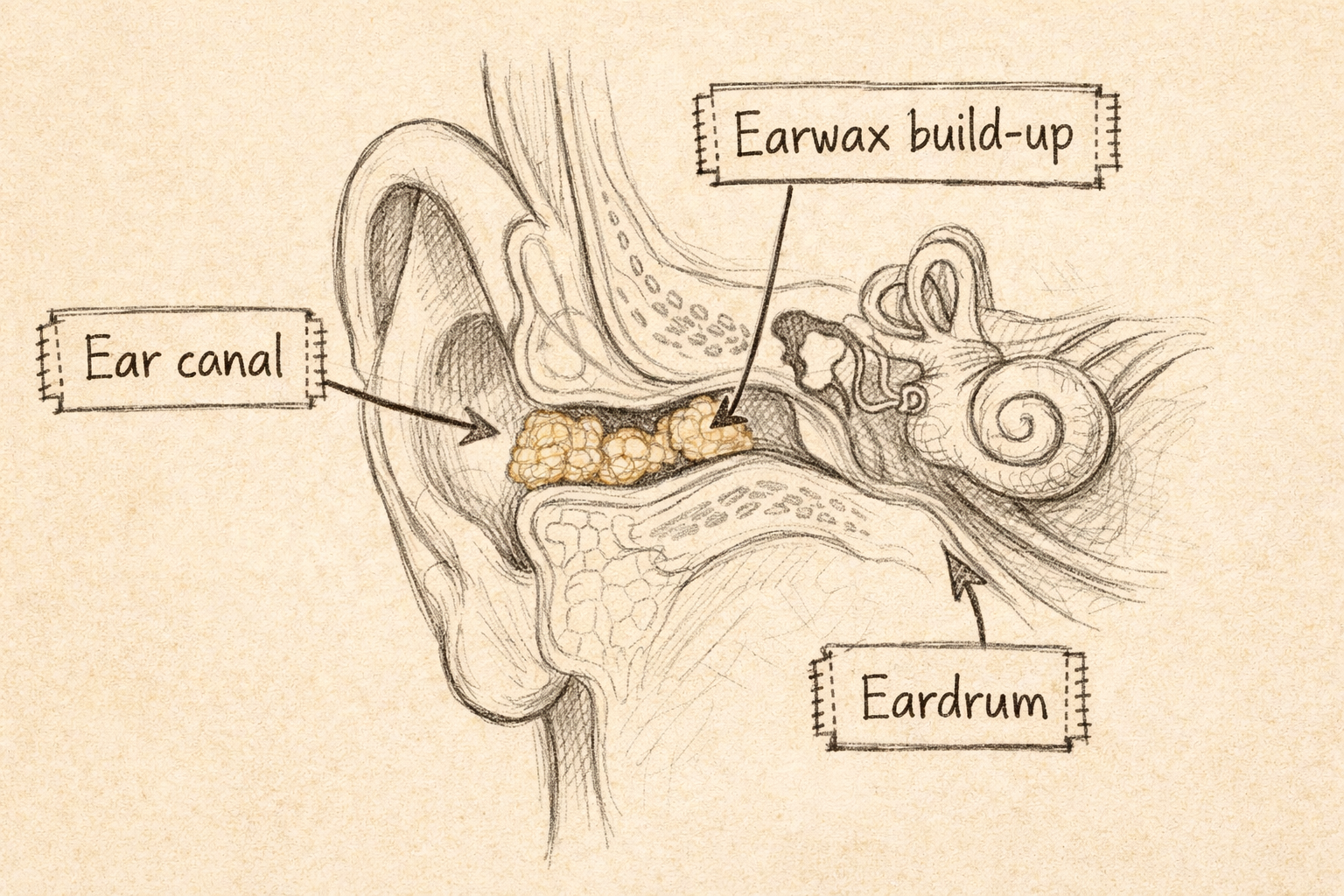
Blocked ears are most commonly caused by earwax build-up. Earwax (cerumen) is a natural substance produced by glands in the ear canal to protect the ears from dust, bacteria, and small particles. Under normal circumstances, earwax slowly moves out of the ear on its own through jaw movement such as talking and chewing.
Problems occur when earwax builds up faster than it can clear naturally, leading to a blockage in the ear canal. This is a very common issue in the UK and one of the main reasons people experience muffled hearing or a feeling of fullness in the ear.
Several everyday factors can increase the risk of blocked ears:
- Cotton bud use
Cotton buds are one of the leading causes of earwax blockage. Rather than removing wax, they often push it deeper into the ear canal, where it becomes compacted and harder to remove safely. - Hearing aids and earplugs
Devices worn in or over the ear can prevent earwax from migrating out naturally. Hearing aid users, in particular, often experience recurring blockages and may require regular professional earwax removal. - Age-related changes
As we get older, earwax tends to become drier and harder, making it less likely to clear on its own. This is why blocked ears are especially common among older adults. - Narrow or curved ear canals
Some people naturally have ear canals that are narrower or more curved, which makes it easier for wax to become trapped and build up over time. - Dry indoor environments
During colder months in the UK, central heating can dry out the air indoors. This can cause earwax to harden and become more difficult to shift naturally, increasing the likelihood of blockage.
In cities such as Birmingham, Coventry, and Leicester, many patients report recurring earwax problems due to a combination of hearing aid use, indoor heating, and reduced air humidity. These factors together make professional earwax removal particularly via home visits a practical and effective solution for long-term ear health.
Why You Shouldn’t Ignore Blocked Ears
Blocked ears are often dismissed as a minor inconvenience, but leaving them untreated can have a significant impact on hearing, comfort, and overall quality of life. In many cases, what starts as a mild blockage caused by earwax build-up can gradually worsen if not addressed properly.

Over time, untreated earwax build-up can lead to:
- Reduced hearing clarity
Earwax can block sound from reaching the eardrum, causing muffled or distorted hearing. This can make conversations difficult, particularly in noisy environments or on the telephone. - Persistent discomfort or pressure
A feeling of fullness, pressure, or “blocked” sensation in the ear is a common symptom. For some people, this discomfort can become constant and distracting. - Tinnitus (ringing in the ears)
Excess earwax can trigger or worsen tinnitus, leading to ringing, buzzing, or humming sounds that are especially noticeable in quiet settings. - Balance problems or dizziness
Because the ear plays an important role in balance, significant earwax blockage can sometimes contribute to feelings of unsteadiness or mild dizziness. - Interference with hearing aid performance
For hearing aid users, earwax build-up is a frequent cause of reduced device performance. Wax can block sound output, cause feedback whistling, or lead to repeated breakdowns.
In the UK, many people attempt DIY earwax removal using cotton buds, ear candles, or over-the-counter kits. Unfortunately, these methods often push wax deeper into the ear canal, making the blockage worse and increasing the risk of irritation or injury to the ear.
Professional home earwax removal using microsuction ensures that the ear canal is cleared safely, precisely, and completely. By addressing blocked ears early, patients can restore hearing clarity, reduce discomfort, and avoid complications that may develop if earwax is left untreated.
Professional Home Earwax Removal – How It Works
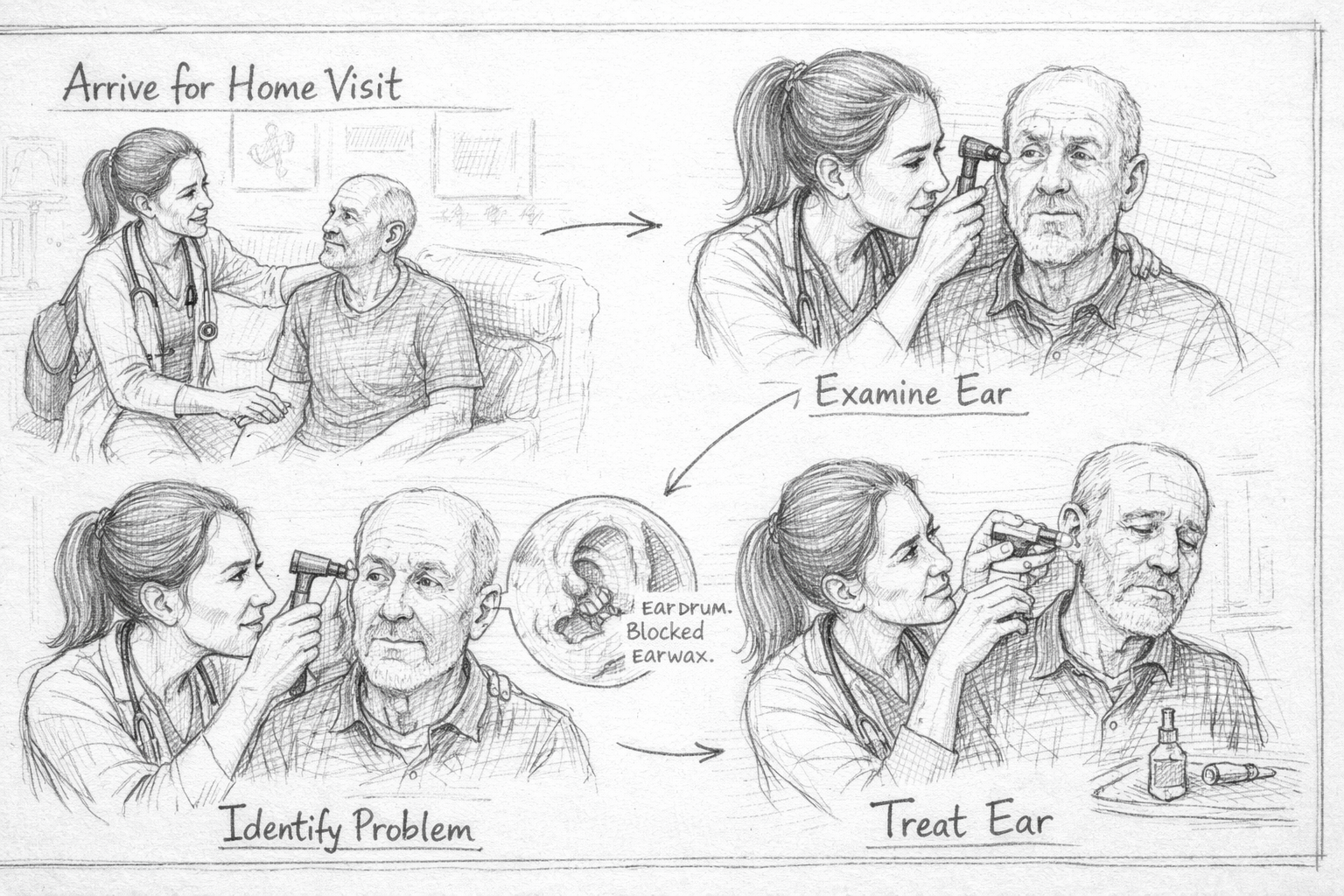
Professional home earwax removal offers the same clinical standard of care you would expect in a specialist clinic — delivered in the comfort and familiarity of your own home. This service is particularly valued across the Midlands by elderly patients, people with mobility challenges, and anyone who finds clinic visits difficult or stressful.
A qualified hearing care professional visits your home at an agreed time, bringing all the necessary specialist equipment to carry out safe and effective earwax removal. Appointments are unhurried and conducted in a calm, respectful manner, allowing plenty of time to explain each step and answer any questions.
What Happens During a Home Visit Appointment?
A typical home earwax removal appointment includes the following steps:
- Initial ear examination using an otoscope
The practitioner carefully examines the ear canal to assess ear health and confirm whether earwax build-up is causing the blockage. - Assessment of earwax build-up
The type, amount, and position of earwax are identified. This helps determine the safest and most effective approach for removal. - Safe earwax removal using microsuction
Microsuction is used to gently and precisely remove earwax under direct visual guidance. This method does not involve water and is widely regarded as the safest form of earwax removal in the UK. - Final ear health check
Once the wax has been removed, the ears are re-examined to ensure the ear canal is clear and healthy. - Clear aftercare advice
Patients receive practical advice on ear care, including how to reduce the risk of future blockages and when to consider follow-up checks.
A Calm and Reassuring Experience at Home
The entire process is designed to be comfortable, dignified, and reassuring, particularly for elderly patients or those who feel anxious in medical settings. Being treated at home allows patients to relax in familiar surroundings, often leading to a smoother and more positive experience.
For many people across the Midlands, home visit earwax removal using microsuction provides a safe, effective solution without the need to travel restoring hearing clarity with minimal disruption to daily life.
Why Microsuction Is the Safest Method
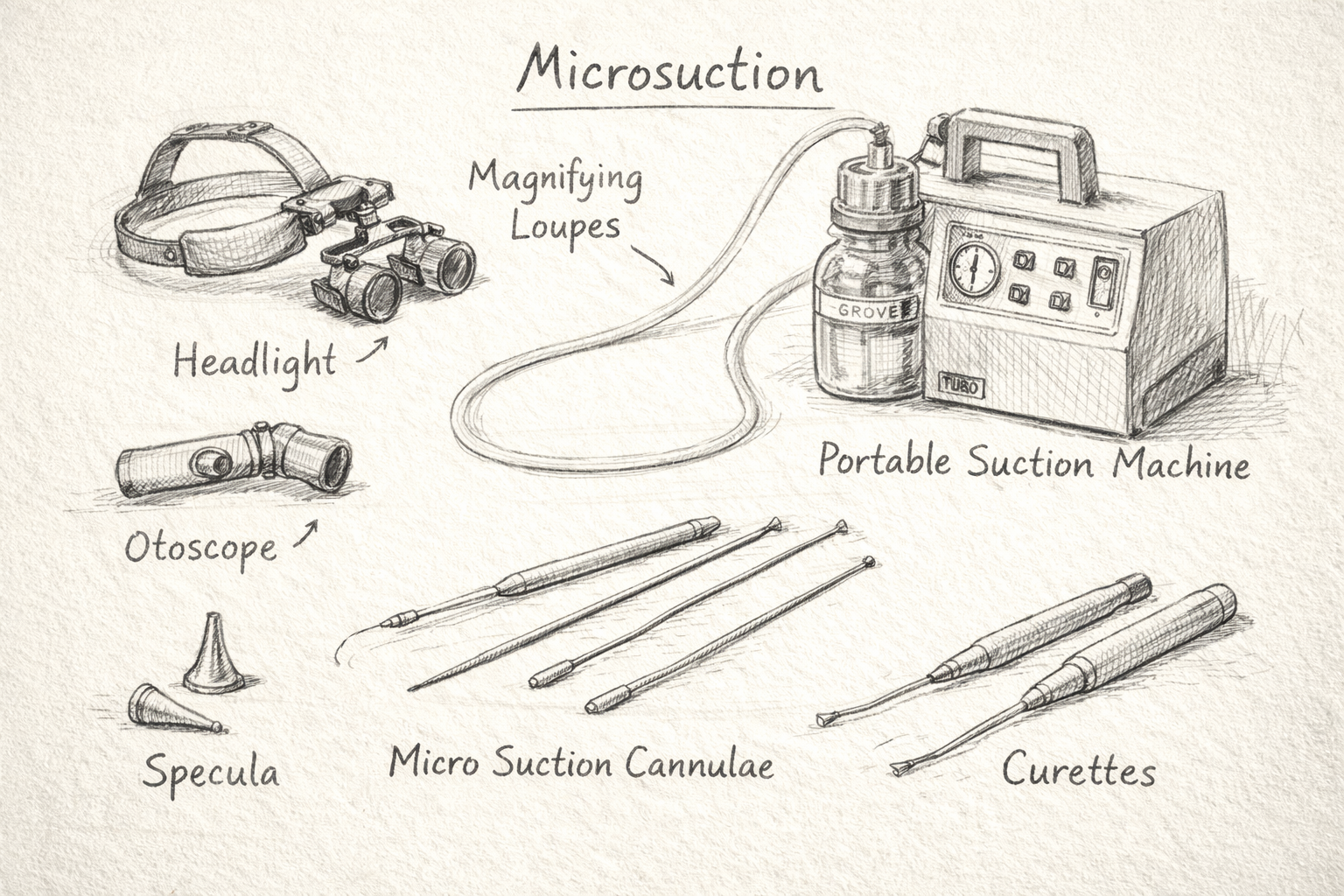
Microsuction earwax removal is widely recognised as the gold standard method for earwax removal in the UK, and is now the preferred technique used by hearing care professionals and audiologists. It has largely replaced older methods such as ear syringing due to its improved safety, accuracy, and comfort.
Unlike water-based techniques, microsuction uses a gentle suction device under direct visual guidance, allowing the practitioner to see inside the ear canal throughout the entire procedure. This level of control significantly reduces risk and improves outcomes for patients.
Key Advantages of Microsuction Earwax Removal
- No water pressure
Microsuction does not introduce water into the ear canal, removing the risk of water-related complications such as dizziness, infection, or trapped moisture. - Lower risk of infection
Because the procedure is dry and controlled, there is a reduced chance of irritation or infection compared to traditional syringing. - Precise and controlled wax removal
The practitioner can target only the earwax that needs to be removed, avoiding unnecessary contact with the ear canal or eardrum. - Immediate improvement in hearing
Many patients notice a clear improvement in hearing as soon as the blockage is removed, often during the appointment itself. - Suitable for most hearing aid users
Hearing aid wearers frequently experience earwax build-up. Microsuction is safe for use alongside hearing aids and helps restore device performance.
For patients who have previously experienced discomfort, dizziness, or incomplete results with older earwax removal methods, microsuction is often described as a far more comfortable and reassuring experience. Its precision and safety make it particularly well suited for elderly patients and those seeking professional earwax removal at home.
Who Benefits Most from Home Visit Earwax Removal?

Home visit earwax removal is designed to make professional hearing care accessible, comfortable, and stress-free. While anyone can benefit from treatment at home, this service is particularly valuable for certain groups of patients across the Midlands.
Home visits are especially well suited for:
- Elderly patients
As we age, earwax often becomes drier and more compact, increasing the likelihood of blockages. Travelling to clinics can also be tiring or challenging for older adults, making home earwax removal a safer and more convenient option. - Individuals with mobility difficulties
Patients with limited mobility, chronic conditions, or recovery needs may find it difficult to attend clinic appointments. Home visits remove the physical strain and logistical challenges of travel. - Care home residents
Home visit earwax removal is ideal for residents in care homes or assisted living settings. Treatment can be provided in a familiar environment, with carers or family members present if needed. - People without easy access to clinics
Patients living in smaller towns or rural villages across the Midlands may not have local audiology clinics nearby. A mobile earwax removal service ensures access to professional care regardless of location. - Busy households and working families
Home appointments offer flexibility for those balancing work, caring responsibilities, or limited free time, avoiding the need to rearrange schedules for clinic visits. - Patients who feel anxious in medical settings
Some people feel uneasy in clinical environments. Being treated at home allows patients to remain calm and relaxed, which often leads to a smoother and more positive experience.
Receiving professional earwax removal at home helps patients feel supported and comfortable throughout the appointment. For many, this relaxed setting leads to better communication, reduced anxiety, and greater confidence in the care they receive making home visits an increasingly popular choice across the Midlands.
Areas Covered Across the Midlands
Hazelwood HearCare provides home visit earwax removal across the Midlands, covering both urban and rural areas.
Cities
- Birmingham
- Coventry
- Leicester
- Nottingham
- Wolverhampton
- Derby
Towns & Villages
- Solihull
- Rugby
- Nuneaton
- Hinckley
- Loughborough
- Kenilworth
- Leamington Spa
- Balsall Common
If you live anywhere in the West Midlands or East Midlands, home visits are usually available.
Home Visit vs Clinic Earwax Removal
Many patients prefer home visits for practical reasons:
Home VisitClinicNo travel requiredTravel and parking neededFamiliar surroundingsUnfamiliar environmentFlexible schedulingFixed appointment slotsIdeal for elderlyOften less accessible
For those with limited mobility, home visits provide dignity and convenience.
Earwax Removal for Elderly Patients & Care Homes
We regularly support:
- Independent elderly patients
- Assisted living facilities
- Residential care homes
Appointments are carried out gently, with patience and clear communication. Family members or carers are welcome to be present.
How Often Should Earwax Be Removed?
There is no fixed schedule. Some people never experience issues, while others benefit from checks every 6–12 months, particularly hearing aid users.
Regular monitoring helps prevent sudden blockages and hearing disruption.
FAQs
What causes blocked ears most often?
Earwax build-up, hearing aid use, and cotton buds are common causes.
Is home earwax removal safe?
Yes, when performed by a qualified professional using microsuction.
Does microsuction hurt?
Most patients find it comfortable and pain-free.
How long does treatment take?
Typically 30–45 minutes.
Do you cover my area in the Midlands?
Home visits are available across cities, towns, and villages in the region.
Booking Professional Home Earwax Removal Across the Midlands
If you’re experiencing blocked ears and want a safe, convenient solution, professional home earwax removal offers peace of mind. With microsuction and experienced care, hearing can often be restored immediately.
Conclusion
Blocked ears are common, but living with reduced hearing doesn’t have to be. With professional home earwax removal across the Midlands, expert care is accessible, safe, and comfortable whether you live in a busy city or a quiet village.
If hearing feels blocked, help can come directly to your door.
Earwax symptoms and sensible next steps
Symptoms can have more than one cause. This table helps readers distinguish routine earwax concerns from changes that need medical advice.
| What you notice | What it may mean | A sensible next step |
|---|---|---|
| Gradually muffled or blocked hearing | Earwax may be contributing | Arrange an ear examination before choosing treatment |
| Hearing aids sound quieter or whistle | Wax, fit or device maintenance may be involved | Check the device and arrange an ear check if it continues |
| Sudden loss, severe pain, discharge or significant dizziness | This is not a routine wax-removal presentation | Seek prompt medical advice |
Need your ears checked at home?
See how Hazelwood examines both ears and provides microsuction where suitable.
View home earwax removal → Earwax Removal
 Earwax Removal
 Earwax Removal