

In brief
Understand how ear examinations, hearing assessments and hearing-aid support fit together, and which questions to ask when considering hearing care.
Key takeaways
- A home hearing assessment considers the listening situations that matter to you.
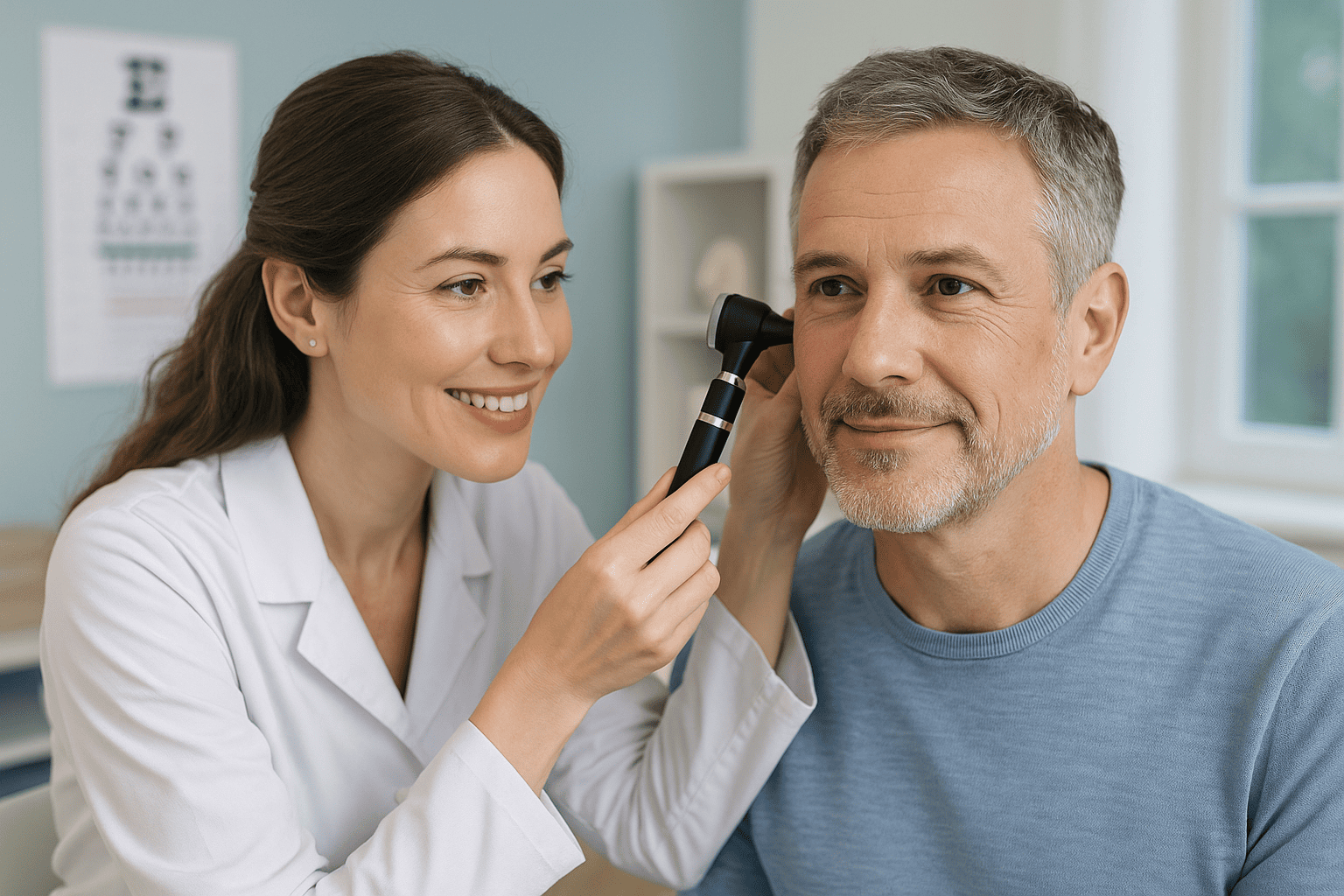
- Your ears are checked before the hearing tests begin.
- Results and practical next steps are explained during the appointment.
How this guide answers your question
Use these points to move from the concern you noticed to a sensible next step.
Understanding Hearing Care: Ear Checks, Hearing Tests and SupportHearing health is essential to living a full, connected life. Whether you’re managing hearing loss or caring for hearing aids, maintaining good hearing care at home is critical. With the right knowledge and habits, you can protect your hearing, maximize the lifespan of your devices, and improve communication with loved ones.
At Hazelwood Hearcare, we understand the challenges and importance of at-home hearing care. This guide will walk you through effective strategies to care for your hearing health and devices right in the comfort of your home.
Why At-Home Hearing Care Matters

Hearing loss affects millions worldwide and often impacts quality of life, mental health, and social connections. While hearing aids and assistive technologies provide great support, ongoing care and maintenance are crucial for their effectiveness.
Proper at-home hearing care:
- Prevents further hearing deterioration
- Enhances hearing aid performance and longevity
- Improves communication with family and friends
- Encourages proactive management of hearing health
With regular care and simple habits, you can keep your hearing aids working optimally and maintain your hearing health.
Essential Steps for Caring for Your Hearing Aids at Home
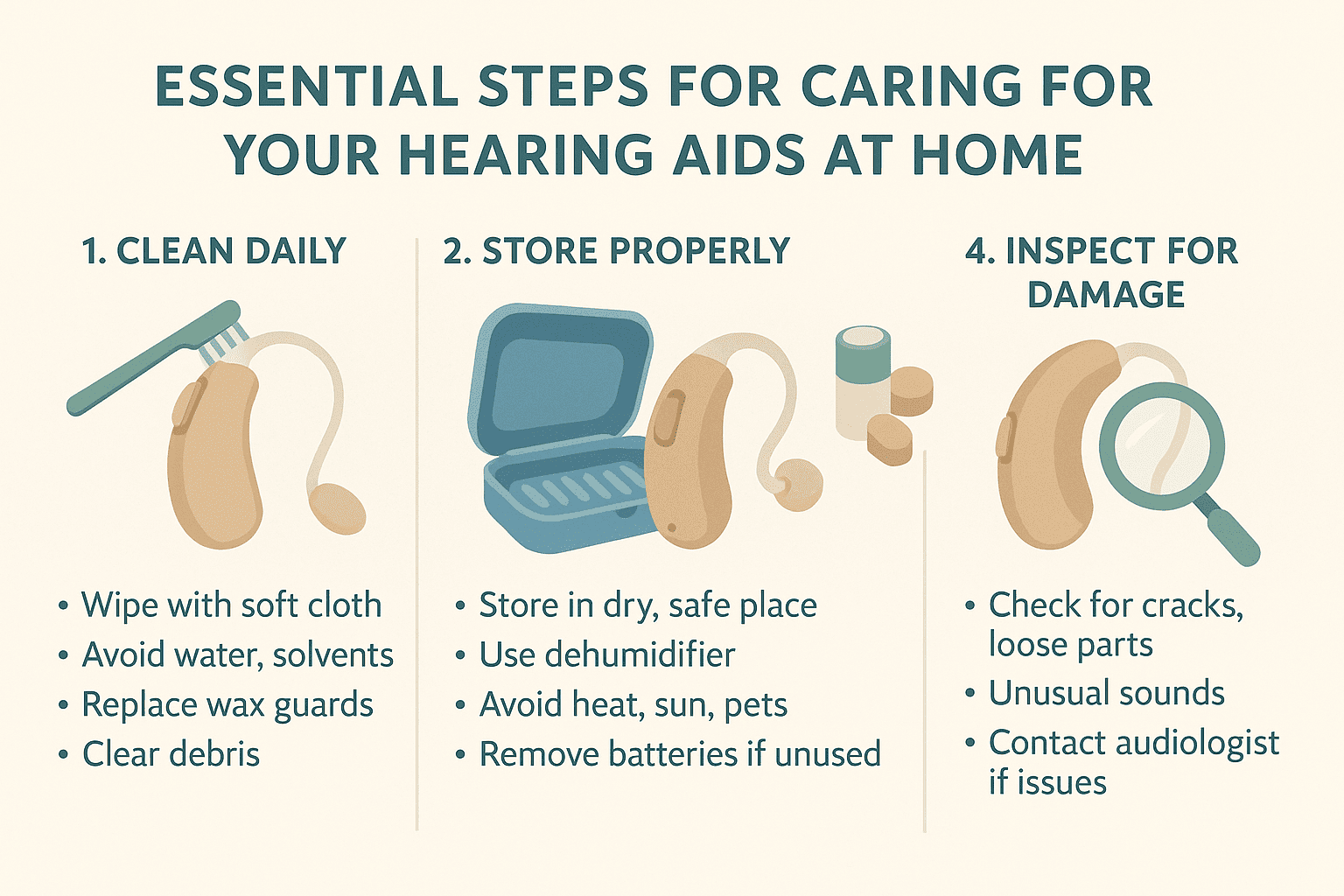
Hearing aids are sophisticated devices that require daily care and attention. Following best practices will ensure your aids continue to perform well and last longer.
1. Clean Your Hearing Aids Daily
Earwax and moisture buildup are common causes of hearing aid malfunctions. Clean your devices every day using a soft, dry cloth or a specialized cleaning tool.
- Avoid using water, alcohol, or cleaning solvents on your hearing aids.
- Remove wax guards or filters if your model has them, and replace as recommended.
- Check for debris in microphones and receivers, and gently clear blockages.
2. Store Properly When Not in Use
Always store hearing aids in a dry, safe place when you’re not wearing them.
- Use a hearing aid drying kit or dehumidifier overnight to remove moisture.
- Keep devices away from direct sunlight, heat, and pets.
- Remove batteries if you won’t be using your aids for an extended period.
3. Change Batteries Regularly
Battery life varies, but most hearing aid batteries last between 3-10 days.
- Replace batteries promptly to avoid disruptions in hearing aid function.
- Keep spare batteries handy in a cool, dry place.
- Use rechargeable models if preferred, but follow charging instructions carefully.
4. Inspect Devices for Damage
Regularly examine your hearing aids for cracks, loose parts, or unusual sounds.
- Contact your audiologist immediately if you notice damage or decreased performance.
- Avoid DIY repairs that could worsen problems.
Maintaining Healthy Hearing Habits at Home

Beyond caring for your hearing aids, practicing healthy hearing habits can support your overall hearing wellness.
1. Protect Your Ears from Loud Noise
Exposure to loud environments can cause permanent hearing damage.
- Use earplugs or noise-canceling headphones in noisy settings.
- Limit exposure to loud music, machinery, or events.
- Take breaks in quiet areas to give your ears rest.
2. Keep Your Ears Dry and Clean
Moisture in the ear canal can lead to infections and hearing issues.
- Dry ears gently after swimming or showering.
- Avoid inserting cotton swabs or sharp objects into your ear canal.
- Consult a professional if you experience earwax buildup or discomfort.
3. Schedule Regular Hearing Check-Ups
Even if you wear hearing aids, ongoing evaluations are key.
- Annual hearing tests help track changes and adjust devices as needed.
- Early detection of hearing problems allows for timely intervention.
Supporting Children’s Hearing Health at Home
Hearing care is especially important for children, as hearing impacts speech, language development, and learning.
- Ensure children’s hearing aids are properly fitted and cleaned daily.
- Encourage consistent use during waking hours.
- Work with audiologists and educators for tailored support plans.
- Create a quiet, distraction-free environment to promote listening skills.
- Educate family members about communication strategies to support children with hearing loss.
Tips for Effective Communication with Hearing Loss
Living with hearing loss affects not just the individual but also their family and friends. Improving communication at home makes daily life easier and reduces frustration.
1. Face the Person Clearly
Speak directly and face your loved one to enable lip-reading and facial expression cues.
2. Speak Clearly and at a Moderate Pace
Avoid shouting but speak clearly and at a steady pace. Pause between sentences to allow processing.
3. Minimize Background Noise
Turn off televisions or radios during conversations. Close windows or doors to reduce external noise.
4. Use Visual Aids
Gestures, written notes, or text messages can complement spoken words.
5. Be Patient and Supportive
Listening takes effort with hearing loss. Encourage questions and repeat information when necessary.
How Hazelwood Hearcare Supports Your At-Home Hearing Care
At Hazelwood Hearcare, we’re dedicated to helping you maintain optimal hearing health with convenient and compassionate services.
Home Ear Wax Removal Service
Wax buildup is a leading cause of hearing issues. Our professional home ear wax removal ensures safe, hygienic care without leaving your house.
Hearing Aid Maintenance & Repair
We offer expert maintenance and repair services, helping you avoid costly replacements.
Personalized Hearing Assessments
Our audiologists provide thorough hearing assessments and device fittings tailored to your needs.
Ongoing Support and Advice
From device guidance to hearing health tips, we’re here to support you every step of the way.
Investing in Your Hearing Health is Investing in Your Life
Hearing loss doesn’t have to limit your lifestyle or connections. With proper at-home care and support from Hazelwood Hearcare, you can maintain healthy hearing and enjoy clear communication.
Ready for expert hearing care at home?
Contact Hazelwood Hearcare today to schedule a consultation or learn more about our home ear wax removal and hearing aid services.
Sources & Further Reading:
What a home hearing assessment can clarify
A hearing assessment connects everyday listening difficulties with measured results and practical next steps.
| Part of the visit | What it explores | Why it matters |
|---|---|---|
| Conversation and history | Changes, priorities and listening situations | Keeps the assessment relevant to everyday life |
| Ear examination | Visible wax and the condition of the outer ear | Helps identify whether another step is needed first |
| Appropriate hearing tests | Responses to sounds across useful frequencies | Provides results that can be explained and discussed |
Would a hearing assessment help?
Explore private hearing tests carried out at home, with results explained clearly.
Arrange a home hearing test → Health Conditions
 Hearing Test
 Hearing Test