

In brief
Earwax is a natural part of your body’s defence system but when it builds up, it can
Key takeaways
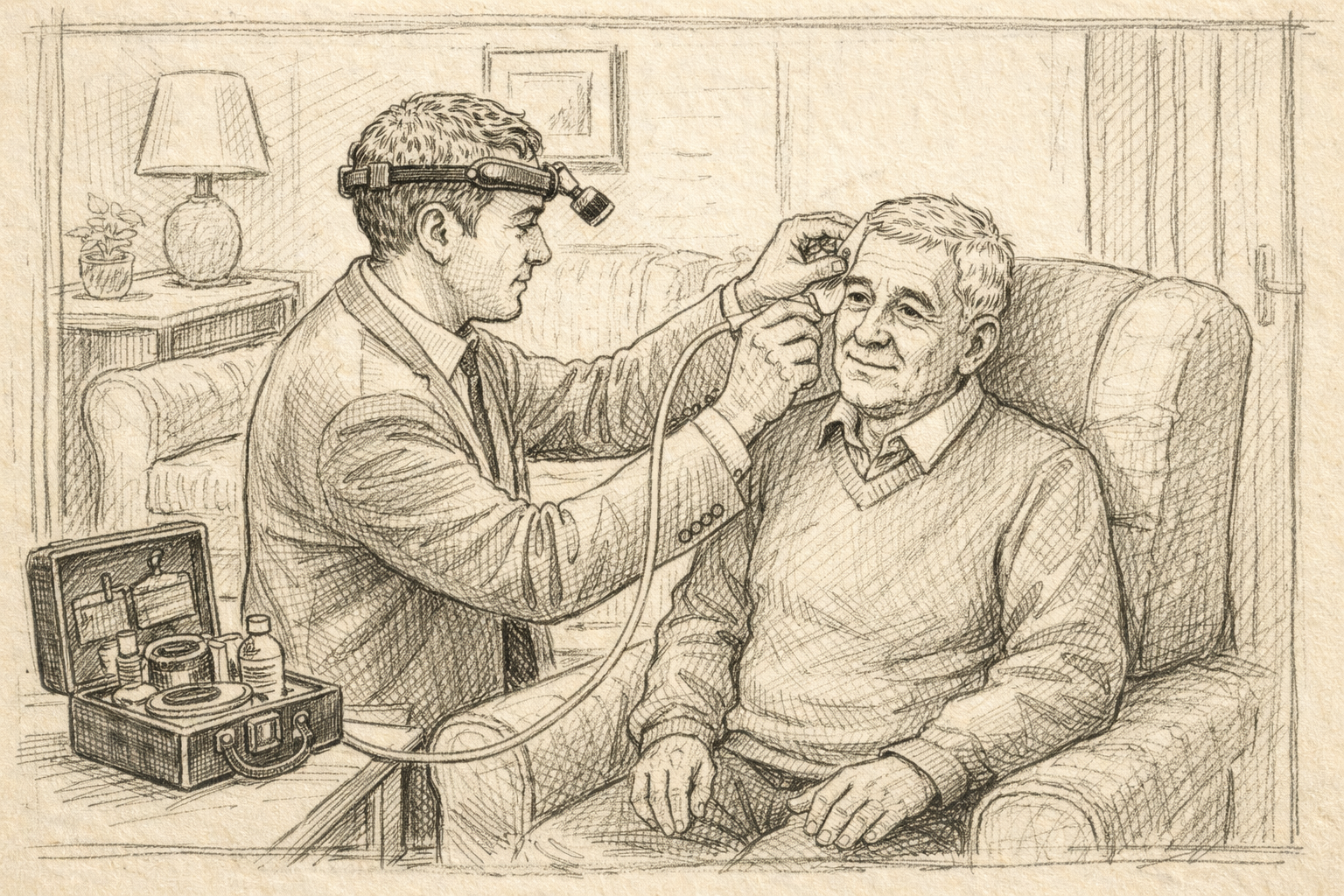
- A home earwax visit starts with an examination of both ears.
- Microsuction is provided only when it is suitable for the person and the ear.
- Sudden hearing loss, severe pain, discharge or significant dizziness need medical advice.
How this guide answers your question
Use these points to move from the concern you noticed to a sensible next step.
Does Earwax Removal Hurt? The Truth About Microsuction and Safe TreatmentsEarwax is a natural part of your body’s defence system but when it builds up, it can do more harm than good. If you’ve ever asked, “Does earwax removal hurt?” or “Is microsuction safe?”, you’re not alone. Many people delay getting help because they’re unsure what to expect.
Whether you’re dealing with hearing loss, discomfort, or that frustrating “blocked ear” feeling, this guide is here to help you understand the process, debunk myths, and feel confident about taking the next step toward better ear health.
What Is Earwax and Why Do We Need It?
Earwax also known by its medical name cerumen is produced by glands in your ear canal. It may seem unpleasant, but it serves a valuable purpose:
- Traps dust and debris, preventing them from reaching your eardrum
- Has antibacterial properties to reduce the risk of ear infections
- Moisturises the ear canal, preventing dryness and itching
In most cases, earwax naturally moves out of the ear through daily jaw movements like talking and chewing. But when this natural process is disrupted, a buildup can occur and that’s when issues arise.
What Causes Earwax Buildup?
Some people are more prone to earwax impaction than others. Here are a few common reasons why wax might accumulate:
- Overuse of cotton buds or ear swabs, which push wax deeper into the canal
- Narrow or curvy ear canals, making it harder for wax to escape
- Wearing hearing aids or earplugs regularly, which can block wax movement
- Skin conditions like eczema or psoriasis that affect the ear canal
- Ageing, which often leads to drier, harder wax that's more difficult to remove
Wax buildup isn’t always noticeable at first, but if left untreated, it can affect your hearing, balance, and comfort.
Signs You Might Need Earwax Removal
How do you know if earwax is the problem? Look out for the following signs:
- Muffled or reduced hearing in one or both ears
- Feeling of fullness or pressure in the ear
- Tinnitus – ringing, buzzing, or humming noises
- Earache or irritation
- Dizziness or unsteadiness
- Discharge or an unusual smell from the ear
If you notice any of these symptoms, it’s a good idea to get your ears professionally examined. Early intervention can save you from long-term discomfort.
Safe Methods for Earwax Removal
Not all earwax removal methods are created equal. At Hazelwood Hearcare, we use safe, evidence-based techniques to clear your ears with minimal discomfort.
✅ Microsuction (Most Recommended)
Microsuction is widely considered the gold standard in earwax removal. Here’s how it works:
- A tiny suction device gently removes the wax
- A microscope or video otoscope provides a magnified view of the ear canal
- No water is used, making it suitable for people with ear infections or perforated eardrums
Why people prefer microsuction:
- Painless and precise
- No mess or moisture
- Immediate improvement in hearing
- Usually completed in 20–30 minutes
Microsuction is especially popular among patients who have had bad experiences with older methods like syringing or home remedies.
Irrigation (Ear Flushing)
Ear irrigation uses a controlled stream of warm water to flush out softened wax. This technique can be helpful for larger blockages but must be carried out carefully.
At Hazelwood Hearcare, we always check the ear beforehand to ensure it’s safe and appropriate for irrigation.
What to Avoid
- Cotton buds: They push wax deeper and can damage the eardrum
- Ear candles: These have been proven unsafe and ineffective by medical experts
- Unregulated suction devices: Often weak, ineffective, and potentially harmful
Stick with trusted professionals and evidence-based techniques for the best results.
Is Earwax Removal Painful?
The short answer is: No, not when done properly.
At Hazelwood Hearcare, we prioritise patient comfort and safety. Most people describe the feeling of microsuction as a slight pulling sensation or a soft tickle. Some say it feels strange but not painful. Others feel instant relief especially if their hearing was significantly blocked.
If your ears are sensitive or inflamed, you might feel minor discomfort, but it’s always manageable and brief. Our trained audiologists take care to ensure your experience is calm, comfortable, and well explained from start to finish.
Why Choose Hazelwood Hearcare for Earwax Removal?
When it comes to your hearing, experience and trust matter. Here’s why thousands of people across the UK choose Hazelwood Hearcare:
✅ Professional, qualified audiologists
✅ Home visit options – we come to you
✅ Microsuction and irrigation specialists
✅ Thousands of five-star reviews
✅ Fast bookings – including same-day availability
✅ Service locations across Coventry, Leamington Spa, Kenilworth, and surrounding areas
Whether you prefer the comfort of your home or a visit to our clinic, we’re here to help.
What Happens During an Appointment?
Here’s what you can expect when you book an earwax removal session with us:
- Initial ear examination using an otoscope or camera
- Professional advice on the best method (microsuction or irrigation)
- Safe removal procedure performed by a qualified specialist
- Post-care tips to help keep your ears healthy
The entire appointment usually takes no more than 30 minutes, and most patients walk out with noticeably improved hearing.
How to Prevent Future Buildup
Once your ears are clear, here are a few tips to avoid wax problems in the future:
- Avoid inserting anything into your ears (including cotton buds)
- Use softening drops only if recommended by a professional
- Schedule regular check-ups if you wear hearing aids or suffer from frequent blockages
- Keep your ears dry and clean after showers or swimming
If you’re prone to buildup, a routine ear check every 6–12 months can help prevent recurring issues.
Your Ears Deserve Expert Care
Earwax buildup can be uncomfortable—but relief is just a quick visit away. At Hazelwood Hearcare, we’re committed to delivering safe, professional, and effective earwax removal, tailored to your needs.
📞 Book Your Earwax Removal Today
Ready for clearer hearing and instant relief?
Hazelwood Hearcare offers expert earwax removal services across the Midlands — in our clinics or at your home.
Or call us at 07436717303 same-day availability and local support.
Earwax symptoms and sensible next steps
Symptoms can have more than one cause. This table helps readers distinguish routine earwax concerns from changes that need medical advice.
| Question | Why it matters | Safer next step |
|---|---|---|
| Is the cause known? | Different ear and hearing problems can feel similar | Start with an examination or assessment |
| Is there relevant ear history? | Surgery, perforation or infection may change what is suitable | Share the history before trying treatment |
| Are symptoms sudden or severe? | Some changes are not routine hearing-care concerns | Seek medical advice promptly |
Need your ears checked at home?
See how Hazelwood examines both ears and provides microsuction where suitable.
View home earwax removal → Earwax Removal
 Earwax Removal
 Earwax Removal