

In brief
Hearing is essential to how we connect with the world through conversations with loved ones,
Key takeaways
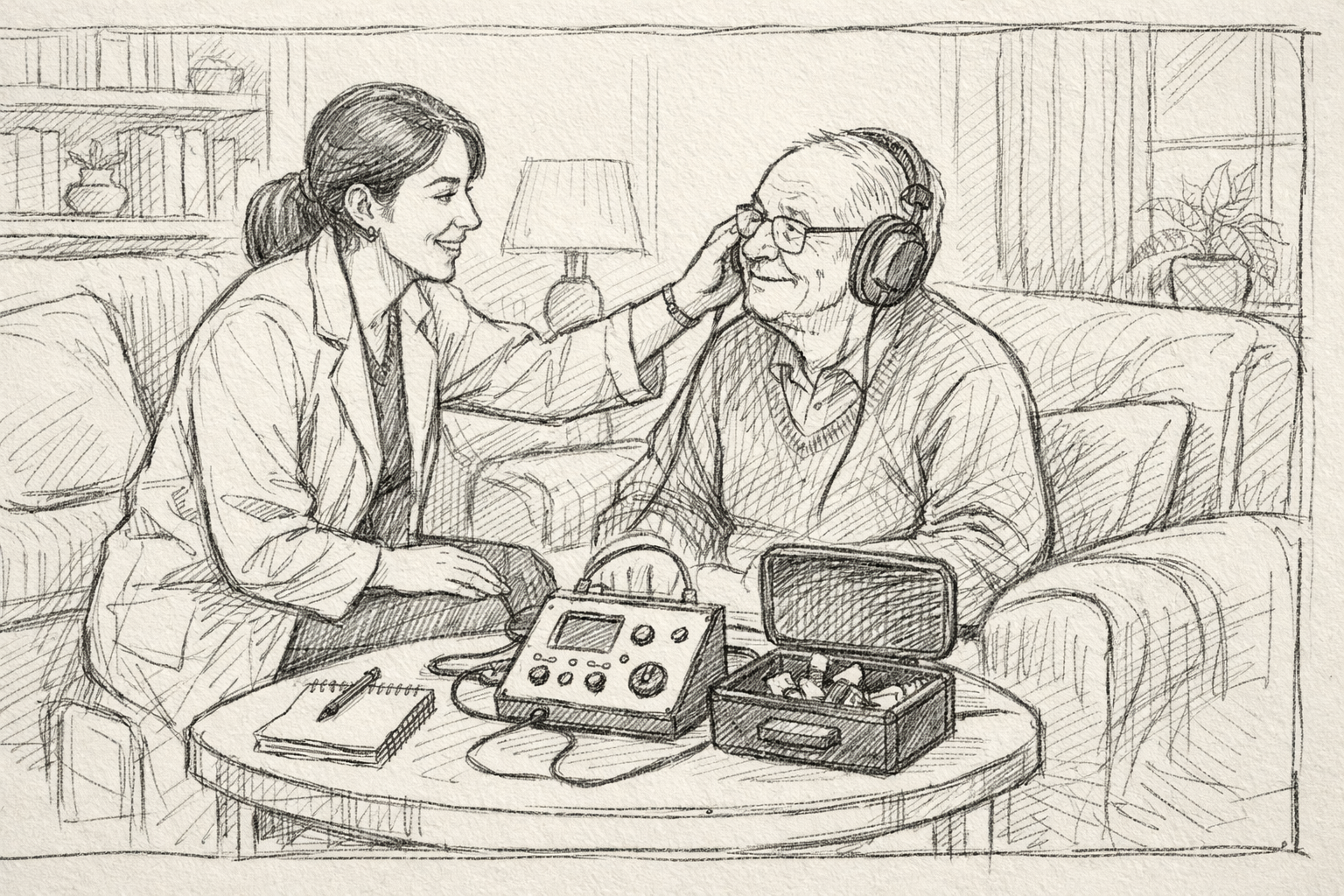
- A home hearing assessment considers the listening situations that matter to you.
- Your ears are checked before the hearing tests begin.
- Results and practical next steps are explained during the appointment.
How this guide answers your question
Use these points to move from the concern you noticed to a sensible next step.
What Does an Unexpected Hearing Test Result Mean?Introduction: Why Hearing Tests Matter

Hearing is essential to how we connect with the world—through conversations with loved ones, engaging in meetings, enjoying music, or simply being aware of our environment. So, when a hearing test doesn’t go as expected, it can naturally raise concerns. But a failed hearing test is not always a reason to panic.
At Hazelwood Hearcare, we understand that the idea of hearing loss can feel overwhelming. That’s why we're here to support you with clarity, care, and expert guidance.
A failed hearing test simply means that your results fall outside the normal range of hearing and further investigation is needed. It doesn’t necessarily confirm permanent hearing loss. Factors such as earwax buildup, temporary ear infections, or fluid in the ear (especially common in children) can all impact the outcome of a hearing test.
The most important step is to follow up with a qualified hearing specialist. Our team will perform a more detailed assessment to identify the cause, explain your results, and discuss treatment options. In many cases, hearing can be improved through simple interventions like earwax removal, medication, or hearing aids when appropriate.
Above all, our goal is to empower you with the information and care you need to make confident decisions about your hearing health. Early action can lead to better outcomes, and we’re here to guide you every step of the way.
Understanding Hearing Tests
Hearing tests evaluate how well your ears pick up sounds at different frequencies and volumes. These are often done during routine check-ups, school screenings, or when someone reports signs of hearing difficulty.

Types of Common Hearing Tests Include:
Pure-Tone Audiometry: Measures your ability to hear tones at different pitches.
Speech Audiometry: Assesses how well you understand speech.
Tympanometry: Evaluates the movement of your eardrum.
Otoacoustic Emissions (OAE): Often used for newborns and children.
Failing a hearing test doesn't always mean you have permanent hearing loss. Sometimes, it can be due to:
Earwax buildup
Temporary infections
Fluid in the ear
Environmental distractions during the test
What It Means to Fail a Hearing Test

When you fail a hearing test, it means your results fell outside the expected range for normal hearing. The test may show difficulty in hearing certain frequencies or understanding speech clearly.
Here’s what it can indicate:
Temporary Hearing Loss: Often due to colds, ear infections, or fluid buildup.
Conductive Hearing Loss: Problems with the outer or middle ear that block sound (often treatable).
Sensorineural Hearing Loss: Damage to the inner ear or auditory nerve (may be permanent).
Mixed Hearing Loss: A combination of both.
Why Children May Fail Hearing Tests

Children often fail hearing screenings during school or routine wellness visits. It's crucial to understand the context:
Inattention or distractions
Nervousness
Temporary issues like ear infections or colds
If a child fails a screening, it doesn’t mean they have long-term hearing loss, but it does warrant a comprehensive evaluation by a professional.
Signs of Hearing Difficulty in Children and Adults

Even if a person passes some tests, subtle signs may still indicate underlying hearing issues:
In Children:
Delayed speech development
Inattentiveness or difficulty following directions
Turning up the volume excessively
Frequently saying “what?” or “huh?”
In Adults:
Muffled sounds
Trouble hearing in noisy environments
Frequently asking others to repeat themselves
Ringing in the ears (tinnitus)
Next Steps After a Failed Hearing Test

Failing a test is just the beginning of finding answers. Here’s what you should do:
1. Get a Full Diagnostic Evaluation
Schedule an in-depth hearing assessment with an audiologist or hearing care provider to determine the cause and severity of the hearing loss.
2. Address Any Medical Issues
If earwax, infections, or fluid is the issue, a general practitioner or ENT specialist can help resolve it.
3. Consider Treatment Options
Depending on your hearing needs, treatment may include:
Hearing aids
Assistive listening devices
Medical treatment (antibiotics, surgery)
Regular monitoring
Preventive Measures and Regular Check-Ups

Hearing health should be monitored regularly, especially for:
Children in key developmental years
Adults over 50
People frequently exposed to loud noise
Those with a family history of hearing loss
Tips to Maintain Good Hearing:
Avoid inserting cotton buds or objects in ears
Use hearing protection in noisy environments
Treat infections promptly
Schedule regular hearing checks
When to Seek Immediate Help

Call a hearing care provider immediately if:
You experience sudden hearing loss
You feel pain, pressure, or discharge from your ears
A child seems disoriented, unresponsive, or is struggling in school
Prompt care can make a major difference in treatment outcomes.
Conclusion: A Failed Test Is a First Step, Not the End
Failing a hearing test can be unsettling, but it’s an important first step toward better hearing and a better quality of life. With the right follow-up and professional guidance, most hearing issues can be managed effectively.
At Hazelwood Hearcare, we make hearing care accessible, personal, and supportive. Whether it's your child, yourself, or a loved one—we're here to help every step of the way.
For appointment information rather than general guidance, see Arrange a home hearing test. Check current postcode coverage before arranging a visit.
What a home hearing assessment can clarify
A hearing assessment connects everyday listening difficulties with measured results and practical next steps.
| Part of the visit | What it explores | Why it matters |
|---|---|---|
| Conversation and history | Changes, priorities and listening situations | Keeps the assessment relevant to everyday life |
| Ear examination | Visible wax and the condition of the outer ear | Helps identify whether another step is needed first |
| Appropriate hearing tests | Responses to sounds across useful frequencies | Provides results that can be explained and discussed |
Would a hearing assessment help?
Explore private hearing tests carried out at home, with results explained clearly.
Arrange a home hearing test → Hearing Test
 Hearing Test
 Hearing Test