

In brief
Understand conductive and sensorineural hearing loss, treatment options, the role of earwax and when sudden hearing loss needs urgent assessment.
Key takeaways
- A home hearing assessment considers the listening situations that matter to you.
- Your ears are checked before the hearing tests begin.
- Results and practical next steps are explained during the appointment.
How this guide answers your question
Use these points to move from the concern you noticed to a sensible next step.
How to Manage Hearing Loss: Causes, Treatment & Next StepsStruggling to hear? Whether it’s difficulty following conversations or struggling in noisy environments, hearing loss isn't just frustrating it impacts quality of life. The good news? Many forms of hearing loss are treatable or manageable with modern audiology solutions.
If you’re in Leamington Spa, Mount Sorrel, Loughborough, Derby, Matlock, Crick, Rugby, Daventry, or elsewhere in the Midlands, this guide offers a roadmap to understand, address, and improve your hearing.
1. Understanding Hearing Loss
Hearing loss falls into three main types ([turn0search0], [turn0search2], [turn0search12]):
- Conductive: Caused by blockages or problems in the outer/middle ear. Often reversible.
- Sensorineural (SNHL): Damage to inner ear hair cells or auditory nerve usually permanent.
- Mixed: A combination of both types.
More rarely, central hearing loss originates from brain processing issues.
2. Can You Fix Hearing Loss?
Conductive ➜ Often Reversible
- Wax buildup: Simple removal restores hearing
- Ear fluid/infection: Antibiotics or surgery resolve many cases
- Structural issues: Stapedectomy or ossicle repair re-establishes hearing pathways
Sensorineural ➜ Manageable, Not Fully Reversible
– Permanent inner-ear damage.
– Options: hearing aids, cochlear implants, assistive solutions
– Experimental stem-cell, gene, and drug therapies show future promise
Mixed ➜ Combine both treatment approaches
3. Modern Treatment Options
3.1 Clean & Treat the Ear
Home remedies: earwax-softeners, warm-water flush
Medical interventions: microsuction, perforation repair
3.2 Medication & Surgery
- Antibiotics for infections
- Steroids for sudden SNHL
- Surgical repair of ossicles or eardrum
3.3 Hearing Devices & Implants
- Hearing aids: Amplify sound tailored to your loss
- Cochlear implants: Convert sound to nerve signals for severe SNHL
3.4 Rehab & Assistive Technologies
- Assistive listening devices (ALDs) and captions for challenging environments
- Vestibular therapy for balance-related issues
- Communication training and lip-reading strategies
3.5 Emerging & Experimental Therapies
- Gene therapy shows promise restoring hearing in congenital cases
- Drug therapies like dabrafenib offer protective benefits
- Stem-cell research aims to regenerate inner-ear hair cells
4. Step-by-Step Plan to Fix Hearing Loss
Step 1: Recognize the Signs
- Difficulty understanding speech
- High-volume needs, ringing, or dizziness
Step 2: Get Diagnosed
- Audiometry, otoscopic examination
- Imaging (MRI/CT) for unexplained or sudden loss
Step 3: Treat What You Can
- Remove wax, treat infection, or repair physical damage promptly
Step 4: Choose Appropriate Devices
- Hearing aids for SNHL, ALDs in complex environments
- Cochlear or bone implants for deeper loss
Step 5: Rehabilitation & Training
- Auditory-verbal coaching
- Balance therapy (if applicable)
- Lifestyle adjustments and regular check-ups
Step 6: Explore Emerging Options
- Ask about trials for gene or drug therapies
- Stay updated on new regenerative advances
5. Why Early Action Matters
- Better outcomes: Wax removal, infections, and middle-ear issues are highly treatable early on
- Delay leads to social and health impacts, including cognitive decline, isolation or falls
6. Your Midlands Hearing & Balance Care Team
Hazelwood Hearcare offers tailored services across the region:
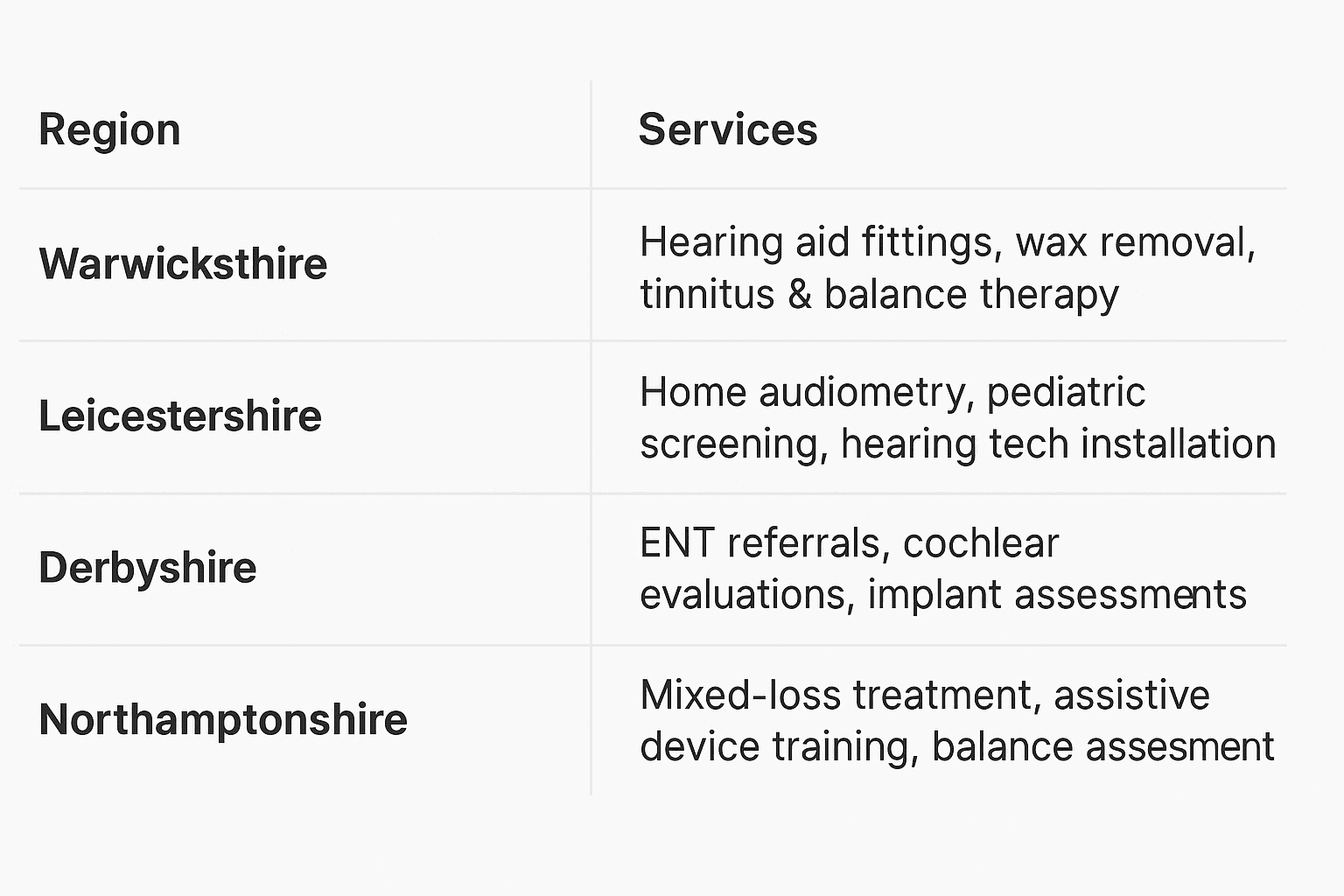
Call Us to discuss your condition or Book Your Appointment at your nearest clinic.
7. Prevention & Lifestyle Improvements
- Use ear protection around loud noise
- Maintain healthy blood pressure and blood sugar
- Avoid ototoxic medications or monitor when necessary
- Keep vaccinations current to prevent infections
- Schedule annual hearing tests, especially over 55
8. FAQs at a Glance
Q: Can hearing loss ever fully reverse?
A: Conductive loss often resolves; SNHL isn’t reversible, but measurable improvements and neural retraining are possible.
Q: Is hearing aids my only option?
A: No cochlear implants, implants for bone conduction, drug/stem therapies are also available depending on type and severity.
Q: Are there cures coming soon?
A: Gene therapy and hair-cell regeneration are promising but still experimental. Clinical trials show encouraging preliminary results.
9. Take the Next Step Today
If you’re noticing hearing difficulties, don’t wait:
📞 Call Hazelwood Hearcare now to schedule a hearing test and consultation.
🗓️ Book an appointment at your closest clinic in Warwickshire, Leicestershire, Derbyshire, or Northamptonshire.
Let us help you reconnect restore clarity, confidence, and quality of life.
10. Final Takeaway
Some hearing loss is treatable like wax blockage or middle-ear dysfunction. Others like SNHL aren't curable yet, but modern hearing tech and therapies offer life-changing improvements. Experimental treatments hold future promise. Regardless, early diagnosis and tailored intervention are key and Hazelwood Hearcare is here to guide your journey to better hearing and living.
For appointment information rather than general guidance, see Arrange a home hearing test. Check current postcode coverage before arranging a visit.
What a home hearing assessment can clarify
A hearing assessment connects everyday listening difficulties with measured results and practical next steps.
| Part of the visit | What it explores | Why it matters |
|---|---|---|
| Conversation and history | Changes, priorities and listening situations | Keeps the assessment relevant to everyday life |
| Ear examination | Visible wax and the condition of the outer ear | Helps identify whether another step is needed first |
| Appropriate hearing tests | Responses to sounds across useful frequencies | Provides results that can be explained and discussed |
Would a hearing assessment help?
Explore private hearing tests carried out at home, with results explained clearly.
Arrange a home hearing test →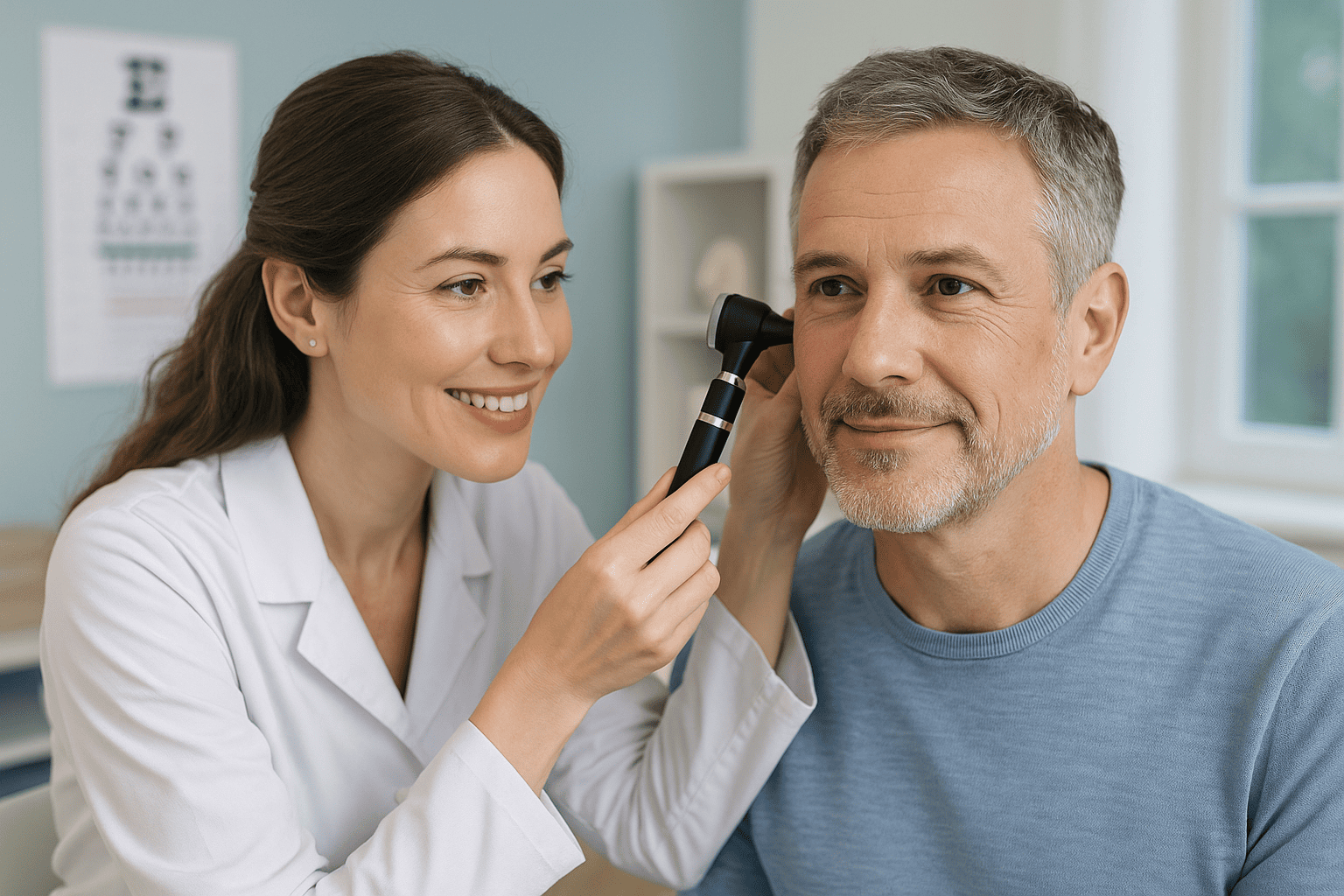 Hearing Test
 Hearing Test
 Hearing Test