

In brief
Experiencing hearing loss can be daunting, and seeking help is the first step toward better hearing health. However, the array of hearing care professionals each with distinct roles and expertise can be confusing
Key takeaways
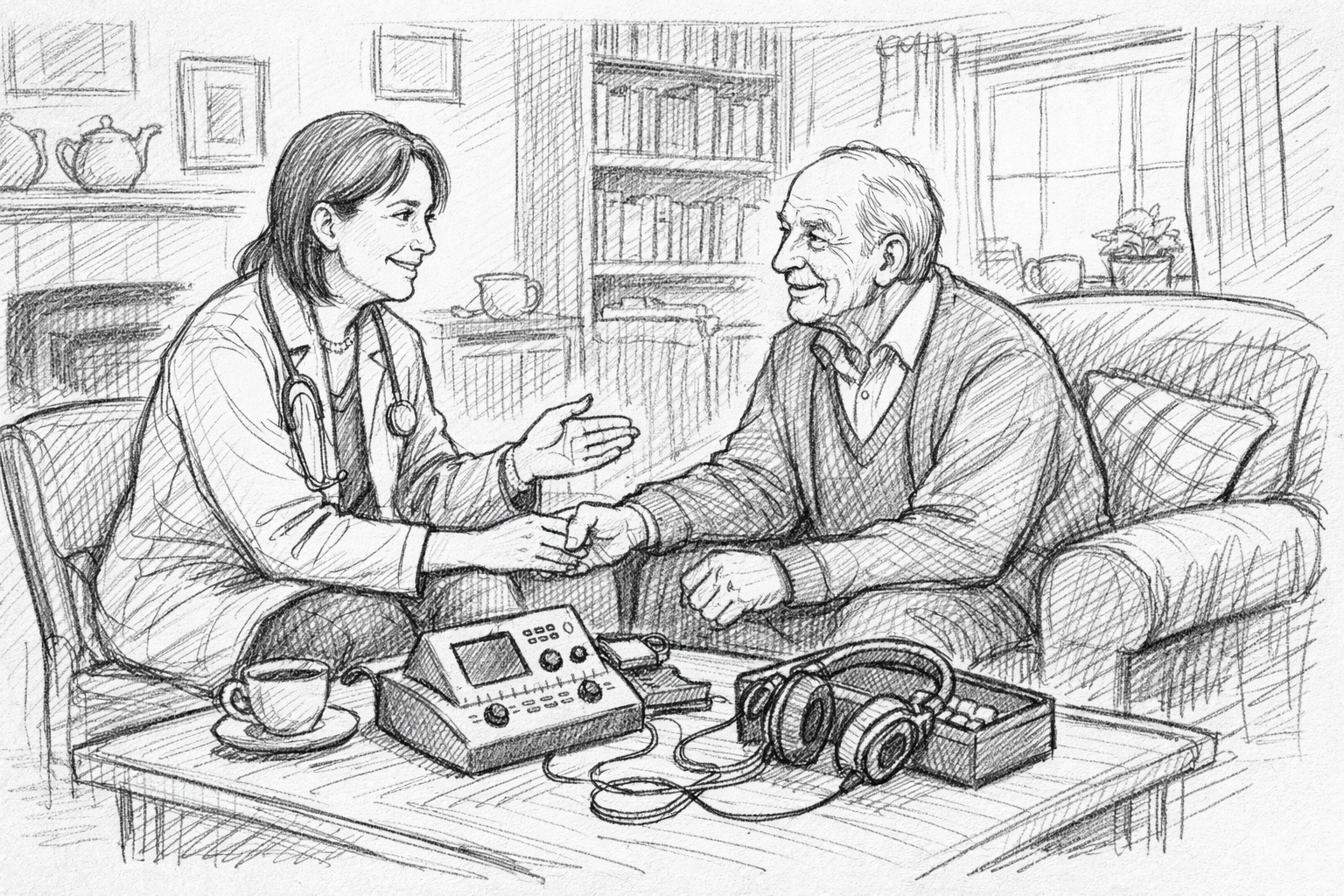
- A home hearing assessment considers the listening situations that matter to you.
- Your ears are checked before the hearing tests begin.
- Results and practical next steps are explained during the appointment.
How this guide answers your question
Use these points to move from the concern you noticed to a sensible next step.
Navigating Hearing Care - Understanding the Different Types of Hearing SpecialistsExperiencing hearing loss can be daunting, and seeking help is the first step toward better hearing health. However, the array of hearing care professionals each with distinct roles and expertise can be confusing. At Hazelwood Hearing Center, we're committed to demystifying this landscape to help you make informed decisions about your hearing care.
Why Understanding Hearing Care Providers Matters
Choosing the right hearing care professional is crucial for effective diagnosis and treatment. Each specialist brings unique qualifications and services, and understanding these differences ensures you receive the most appropriate care for your specific needs.
1. Audiologists: The Comprehensive Hearing Experts

Who They Are:
Audiologists are highly trained healthcare professionals who specialise in the prevention, diagnosis, and treatment of hearing and balance disorders. Most hold a Doctor of Audiology (Au.D.) degree or a master’s degree in audiology, which involves years of academic study, hands-on clinical training, and often additional certifications in specific areas of hearing health. Their expertise covers all ages—from newborn hearing screenings to elderly care—and they work in a variety of settings, including hospitals, private clinics, schools, and research institutions.
Services Provided:
Audiologists are your go-to experts for a comprehensive approach to hearing care, offering:
- In-depth hearing evaluations – using advanced diagnostic tools to assess hearing ability across frequencies and sound environments.
- Diagnosis and management of hearing loss and balance disorders – including vertigo and other inner ear conditions.
- Hearing aid selection, fitting, and programming – ensuring devices are fine-tuned to your unique hearing profile.
- Tinnitus management – creating strategies to reduce the impact of ringing or buzzing in the ears.
- Auditory rehabilitation – helping you adapt to hearing aids or changes in your hearing ability through training and counseling.
- Preventive care – guidance on hearing protection for noisy workplaces, musicians, or frequent concert-goers.
When to See an Audiologist:
Consider booking an appointment with an audiologist if you are:
- Struggling to follow conversations, especially in noisy places.
- Experiencing sudden or gradual hearing loss.
- Noticing ringing, buzzing, or hissing sounds in your ears.
- Feeling dizzy, unsteady, or experiencing frequent balance problems.
- Interested in upgrading your hearing aids or exploring new hearing technology.
Why They’re Important:
Audiologists don’t just focus on your hearing they look at your entire auditory health, considering factors such as lifestyle, medical history, and personal preferences. This holistic approach ensures you get tailored solutions that improve not only your hearing but also your confidence, communication, and quality of life.
2. Hearing Instrument Specialists: Focused on Hearing Aids

Who They Are:
Hearing Instrument Specialists (HIS), also known as hearing aid dispensers, are trained professionals who specialize in fitting and maintaining hearing aids. Their education typically includes specialized training programs and state licensure.
Services Provided:
- Conducting hearing tests to determine hearing aid candidacy
- Selecting and fitting appropriate hearing aids
- Educating patients on hearing aid use and maintenance
- Providing follow-up care and adjustments
Limitations:
While HIS professionals are adept at managing hearing aids, they do not diagnose medical conditions related to hearing loss. If your hearing issues stem from medical conditions, an audiologist or ENT specialist may be more appropriate.
When to See a Hearing Instrument Specialist:
If you've already been diagnosed with hearing loss and are seeking assistance with hearing aids, a HIS can guide you through the selection and fitting process.
3. Otolaryngologists (ENTs): Medical and Surgical Specialists

Who They Are:
Otolaryngologists, commonly known as ENT (Ear, Nose, and Throat) doctors, are medical physicians specializing in disorders of the ear, nose, throat, and related structures. They have completed medical school and specialized residency training.
Services Provided:
- Medical and surgical treatment of ear disorders
- Management of chronic ear infections, hearing loss, and balance disorders
- Surgical interventions like cochlear implants
- Treatment of tumors and structural abnormalities
When to See an ENT Specialist:
If your hearing loss is accompanied by pain, discharge, or other medical symptoms, or if you have a history of chronic ear infections or structural issues, an ENT can provide medical or surgical interventions as needed.
4. Primary Care Providers: The First Point of Contact

Who They Are:
Primary care providers (PCPs), including family physicians and internists, are often the first healthcare professionals patients consult. They can assess general health and refer patients to specialists when necessary.
Services Provided:
- Initial evaluation of hearing concerns
- Management of general health conditions affecting hearing
- Referrals to audiologists or ENT specialists
When to See a Primary Care Provider:
If you're unsure about your hearing issues or need a referral, starting with your PCP can be a practical first step.
5. Educational Audiologists: Supporting Students with Hearing Loss

Who They Are:
Educational audiologists work within school systems to support students with hearing impairments. They collaborate with educators and parents to ensure students have access to necessary accommodations.
Services Provided:
- Assessing students' hearing needs in educational settings
- Recommending and managing assistive listening devices
- Developing individualized education plans (IEPs)
- Training school staff on hearing loss accommodations
When to Consult an Educational Audiologist:
If your child has hearing loss affecting their educational experience, an educational audiologist can play a crucial role in their academic success.
Choosing the Right Hearing Care Professional
Selecting the appropriate specialist depends on various factors, including the nature and severity of your hearing issues, medical history, and personal preferences. Here's a quick guide:
- Audiologist: For comprehensive hearing evaluations, diagnosis, and non-surgical treatment options.
- Hearing Instrument Specialist: For hearing aid selection, fitting, and maintenance.
- ENT Specialist: For medical or surgical treatment of ear-related conditions.
- Primary Care Provider: For initial assessments and referrals.
- Educational Audiologist: For support within educational settings.
Hazelwood Hearing Center: Your Partner in Hearing Health
At Hazelwood Hearing Center, we understand that navigating hearing loss can be overwhelming. Our team of experienced audiologists and hearing care professionals is dedicated to providing personalized care tailored to your unique needs.
Our Services Include:
- Comprehensive hearing evaluations
- Customized hearing aid fittings
- Tinnitus management
- Balance assessments
- Ongoing support and counseling
We believe in empowering our patients through education and compassionate care, ensuring you feel confident and supported throughout your hearing health journey.
Conclusion
Understanding the roles of various hearing care providers is essential in making informed decisions about your hearing health. Whether you're experiencing mild hearing difficulties or more complex issues, the right professional can make a significant difference in your quality of life.
If you have concerns about your hearing or need guidance on the next steps, don't hesitate to contact Hazelwood Hearing Center. Our team is here to support you every step of the way.
For appointment information rather than general guidance, see Arrange a home hearing test. Check current postcode coverage before arranging a visit.
What a home hearing assessment can clarify
A hearing assessment connects everyday listening difficulties with measured results and practical next steps.
| Part of the visit | What it explores | Why it matters |
|---|---|---|
| Conversation and history | Changes, priorities and listening situations | Keeps the assessment relevant to everyday life |
| Ear examination | Visible wax and the condition of the outer ear | Helps identify whether another step is needed first |
| Appropriate hearing tests | Responses to sounds across useful frequencies | Provides results that can be explained and discussed |
Would a hearing assessment help?
Explore private hearing tests carried out at home, with results explained clearly.
Arrange a home hearing test → Hearing Test
 Hearing Test
 Hearing Test