
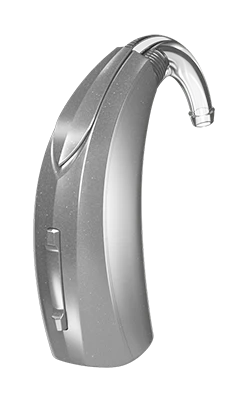
Behind-the-ear (BTE)
Sits behind your ear and sends sound through a tube into an earmould. Larger controls can be easier to handle.
Position: Behind the earCompare six hearing aid styles, how they fit and the practical differences in handling, charging and features. The right choice starts with your hearing results.
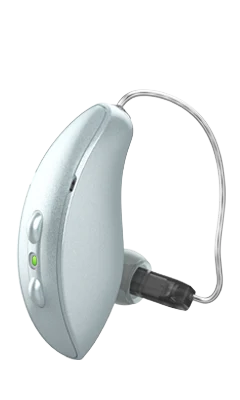
Hearing aids are grouped by where they sit: behind the ear, in the outer ear or within the ear canal. The style affects visibility, handling and the space available for controls and features.
There is no single best style for everyone. Your hearing test, ear shape, dexterity and everyday listening needs help determine which options fit you.
Sits behind your ear and sends sound through a tube into an earmould. Larger controls can be easier to handle.
Position: Behind the earA small case behind your ear connects to a speaker in the ear canal. The fitting and receiver are selected for your hearing.
Position: Behind the ear + canal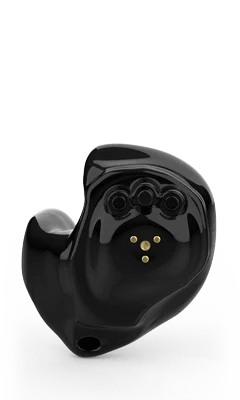
A custom shell sits in the outer ear. Its larger surface may offer room for controls, depending on the model.
Position: Outer ear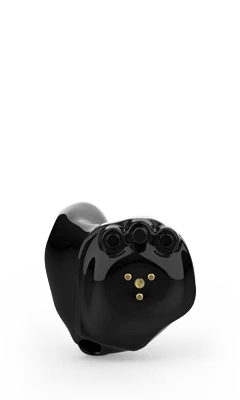
A smaller custom shell fits partly inside the ear canal. Ear shape and handling ability help determine suitability.
Position: Partly in the canal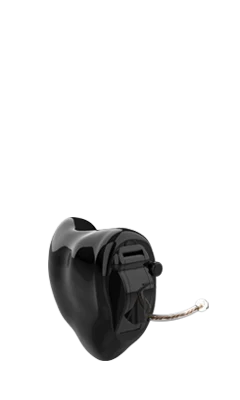
A small custom device sits within the ear canal. Small batteries and controls may be harder to manage.
Position: In the canal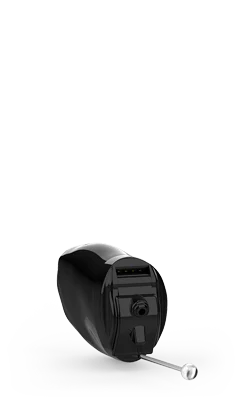
Fits deeper in the canal for a discreet appearance. Ear health, canal shape and hearing needs must be checked.
Position: Deeper in the canalStarkey manufacturer photographs illustrate each style. Availability, colour and features depend on the model recommended for you.
| Style | Position | Practical consideration |
|---|---|---|
| Behind-the-ear (BTE) | Behind the ear | Larger case and controls; earmould fitting matters |
| Receiver-in-canal (RIC) | Behind the ear + canal | Receiver and tip chosen for your hearing |
| In-the-ear (ITE) | Outer ear | Custom shell; handling and ear shape matter |
| In-the-canal (ITC) | Partly in the canal | Smaller shell; controls vary by model |
| Completely-in-canal (CIC) | In the canal | Small device and battery can be harder to handle |
| Invisible-in-canal (IIC) | Deeper in the canal | Deep fitting requires suitable ear canals |
Charge routinely without changing small batteries. Check charger access, battery life and which models suit your hearing.
Carry spare batteries and replace them as needed. Small batteries can be difficult to handle and must be kept away from children and pets.
Bluetooth, telecoils and controls vary by model. Check phone compatibility, comfort and your ability to handle the aid before deciding.

We check fit and comfort, programme suitable aids to your hearing results and explain how to use, charge and clean them. Family or carers can join you if you wish.
Tell us about uncomfortable sounds, whistling, handling difficulties or changes in everyday listening. We discuss fit, settings and cleaning, and explain whether a review, repair or medical assessment is appropriate.
Check your written package for included follow-up visits, warranty and repair terms. Accessories, loss or damage and additional appointments may carry separate charges. For NHS-issued devices, contact the NHS service that supplied them about batteries, repairs and aftercare.
Arrange a hearing aid review at home →We visit selected towns and communities across the East and West Midlands. Enter your postcode to confirm coverage and current appointments at your address.
Enter Your Postcode to BookSelect a map marker to view local service details.
Feedback shared by Hazelwood Hearcare patients on Google.
 Verified by Google
Riz visited my mother at Seagrave care home. She could hear me talking normally afterwards.
Robert DyneVerified by GoogleThe specialist explained every step. I can hear so much better now.
Anmole KhanVerified by GoogleThey explained the whole process along the way. My hearing is excellent now.
Michelle Whitcombe-ScottVerified by GoogleRiz was so patient with my mum.
Yealin PorterVerified by GoogleA great experience with clear advice.
Olivia FultonVerified by GoogleThe procedure was well explained.
Jamie GibbVerified by GoogleHazelwood came to my home for a second visit and the experience was excellent again.
Steve MillerVerified by GoogleA great service that I would recommend to anyone suffering with blocked ears.
Tom SulleyVerified by GoogleThe audiologist removed her earwax and we could not be happier with the result.
Manny SinghVerified by GoogleThey came to my home and I would definitely use the service again.
David DaviesVerified by GoogleFriendly care, clear explanations and affordable pricing.
Maj JThe six common hearing aid styles are receiver-in-canal (RIC), behind-the-ear (BTE), in-the-ear (ITE), in-the-canal (ITC), completely-in-canal (CIC) and invisible-in-canal (IIC). Each offers different levels of visibility, comfort and features.
The best hearing aid depends on your hearing loss, ear shape, lifestyle and personal preferences. An audiologist can assess your hearing and recommend a suitable style based on your needs.
RIC hearing aids have a small receiver inside the ear canal connected by a thin wire. Traditional BTE hearing aids deliver sound through tubing to an earmould or earpiece. Both can suit different levels of hearing loss.
RIC, BTE and larger ITE hearing aids can be suitable for older adults. The best choice depends on hearing needs, ease of handling, comfort and whether the person prefers rechargeable or replaceable batteries.
Powerful behind-the-ear hearing aids and certain receiver-in-canal models may be suitable for severe hearing loss. An audiologist can identify which devices provide appropriate amplification following a hearing assessment.
Completely-in-canal (CIC) and invisible-in-canal (IIC) hearing aids are among the most discreet options. Modern RIC hearing aids can also be difficult to notice while offering a wider range of features.
Rechargeable hearing aids offer convenient daily charging without regularly replacing small batteries. Replaceable-battery models may be preferable for people who want to carry spare batteries. Neither option is automatically better.
Yes. Many hearing aid styles can be fitted and adjusted during home visits. Hazelwood Hearcare provides home hearing assessments, hearing aid fitting and ongoing aftercare across selected Midlands locations. The available styles depend on your hearing needs and the devices offered.
Book a home consultation to discuss your hearing, options and next steps.
Check your postcode or choose a service.