
.png)
Hearing changes rarely happen overnight.
More often, they develop gradually. Conversations feel slightly less clear. The television volume creeps higher. You begin to rely more heavily on lip reading without realising it.
Because hearing decline can be subtle, many people delay assessment for years. They adjust quietly. They compensate. They assume it is “just ageing”.
But hearing is not something we should guess about.
This article explains the signs that indicate you may need a hearing test, why early assessment matters, and how to approach hearing care calmly and confidently.
.png)
One of the most common early indicators of hearing difficulty is not volume, but clarity.
You may notice:
This happens because many types of hearing loss affect higher frequencies first. These higher tones carry speech detail rather than overall loudness.
If voices sound audible but unclear, it is sensible to arrange a hearing assessment rather than assume others are mumbling.
.png)
Many people cope well in quiet rooms but struggle in restaurants, family gatherings or public spaces.
You might notice:
Hearing loss often affects the ability to filter speech from background noise.
This is not a concentration issue. It is a processing issue and it is measurable through structured hearing testing.

If family members frequently comment that the television is “too loud”, it is worth considering whether your hearing has changed.
You may not notice the increase yourself because it has happened slowly.
Warning patterns include:
This is one of the most reliable early indicators that a hearing test may be appropriate.
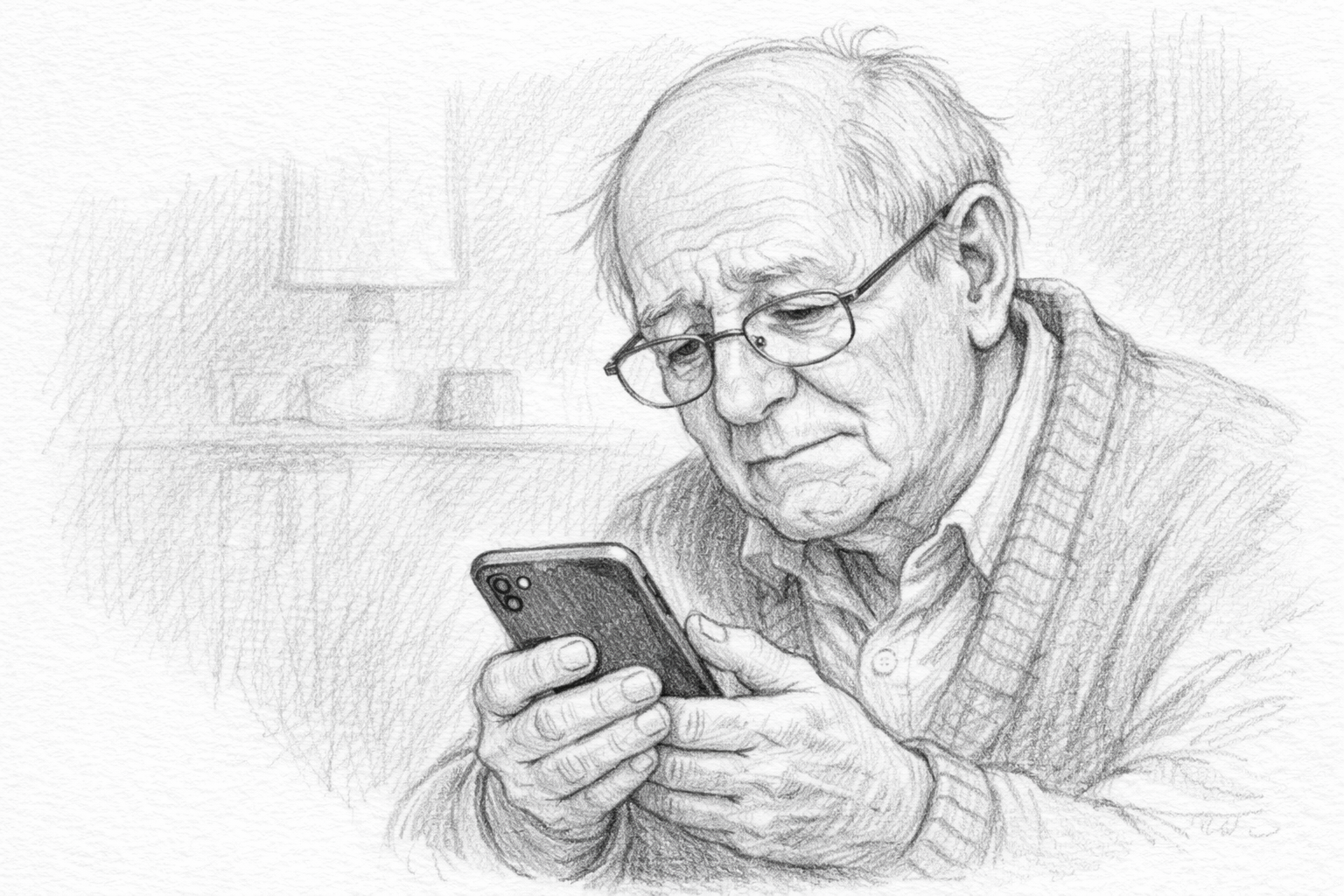
Telephone conversations remove visual cues such as facial expressions and lip movement.
If you:
These may be subtle signs of reduced hearing clarity.
Phone-related difficulties often appear before people notice problems in face-to-face settings.
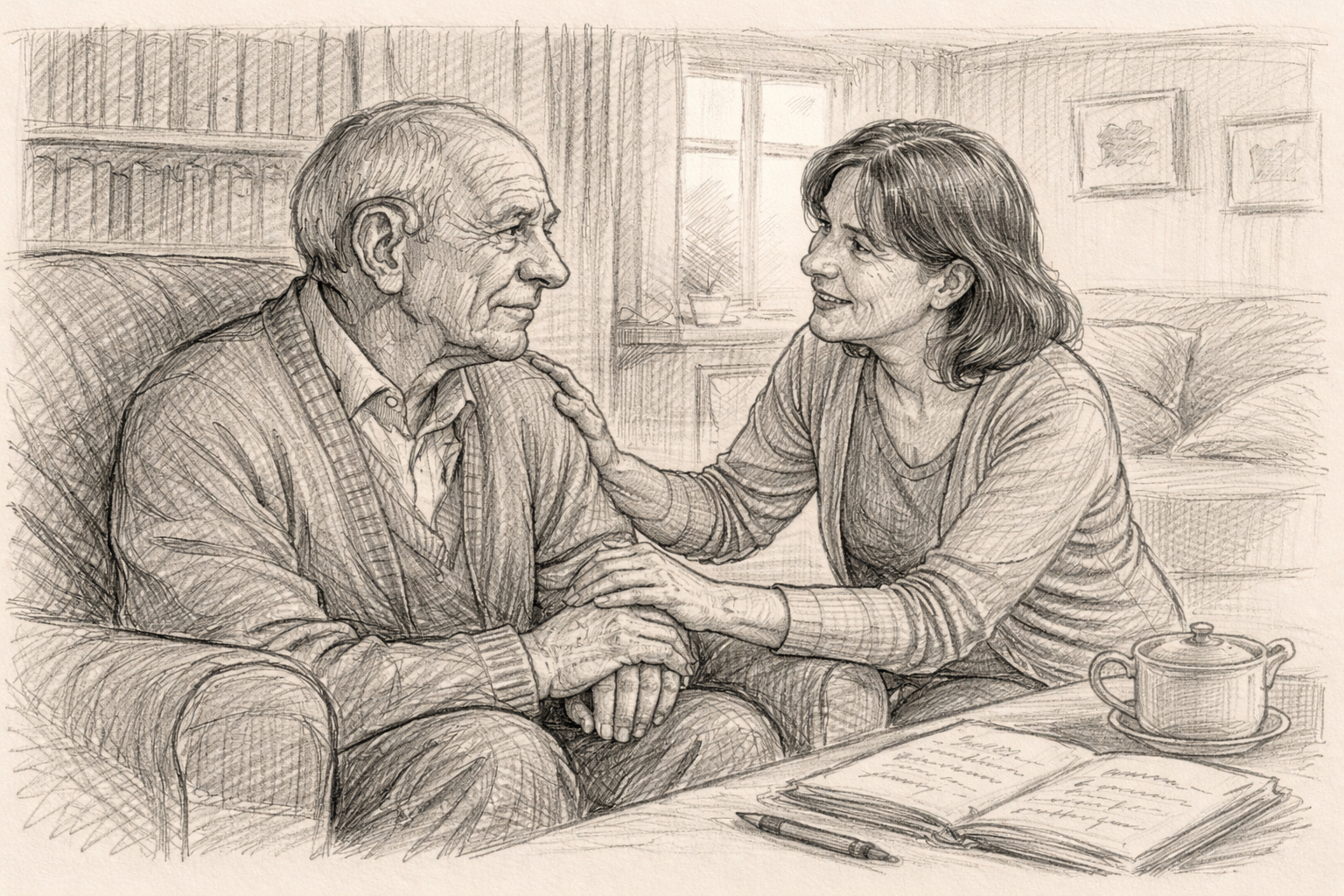
Sometimes others notice changes before we do.
Family may comment that:
Hearing loss affects not only volume but social flow. Small misunderstandings accumulate and alter communication patterns.
Listening to those observations calmly and openly is helpful. It does not mean something is seriously wrong. It simply means assessment would provide clarity.

Tinnitus is the perception of ringing, buzzing or humming sounds without an external source.
While tinnitus does not always indicate hearing loss, it is frequently associated with it.
If you notice:
A hearing test can help determine whether hearing thresholds have changed.
Assessment does not eliminate tinnitus, but it clarifies underlying factors and potential management options.

Hearing difficulty often leads to listening fatigue.
You may feel:
When hearing is reduced, the brain works harder to fill in missing information.
This increased effort is subtle but significant over time.
A hearing test can determine whether reduced clarity is contributing to cognitive strain.
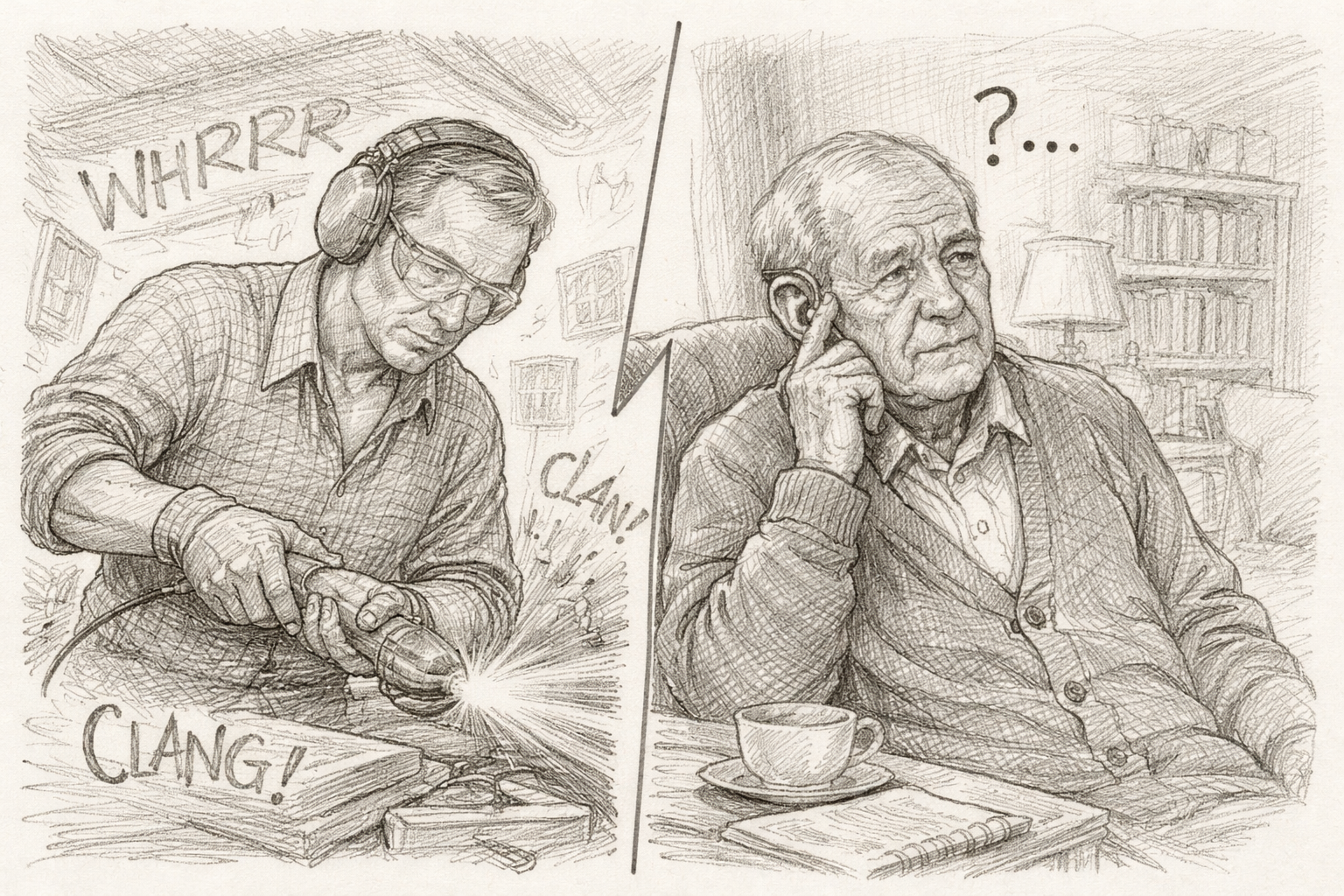
Common examples include:
If this happens repeatedly, particularly in quiet environments, hearing thresholds may have shifted.
This type of difficulty often reflects changes in specific frequency ranges.
Only formal testing can determine the pattern accurately.
Noise exposure accumulates.
If you have:
Even if hearing feels acceptable, baseline testing is sensible.
Noise-induced hearing loss can develop gradually and remain unnoticed until communication difficulties appear.

Age-related hearing changes are common, though not inevitable.
Routine hearing assessment after 60 is comparable to eye testing.
It does not imply decline. It provides reassurance and baseline measurement.
Regular monitoring allows subtle changes to be addressed early, rather than later.

Hearing influences confidence.
If you:
It may not be personality. It may be hearing.
Restoring clarity often restores social ease.
Many people delay testing because they associate it with hearing aids.
A hearing test is not a commitment to treatment.
It is information.
Early testing allows:
Addressing hearing early prevents long periods of unnecessary communication difficulty.
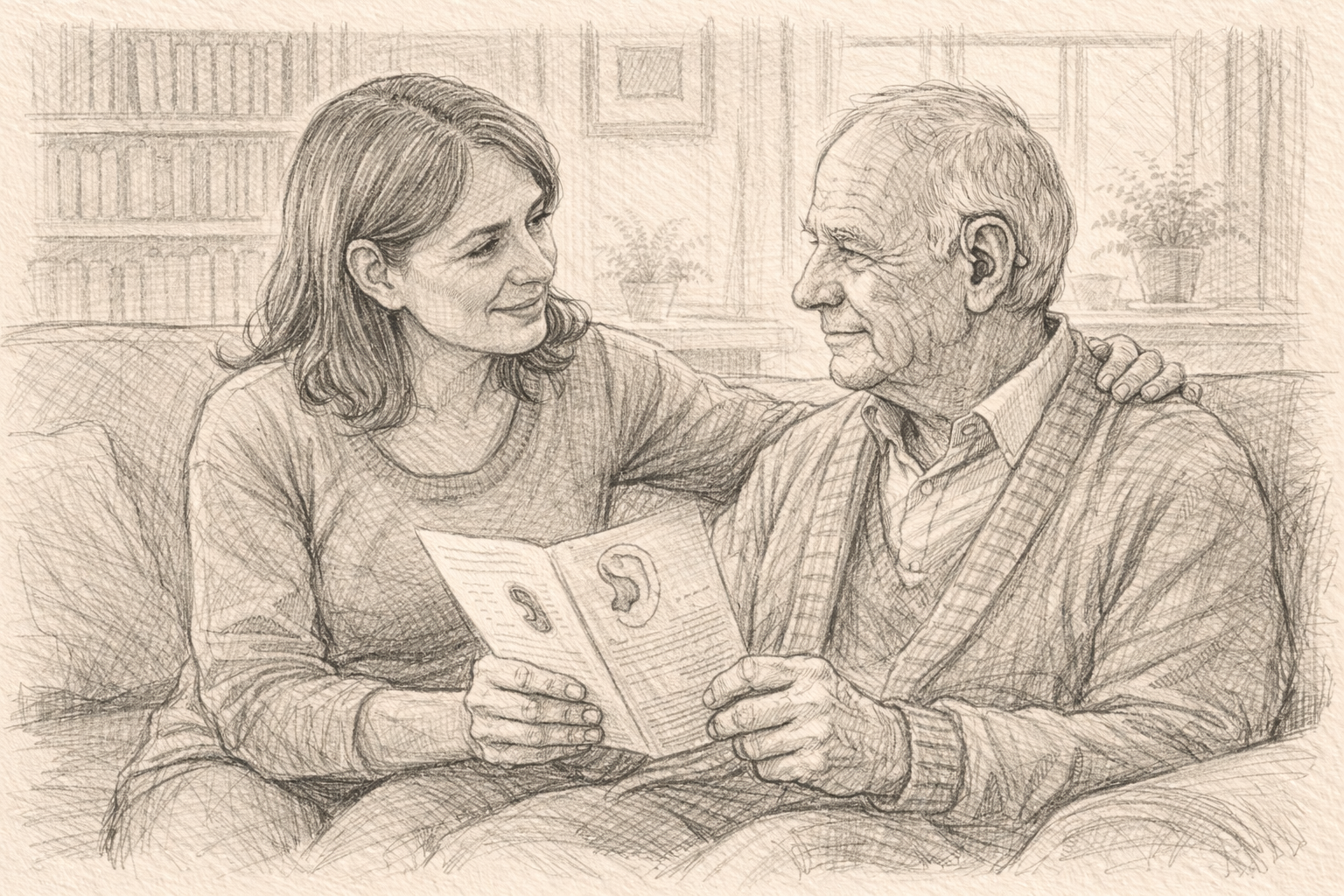
Many avoid testing because they are unsure what happens.
A standard hearing test includes:
It is painless and typically takes under 90 minutes.
The outcome is clarity not pressure.
While most hearing changes are gradual, seek medical advice promptly if you experience:
Sudden symptoms should not be monitored passively.
Gradual symptoms, however, benefit from calm assessment.
Research increasingly links untreated hearing loss with cognitive strain.
When hearing is reduced:
Testing does not diagnose cognitive conditions, but it removes uncertainty about hearing contribution.
Clarity reduces strain.
Some hesitate because they fear confirmation of hearing loss.
It is important to understand:
Avoiding assessment prolongs uncertainty.
Understanding provides options.
General guidance:
Consistency ensures small changes are noticed early.
If you are concerned about a relative:
Framing the test as information rather than intervention reduces resistance.
If you notice consistent difficulty understanding speech, increased television volume, or listening fatigue, testing is appropriate.
Yes. Even mild loss can affect clarity and social ease. Early testing provides baseline data.
Temporary blockages such as earwax can improve with treatment. Permanent hearing changes do not reverse spontaneously.
No. It involves listening to tones and speech through headphones. It is non-invasive.
That outcome provides reassurance and baseline measurement. It rules out hearing as the source of difficulty.
No. Some individuals require monitoring only. Others benefit from earwax removal or communication strategies.
Yes. Home hearing assessments are available for those who prefer familiar surroundings or have mobility concerns.
Hearing changes often develop quietly.
The signs are not dramatic. They are gradual shifts:
A hearing test is not an admission of decline.
It is a step toward understanding.
Clarity supports communication.
Communication supports connection.
Connection supports wellbeing.
If you recognise any of these signs, seeking assessment is not urgent panic.
It is measured, sensible care.