

In brief
Hearing loss affects millions of people worldwide, impacting communication, quality of life, and overall wellbeing.
Key takeaways
- Hearing aids are selected using your hearing results and everyday listening needs.
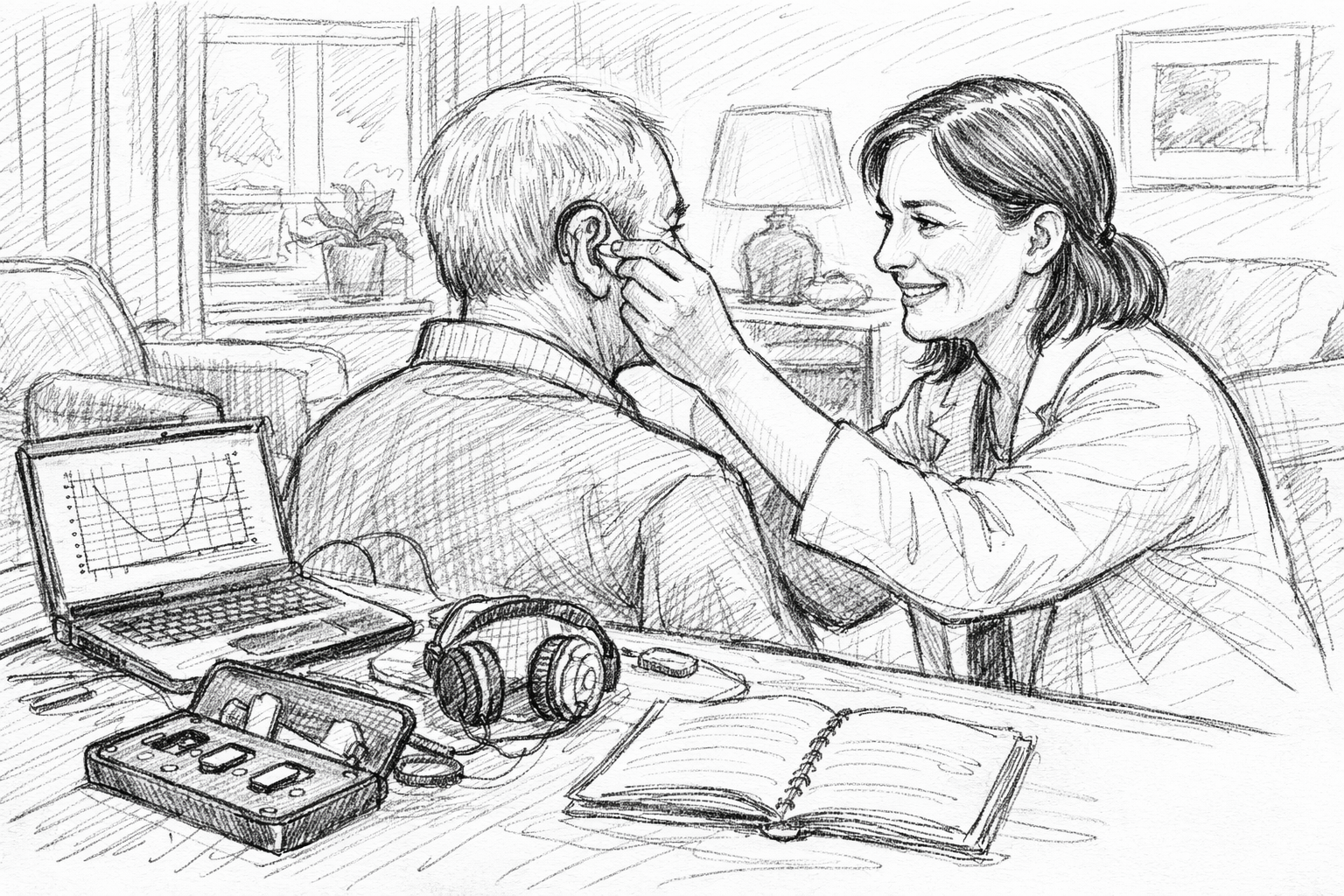
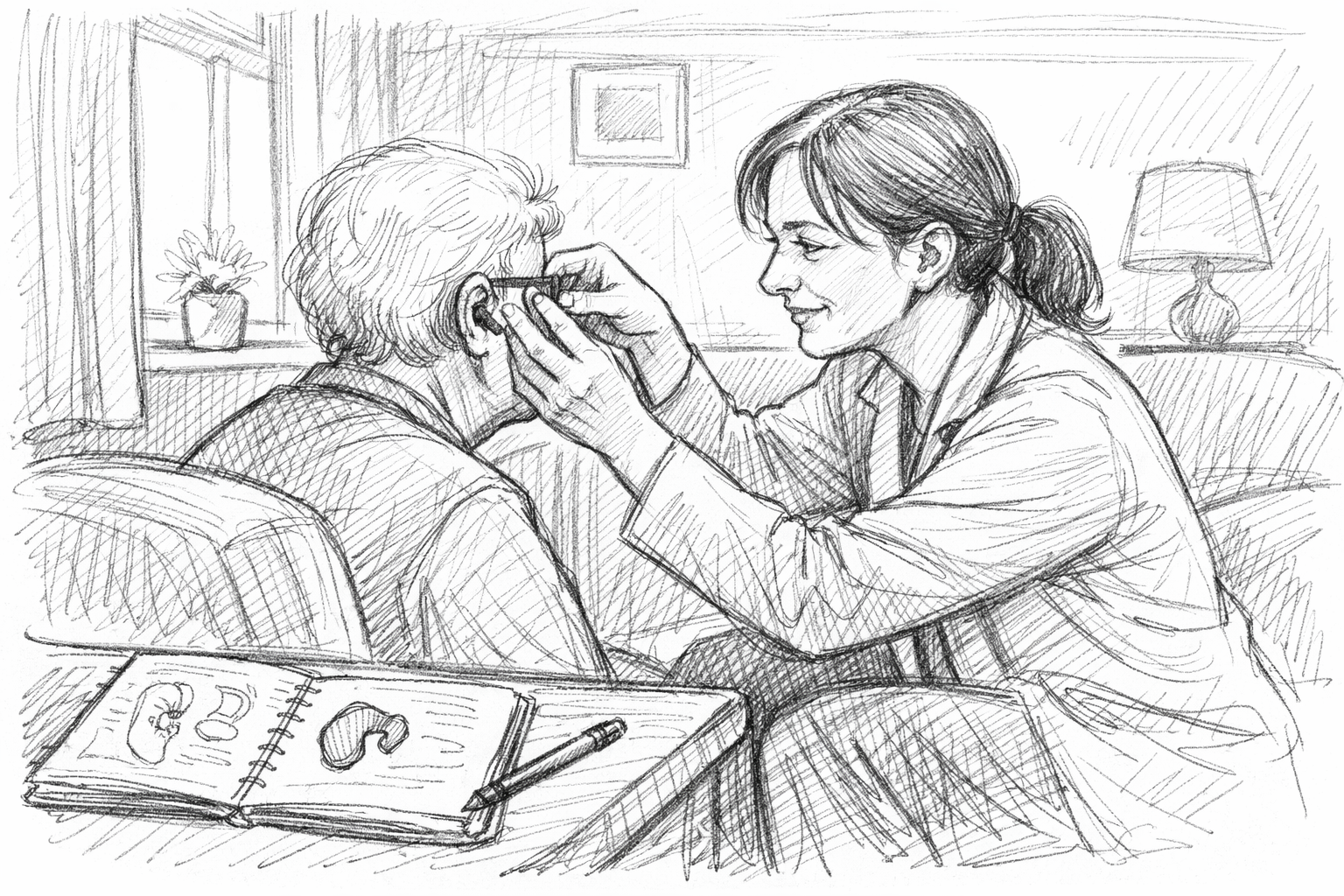
- Devices can be fitted and programmed in your own surroundings.
- Follow-up adjustments and aftercare support comfortable long-term use.
How this guide answers your question
Use these points to move from the concern you noticed to a sensible next step.
Are Hearing Aids Suitable for Everyone?Are Hearing Aids Suitable for Everyone?
Hearing loss affects millions of people worldwide, impacting communication, quality of life, and overall wellbeing. Hearing aids are one of the most common solutions to improve hearing, but are hearing aids suitable for everyone? The short answer is no — but that doesn’t mean there isn’t a suitable solution for you. At Hazelwood Hearcare, we believe in educating our patients and tailoring hearing care to each individual's unique needs.
In this blog, we’ll explore who hearing aids are suitable for, who may need alternatives, how hearing aids work, and what factors influence their effectiveness.
Discover How Hearing Aids Work

Hearing aids are small electronic devices that amplify sounds to help individuals with hearing loss. They consist of a microphone, amplifier, speaker, and battery. These components work together to pick up sound from the environment, make it louder, and deliver it into the ear.
Modern digital hearing aids can be programmed to target specific frequencies and hearing needs. Some models are also equipped with features like noise reduction, Bluetooth connectivity, and directional microphones.
But despite their advanced technology, hearing aids are not a one-size-fits-all solution.
Who Can Benefit from Hearing Aids?

Hearing aids are most effective for people with:
- Mild to moderate sensorineural hearing loss
- This is the most common type of hearing loss, caused by damage to the inner ear (cochlea) or auditory nerve.
- Gradual hearing decline due to aging (presbycusis)
- Age-related hearing loss typically affects high-frequency sounds and can often be improved with hearing aids.
- Hearing loss caused by noise exposure
- Regular exposure to loud environments (construction, concerts, factories) can lead to noise-induced hearing loss, which hearing aids can help manage.
- Certain cases of mixed hearing loss
- In some cases, people have a combination of conductive and sensorineural hearing loss. Hearing aids may still be beneficial depending on the severity and underlying cause.
At Hazelwood Hearcare, we conduct comprehensive hearing tests to determine the type and degree of hearing loss and whether hearing aids are the right solution.
When Are Hearing Aids Not Suitable?

There are several scenarios where hearing aids may not be effective or appropriate:
1. Conductive Hearing Loss Requiring Medical Treatment
Conductive hearing loss occurs when sound can’t pass through the outer or middle ear effectively. This can be due to earwax buildup, fluid in the middle ear, or a perforated eardrum. In many cases, this type of hearing loss can be treated medically or surgically.
In these cases, a hearing aid may not be needed at all once the underlying problem is resolved.
2. Profound or Total Deafness
Individuals with severe to profound hearing loss may find conventional hearing aids insufficient. For these cases, cochlear implants or bone-anchored hearing systems might be recommended instead.
3. Cognitive or Dexterity Challenges
Some people, especially the elderly or those with dementia, may struggle to use or maintain hearing aids effectively. Small device controls and frequent battery changes can pose challenges.
In these instances, hearing assistive technology or caregiver-supported solutions might be more appropriate.
4. Very Active Ear Infections
Ongoing infections or chronic drainage in the ears can make it unsafe to use hearing aids, especially in-the-ear (ITE) styles. In such cases, a specialist may advise alternative treatment first before fitting hearing aids.
Factors That Influence Hearing Aid Effectiveness

Even for people who are considered suitable candidates, hearing aids don’t always work the same for everyone. Success with hearing aids depends on several factors:
1. Type and Severity of Hearing Loss
Mild to moderate hearing loss often responds well to amplification. Severe losses may require more powerful devices or additional hearing strategies.
2. Timing of Treatment
The sooner hearing loss is addressed, the better the outcome. Early intervention helps your brain stay familiar with processing sounds, improving speech clarity over time.
3. Proper Fitting and Programming
A hearing aid must be tailored to your specific hearing profile, which is why professional fitting by a qualified audiologist is essential. Off-the-shelf devices or poorly programmed aids often lead to disappointment.
4. Realistic Expectations and Patience
Adjusting to hearing aids takes time. It’s not an instant fix your brain needs time to re-learn how to process amplified sounds. At Hazelwood Hearcare, we support you every step of the way.
What Are the Alternatives If Hearing Aids Don’t Work?

If hearing aids aren’t the right fit, don’t worry there are other options available:
- Cochlear implants: Suitable for profound hearing loss, these surgically implanted devices bypass damaged inner ear structures.
- Bone conduction devices: Ideal for those with conductive or single-sided hearing loss.
- Assistive listening devices (ALDs): These include amplified phones, TV streamers, and personal amplifiers for specific listening environments.
- Lip reading and communication training: Often used in conjunction with devices or for those who prefer non-technological approaches.
We’ll work closely with you to find the right solution based on your needs and lifestyle.
Why Professional Hearing Care Matters

Many people try over-the-counter hearing amplifiers or online devices without guidance. Unfortunately, these generic solutions often fail to deliver results because they don’t address your unique hearing profile.
At Hazelwood Hearcare, we take a personalized and professional approach:
- Full diagnostic hearing tests
- Detailed lifestyle and communication assessments
- Custom device fittings and real-ear measurements
- Ongoing aftercare, support, and adjustments
- Home visits available throughout Coventry, Kenilworth, and Leamington Spa
What to Expect from Your First Visit

- Initial Consultation
- We begin with a detailed discussion of your hearing history, symptoms, and lifestyle needs.
- Comprehensive Hearing Test
- Using state-of-the-art equipment, we measure your hearing ability across different frequencies.
- Personalized Recommendations
- Based on your results, we’ll recommend the most suitable hearing aids or alternatives.
- Free Trial and Ongoing Support
- Many of our hearing aids come with trial periods, and we offer aftercare and fine-tuning appointments to ensure the best outcome.
FAQs About Hearing Aid Suitability
Q: Do hearing aids restore normal hearing?
No, hearing aids amplify sound but don’t "cure" hearing loss. They help you hear more clearly and comfortably but cannot restore natural hearing.
Q: Can anyone buy hearing aids online?
While online hearing aids are available, we strongly recommend a professional evaluation. Incorrectly fitted devices can do more harm than good.
Q: What if I tried hearing aids before and they didn’t work?
Technology has evolved dramatically. If your old aids didn’t help, you may benefit from new options and a fresh fitting by a specialist.
Q: Are hearing aids suitable for children?
Yes, but children need special pediatric hearing aids and support from a hearing healthcare professional.
Final Thoughts
While hearing aids aren't suitable for everyone, there is a hearing solution for almost every person experiencing hearing difficulties. With the right diagnosis, professional fitting, and ongoing care, most people can enjoy better hearing and a better life.
Hazelwood Hearcare is here to help you every step of the way. Reach out to us for a no-obligation consultation and begin your journey to clearer, more confident hearing.
For appointment information rather than general guidance, see Explore private hearing aids. Check current postcode coverage before arranging a visit.
What shapes a suitable hearing-aid choice
The right option depends on more than device size. Hearing results, daily listening needs, handling and aftercare all contribute.
| Decision area | What to consider | How it helps |
|---|---|---|
| Hearing results | The pattern and degree of hearing change | Guides appropriate programming and technology |
| Daily listening | Conversation, television, telephone and background noise | Focuses the fitting on real situations |
| Comfort and handling | Fit, controls, charging and maintenance | Supports confident, consistent use |
Considering hearing aids at home?
Learn about assessment, fitting and ongoing support in your own surroundings.
Explore private hearing aids → Hearing Aids
 Hearing Aids
 Hearing Aids