

In brief
At Hazelwood Hearcare, we’re more than just a hearing clinic. we’re your local partner for
Key takeaways
- Hearing aids are selected using your hearing results and everyday listening needs.
- Devices can be fitted and programmed in your own surroundings.
- Follow-up adjustments and aftercare support comfortable long-term use.
How this guide answers your question
Use these points to move from the concern you noticed to a sensible next step.
Ear Examination, Hearing Test or Hearing Aid Review: Which Comes First?Restore Your Hearing Comfort with Trusted Local Experts
At Hazelwood Hearcare, we’re more than just a hearing clinic. we’re your local partner for total ear wellness. Whether it’s dealing with earwax buildup or choosing the right hearing aid, our team is here to help you hear clearly again. With professional care available across the UK Midlands, we make expert ear health accessible, safe, and stress-free.

Our Core Services: Fast, Safe & Gentle Care

- Microsuction Earwax Removal
- The safest method available gentle, dry, and quick. No syringing, no mess, and no pain.
- Hearing Tests at Our Clinics or Your Home
- Book a free hearing assessment at a local clinic or request a home visit for elderly or housebound patients.
- Hearing Aid Fittings & Support
- We offer the latest digital hearing aids, personalised fittings, and long-term support to help you hear better and live fully.
- Same-Day Appointments
- Available at selected clinics including Coventry, Leicester, Nottingham, Dudley, Nuneaton, Corby, and more.
Common Ear & Hearing Concerns We Address

- Why does earwax removal hurt?
- It usually doesn’t. If it does, it could be due to hardened wax or an ear infection. Microsuction is generally pain-free.
- Is it good to get your earwax removed?
- Yes—especially if you wear hearing aids, experience hearing loss, or feel blocked ears. Avoid DIY methods.
- How often should I have microsuction?
- Once or twice a year is typical. More frequent care may be needed if you’re prone to wax buildup or wear hearing aids.
- How do hearing aids help tinnitus and hearing loss?
- Hearing aids can reduce the strain on your ears by amplifying sound and masking tinnitus noises, helping improve focus and quality of life.
For appointment information rather than general guidance, see Explore private hearing aids. Check current postcode coverage before arranging a visit.
What shapes a suitable hearing-aid choice
The right option depends on more than device size. Hearing results, daily listening needs, handling and aftercare all contribute.
| Decision area | What to consider | How it helps |
|---|---|---|
| Hearing results | The pattern and degree of hearing change | Guides appropriate programming and technology |
| Daily listening | Conversation, television, telephone and background noise | Focuses the fitting on real situations |
| Comfort and handling | Fit, controls, charging and maintenance | Supports confident, consistent use |
Considering hearing aids at home?
Learn about assessment, fitting and ongoing support in your own surroundings.
Explore private hearing aids →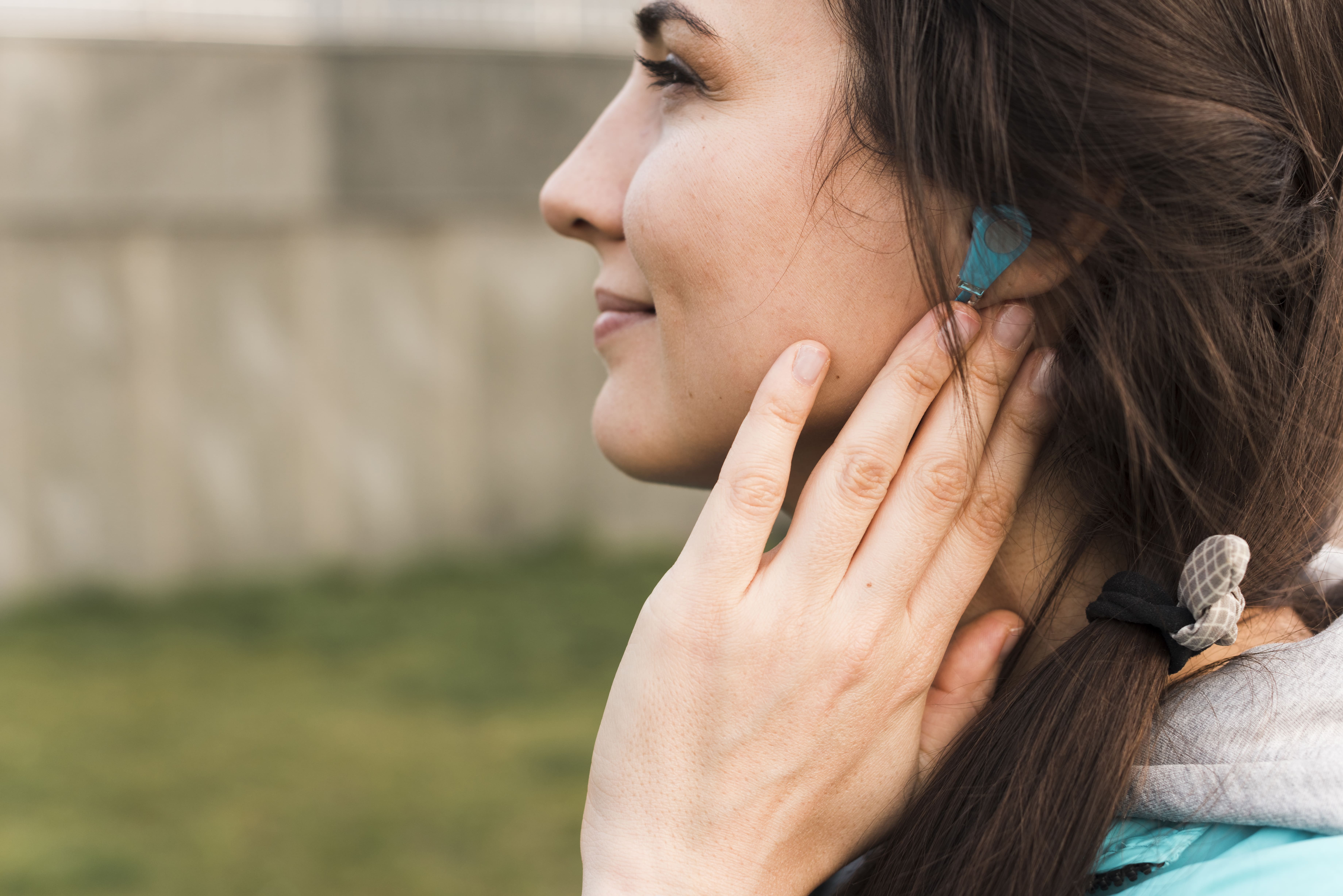 Localised Hearing Care
 Hearing Test
 Hearing Aids