

In brief
Recognise the early signs of hearing changes. A calm guide to knowing when a professional hearing test is the right next step.
Key takeaways
- A home hearing assessment considers the listening situations that matter to you.
- Your ears are checked before the hearing tests begin.
- Results and practical next steps are explained during the appointment.
How this guide answers your question
Use these points to move from the concern you noticed to a sensible next step.
Signs You Need a Hearing Test: Subtle Changes You Shouldn’t IgnoreHearing changes rarely happen overnight.
More often, they develop gradually. Conversations feel slightly less clear. The television volume creeps higher. You begin to rely more heavily on lip reading without realising it.
Because hearing decline can be subtle, many people delay assessment for years. They adjust quietly. They compensate. They assume it is “just ageing”.
But hearing is not something we should guess about.
This article explains the signs that indicate you may need a hearing test, why early assessment matters, and how to approach hearing care calmly and confidently.
1. You Hear People Talking But Struggle to Understand the Words

One of the most common early indicators of hearing difficulty is not volume, but clarity.
You may notice:
- Speech sounds muffled
- Consonants such as “s”, “f”, or “th” are difficult to distinguish
- You frequently ask others to repeat themselves
- You respond inappropriately because you misheard
This happens because many types of hearing loss affect higher frequencies first. These higher tones carry speech detail rather than overall loudness.
If voices sound audible but unclear, it is sensible to arrange a hearing assessment rather than assume others are mumbling.
2. Background Noise Makes Conversations Hard Work

Many people cope well in quiet rooms but struggle in restaurants, family gatherings or public spaces.
You might notice:
- Difficulty following group conversations
- Feeling exhausted after social events
- Avoiding noisy environments
- Smiling and nodding rather than engaging fully
Hearing loss often affects the ability to filter speech from background noise.
This is not a concentration issue. It is a processing issue and it is measurable through structured hearing testing.
3. The Television Volume Is Increasing Gradually

If family members frequently comment that the television is “too loud”, it is worth considering whether your hearing has changed.
You may not notice the increase yourself because it has happened slowly.
Warning patterns include:
- Preferring subtitles
- Turning up volume while others find it uncomfortable
- Struggling to follow dialogue without visual cues
This is one of the most reliable early indicators that a hearing test may be appropriate.
4. You Avoid Phone Calls
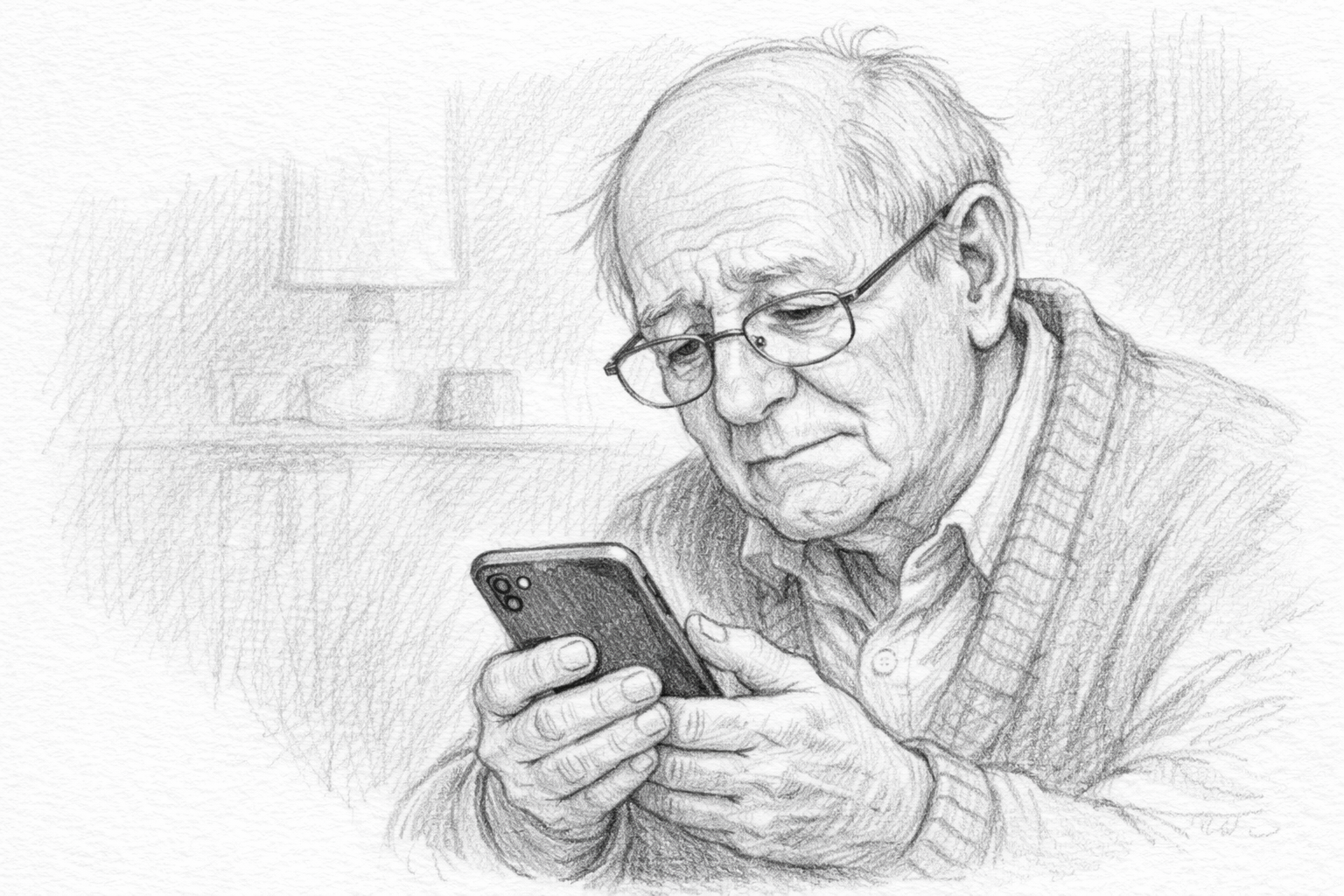
Telephone conversations remove visual cues such as facial expressions and lip movement.
If you:
- Prefer texting instead of calling
- Struggle to follow conversations on the phone
- Avoid answering unknown numbers
- Ask callers to repeat themselves often
These may be subtle signs of reduced hearing clarity.
Phone-related difficulties often appear before people notice problems in face-to-face settings.
5. Family Members Express Concern
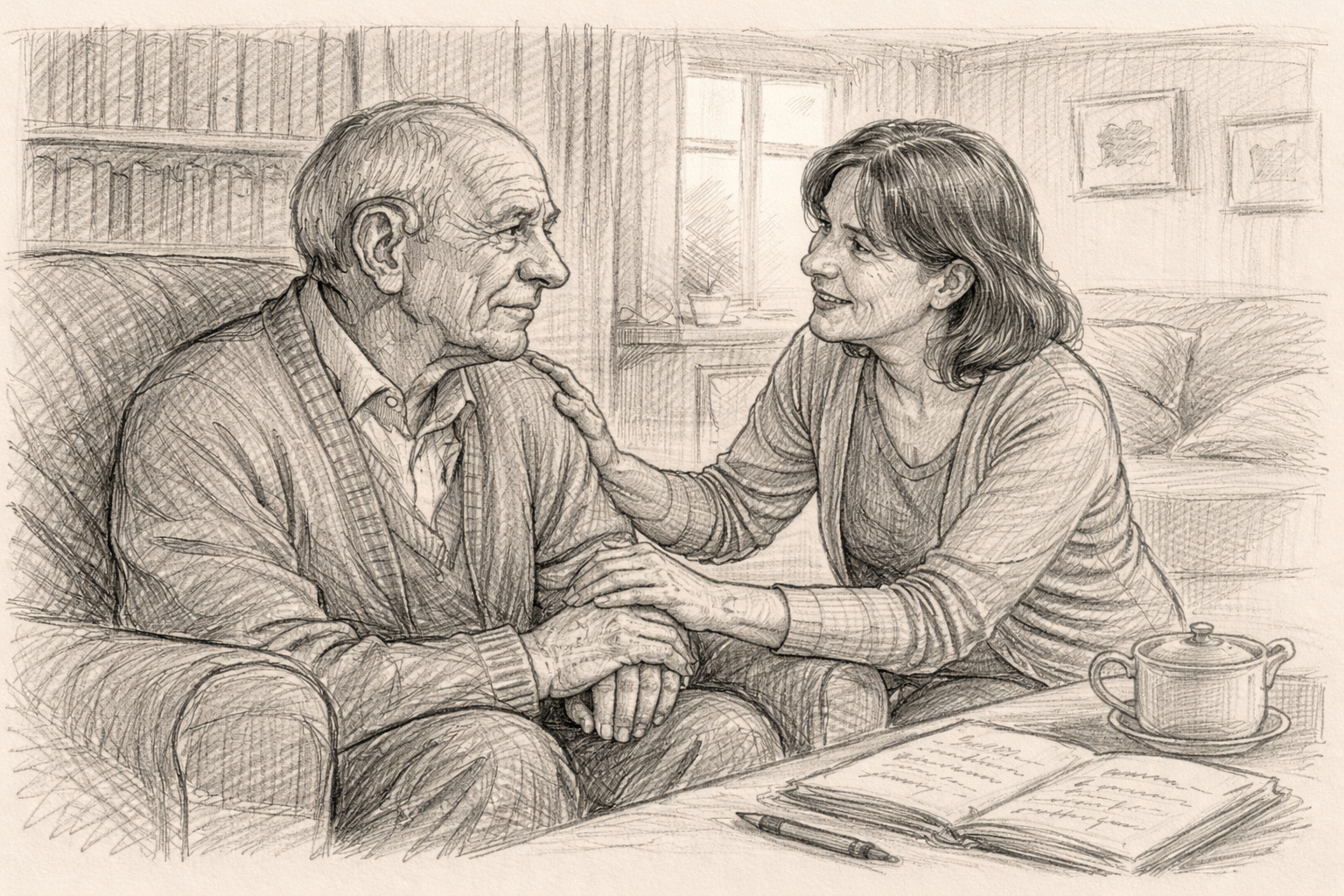
Sometimes others notice changes before we do.
Family may comment that:
- You seem withdrawn in conversation
- You misinterpret questions
- You respond inappropriately
- You appear frustrated more often
Hearing loss affects not only volume but social flow. Small misunderstandings accumulate and alter communication patterns.
Listening to those observations calmly and openly is helpful. It does not mean something is seriously wrong. It simply means assessment would provide clarity.
6. You Experience Ringing in the Ears (Tinnitus)

Tinnitus is the perception of ringing, buzzing or humming sounds without an external source.
While tinnitus does not always indicate hearing loss, it is frequently associated with it.
If you notice:
- Persistent ringing
- Intermittent buzzing
- Sound sensitivity
- Changes in hearing alongside tinnitus
A hearing test can help determine whether hearing thresholds have changed.
Assessment does not eliminate tinnitus, but it clarifies underlying factors and potential management options.
7. You Feel More Fatigued After Conversations

Hearing difficulty often leads to listening fatigue.
You may feel:
- Mentally tired after social interaction
- Drained after meetings
- Frustrated when trying to concentrate on speech
When hearing is reduced, the brain works harder to fill in missing information.
This increased effort is subtle but significant over time.
A hearing test can determine whether reduced clarity is contributing to cognitive strain.
8. You Frequently Mishear Similar-Sounding Words
Common examples include:
- “Fifteen” and “fifty”
- “Cat” and “cap”
- “Ship” and “sip”
If this happens repeatedly, particularly in quiet environments, hearing thresholds may have shifted.
This type of difficulty often reflects changes in specific frequency ranges.
Only formal testing can determine the pattern accurately.
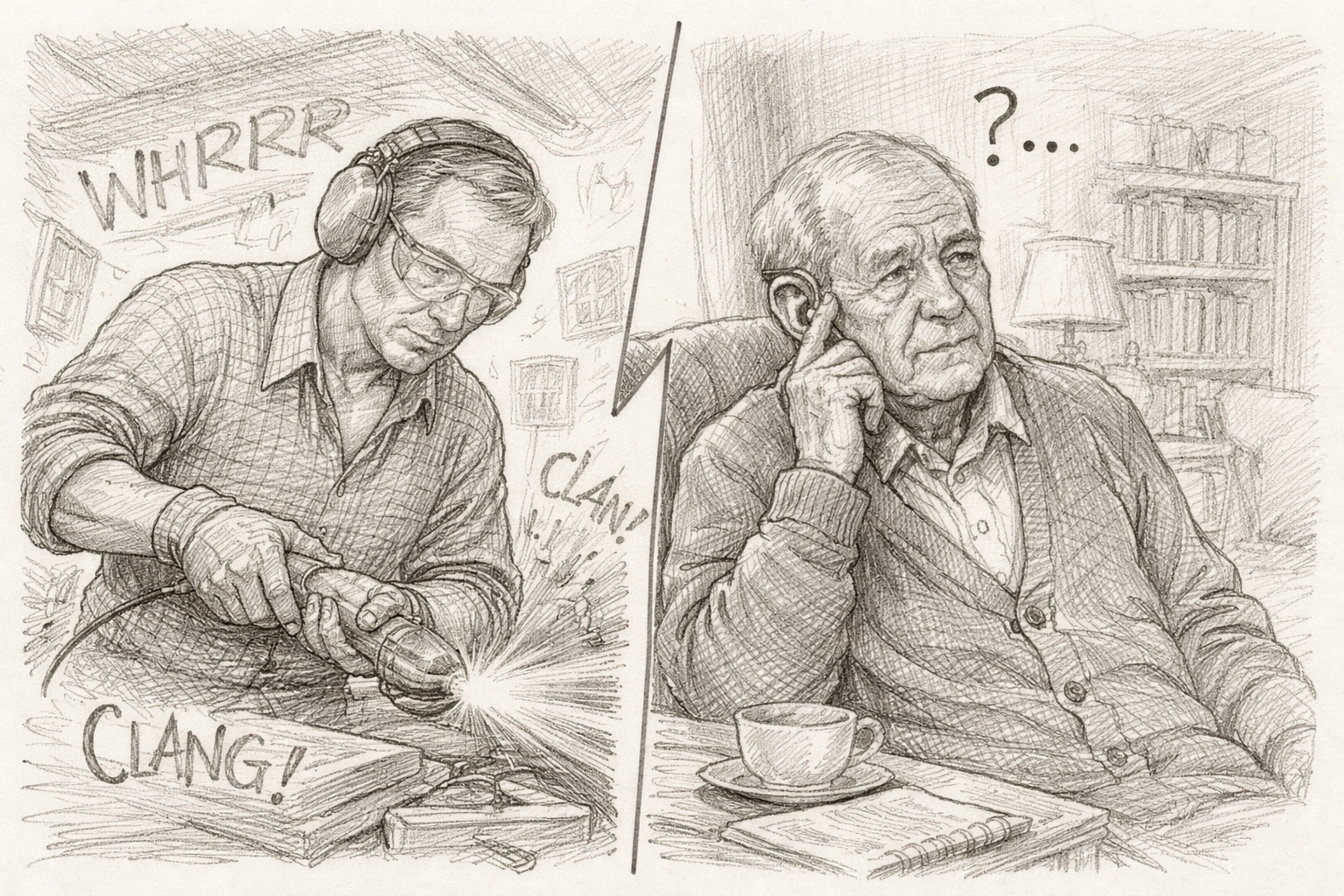
9. You Have a History of Noise Exposure
Noise exposure accumulates.
If you have:
- Worked in construction or manufacturing
- Served in the military
- Attended loud music events regularly
- Used power tools frequently
Even if hearing feels acceptable, baseline testing is sensible.
Noise-induced hearing loss can develop gradually and remain unnoticed until communication difficulties appear.
10. You Are Over 60 and Have Never Had a Hearing Test

Age-related hearing changes are common, though not inevitable.
Routine hearing assessment after 60 is comparable to eye testing.
It does not imply decline. It provides reassurance and baseline measurement.
Regular monitoring allows subtle changes to be addressed early, rather than later.
11. You Feel Less Confident in Social Situations

Hearing influences confidence.
If you:
- Withdraw from group conversations
- Avoid gatherings
- Prefer isolation in noisy settings
- Feel anxious about mishearing
It may not be personality. It may be hearing.
Restoring clarity often restores social ease.
Why Early Hearing Testing Matters
Many people delay testing because they associate it with hearing aids.
A hearing test is not a commitment to treatment.
It is information.
Early testing allows:
- Clear baseline measurement
- Monitoring over time
- Advice tailored to your situation
- Intervention before strain accumulates
Addressing hearing early prevents long periods of unnecessary communication difficulty.
What a Hearing Test Actually Involves

Many avoid testing because they are unsure what happens.
A standard hearing test includes:
- Conversation about hearing concerns
- Examination of ear canals
- Structured listening tests using tones
- Speech clarity assessment
- Explanation of results
It is painless and typically takes under 90 minutes.
The outcome is clarity not pressure.
When Symptoms Require Urgent Attention
While most hearing changes are gradual, seek medical advice promptly if you experience:
- Sudden hearing loss in one or both ears
- Persistent dizziness
- Ear pain with discharge
- Rapid changes over hours or days
Sudden symptoms should not be monitored passively.
Gradual symptoms, however, benefit from calm assessment.
How Hearing Tests Support Cognitive Health
Research increasingly links untreated hearing loss with cognitive strain.
When hearing is reduced:
- The brain reallocates resources to process sound
- Memory and attention are taxed
- Social withdrawal may increase
Testing does not diagnose cognitive conditions, but it removes uncertainty about hearing contribution.
Clarity reduces strain.
Addressing Emotional Barriers
Some hesitate because they fear confirmation of hearing loss.
It is important to understand:
- Hearing change is common
- It reflects physiology, not weakness
- Early awareness improves outcomes
- Testing is information, not judgement
Avoiding assessment prolongs uncertainty.
Understanding provides options.
How Often Should Hearing Be Tested?
General guidance:
- Every 2 years after 60
- Sooner if symptoms appear
- Annually if hearing aids are worn
Consistency ensures small changes are noticed early.
Supporting a Family Member Who May Need Testing
If you are concerned about a relative:
- Raise the subject gently
- Share observations rather than criticism
- Offer to attend the appointment
- Emphasise reassurance rather than correction
Framing the test as information rather than intervention reduces resistance.
Frequently Asked Questions
How do I know if I truly need a hearing test?
If you notice consistent difficulty understanding speech, increased television volume, or listening fatigue, testing is appropriate.
Is mild hearing loss worth testing?
Yes. Even mild loss can affect clarity and social ease. Early testing provides baseline data.
Can hearing improve on its own?
Temporary blockages such as earwax can improve with treatment. Permanent hearing changes do not reverse spontaneously.
Is a hearing test uncomfortable?
No. It involves listening to tones and speech through headphones. It is non-invasive.
What if the results are normal?
That outcome provides reassurance and baseline measurement. It rules out hearing as the source of difficulty.
Do all hearing tests lead to hearing aids?
No. Some individuals require monitoring only. Others benefit from earwax removal or communication strategies.
Can I have a hearing test at home?
Yes. Home hearing assessments are available for those who prefer familiar surroundings or have mobility concerns.
Final Thoughts
Hearing changes often develop quietly.
The signs are not dramatic. They are gradual shifts:
- Less clarity
- More effort
- Increased volume
- Reduced confidence
A hearing test is not an admission of decline.
It is a step toward understanding.
Clarity supports communication.
Communication supports connection.
Connection supports wellbeing.
If you recognise any of these signs, seeking assessment is not urgent panic.
It is measured, sensible care.
For appointment information rather than general guidance, see Arrange a home hearing test. Check current postcode coverage before arranging a visit.
What a home hearing assessment can clarify
A hearing assessment connects everyday listening difficulties with measured results and practical next steps.
| Part of the visit | What it explores | Why it matters |
|---|---|---|
| Conversation and history | Changes, priorities and listening situations | Keeps the assessment relevant to everyday life |
| Ear examination | Visible wax and the condition of the outer ear | Helps identify whether another step is needed first |
| Appropriate hearing tests | Responses to sounds across useful frequencies | Provides results that can be explained and discussed |
Would a hearing assessment help?
Explore private hearing tests carried out at home, with results explained clearly.
Arrange a home hearing test →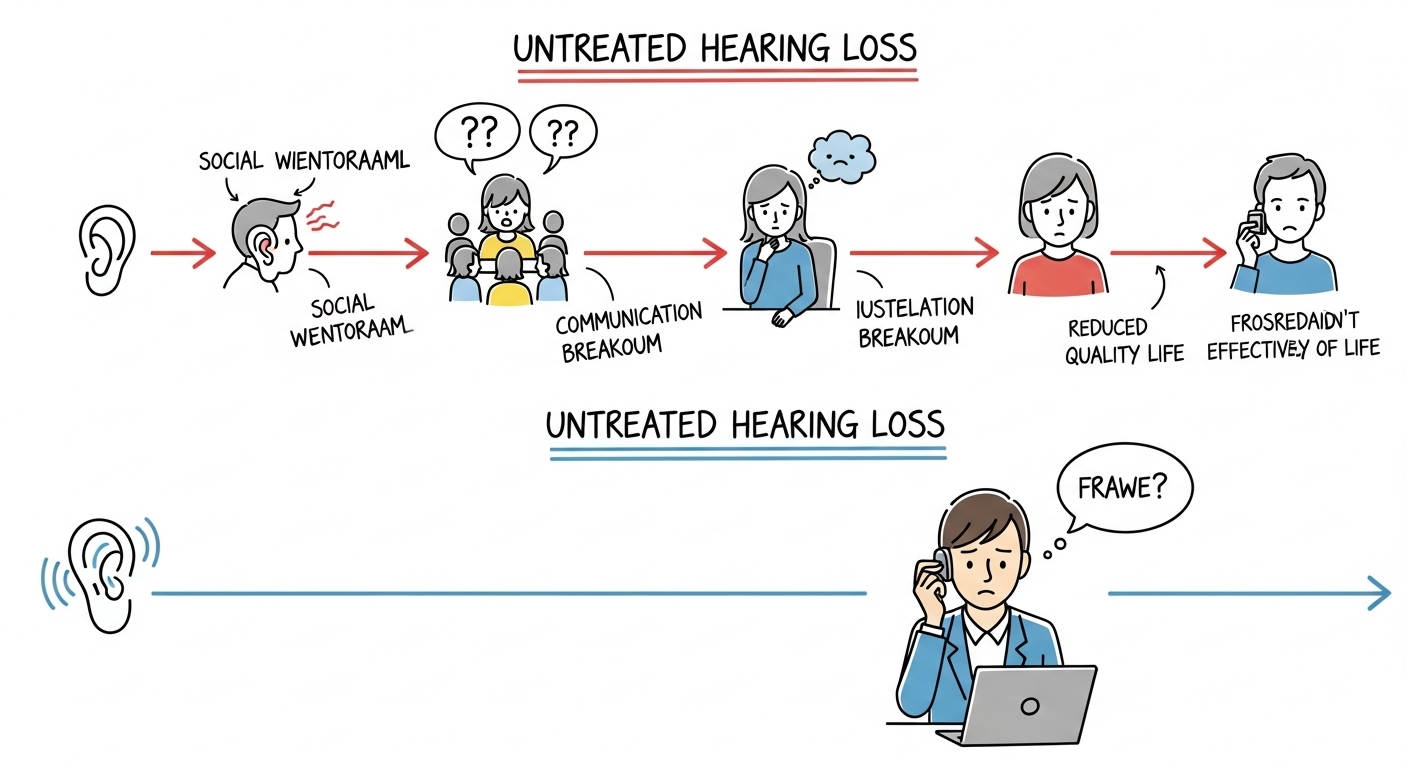 Hearing Test
 Hearing Test
 Hearing Test