
In brief
Not sure if you need a hearing test? Learn the early signs of hearing loss, when to book a home hearing test, and why early detection matters - UK guide.
Key takeaways
- A home hearing assessment considers the listening situations that matter to you.
- Your ears are checked before the hearing tests begin.
- Results and practical next steps are explained during the appointment.
How this guide answers your question
Use these points to move from the concern you noticed to a sensible next step.
Signs You Need a Home Hearing Test – Don’t Ignore These SymptomsHearing changes rarely happen suddenly. For most people, hearing loss develops slowly over time, making it easy to ignore early warning signs. Many people adapt without realising turning up the TV, asking people to repeat themselves, or avoiding noisy environments.
The problem is that delaying a hearing test can allow hearing issues to progress, affecting communication, confidence, and overall quality of life. The good news is that modern hearing care especially home hearing tests makes early detection easier and more comfortable than ever.
In the UK, many adults delay hearing checks for years, often assuming hearing loss is just part of ageing. In reality, early testing can help maintain independence, social connection, and day-to-day comfort.
This guide explains the most common signs you may need a home hearing test, why early action matters, and who benefits most from testing at home.
Why Early Hearing Tests Matter More Than You Think
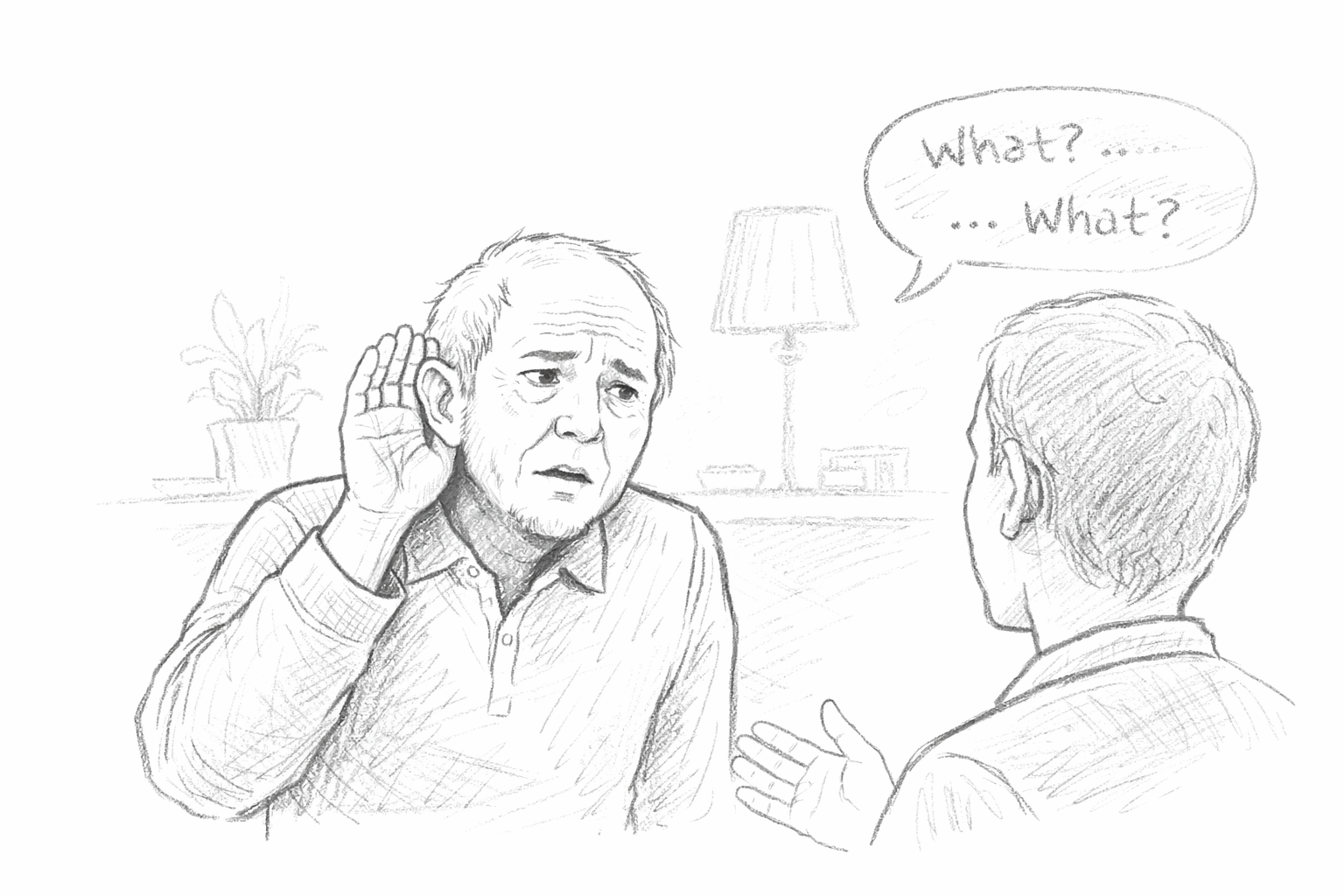
Many people only book a hearing test once hearing loss becomes severe. However, early testing offers major benefits:
- Earlier support options
- Better long-term hearing outcomes
- Easier adjustment to hearing aids if needed
- Reduced social withdrawal risk
- Improved confidence in daily communication
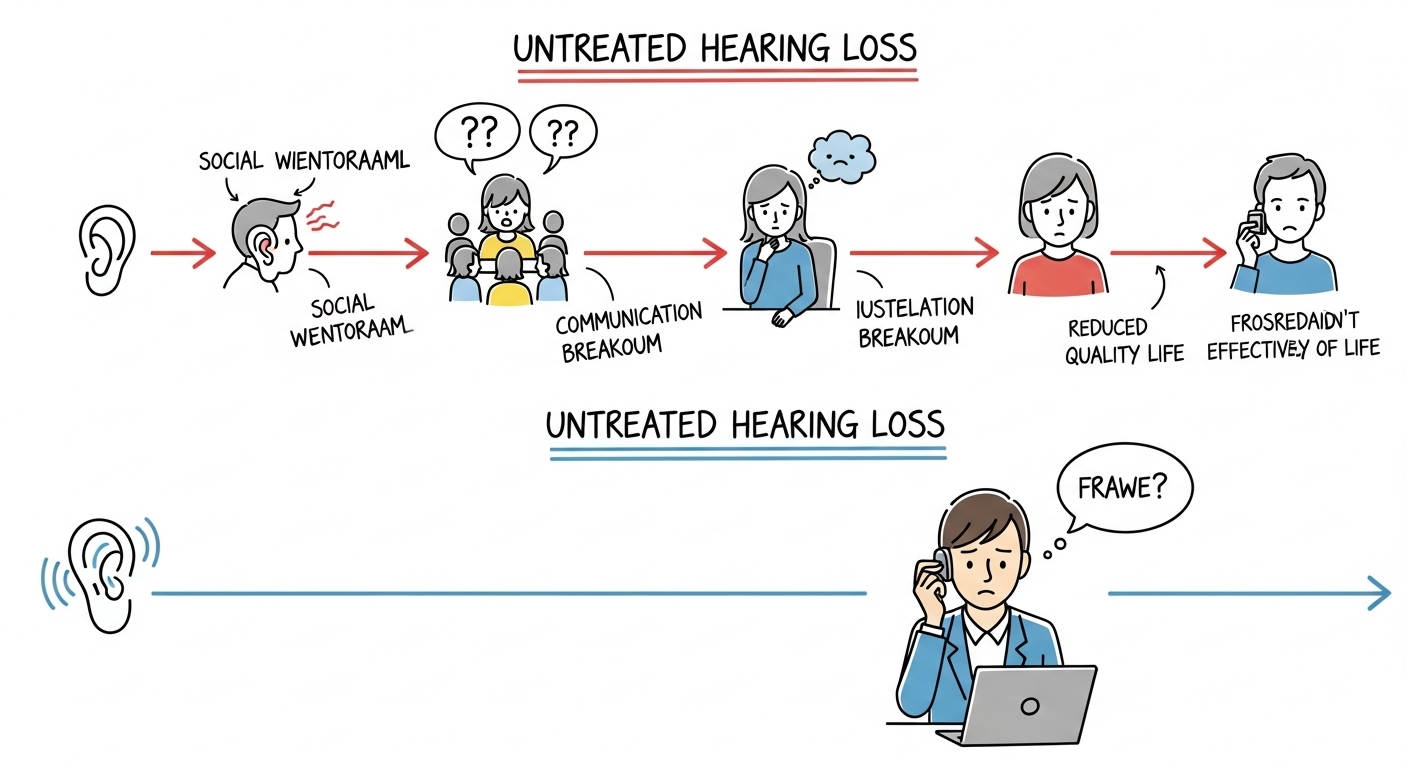
Untreated hearing loss has been linked to social isolation, communication strain, and reduced quality of life. Early intervention helps maintain normal daily routines.
For many people especially older adults or those with mobility concerns home hearing tests remove barriers to getting tested early.
Sign 1: You Ask People to Repeat Themselves Often
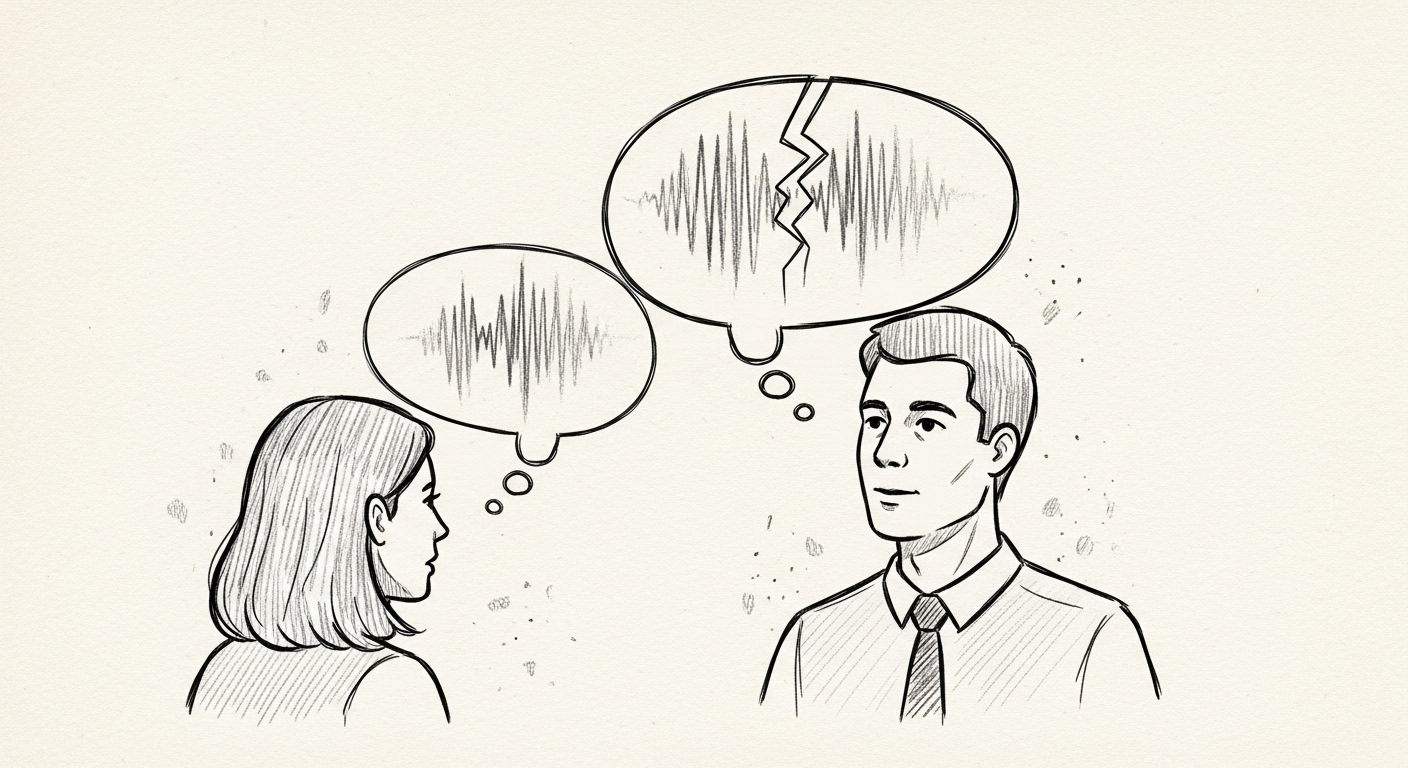
This is one of the earliest and most common symptoms.
You may notice:
- Asking “sorry?” or “what was that?” frequently
- Mishearing similar sounding words
- Struggling to follow group conversations
Often, people around you notice first.
This happens because early hearing loss often affects high-frequency sounds like consonants which help make speech clear.
Sign 2: You Turn the TV or Radio Up Higher Than Others Prefer
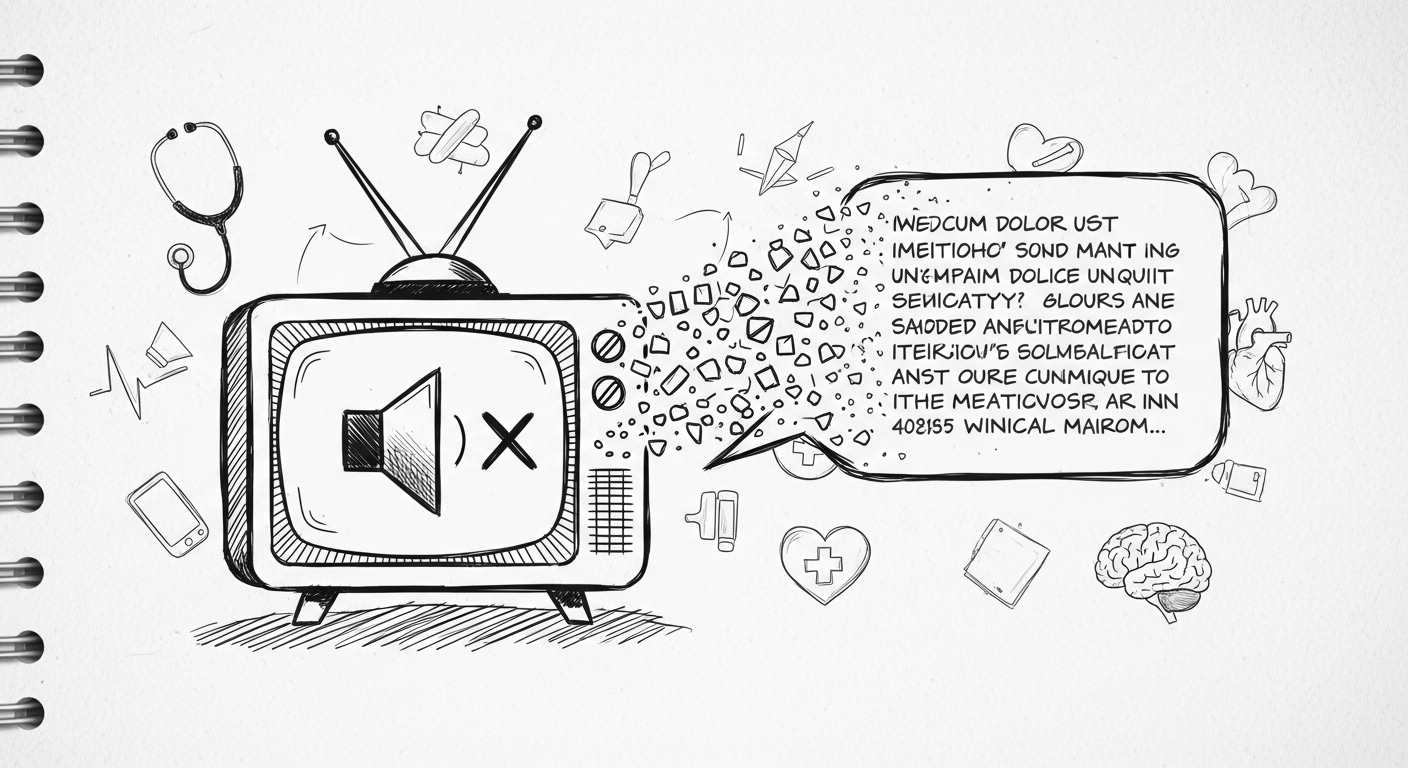
If others say the volume is too loud but it sounds normal to you, this can indicate hearing changes.
Common patterns:
- Gradually increasing volume over time
- Struggling with dialogue but hearing music fine
- Using subtitles more often
This happens because speech clarity becomes harder to process before volume itself becomes an issue.
Sign 3: You Struggle More in Noisy Environments

Many people first notice hearing difficulty in:
- Restaurants
- Family gatherings
- Busy shops
- Public transport
Background noise makes speech harder to separate a key early hearing loss sign.
Sign 4: Phone Conversations Feel Harder
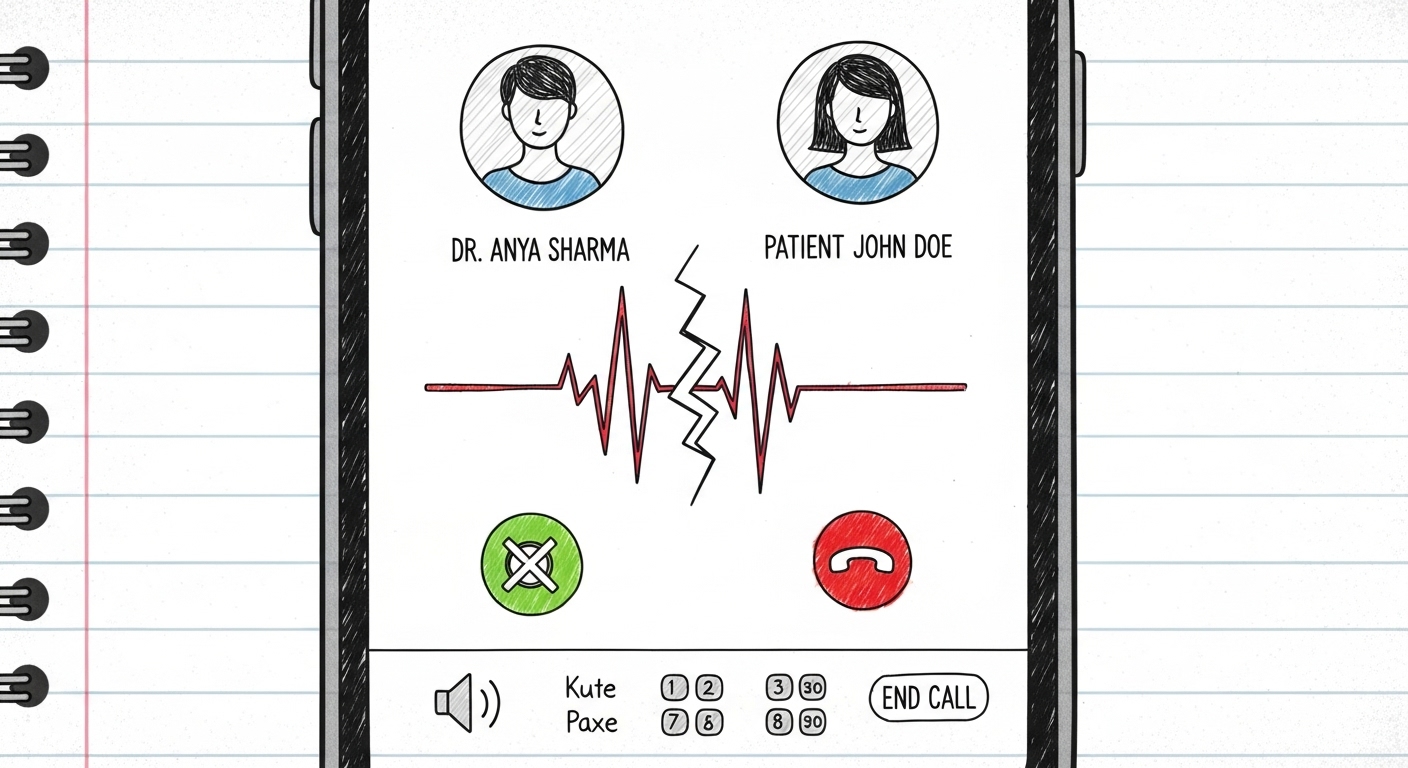
You may notice:
- Struggling without speakerphone
- Avoiding phone calls
- Misunderstanding numbers or names
Phones remove visual cues, making hearing loss more noticeable.
Sign 5: You Feel Listening Fatigue
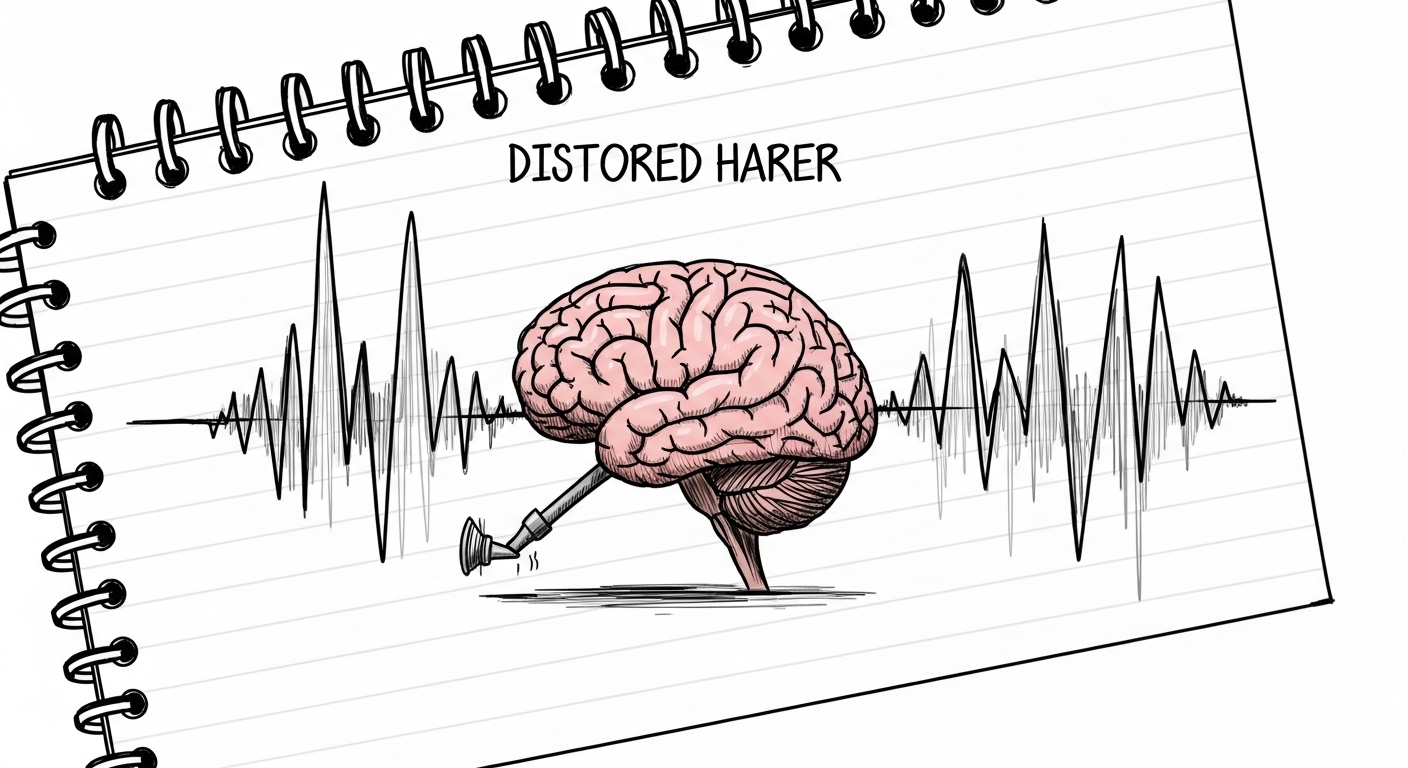
Many people don’t realise hearing loss can be exhausting.
Listening fatigue symptoms:
- Feeling tired after conversations
- Needing quiet time after social events
- Struggling to focus on speech
Your brain works harder to fill missing sound gaps.
Sign 6: You Experience Ringing or Tinnitus
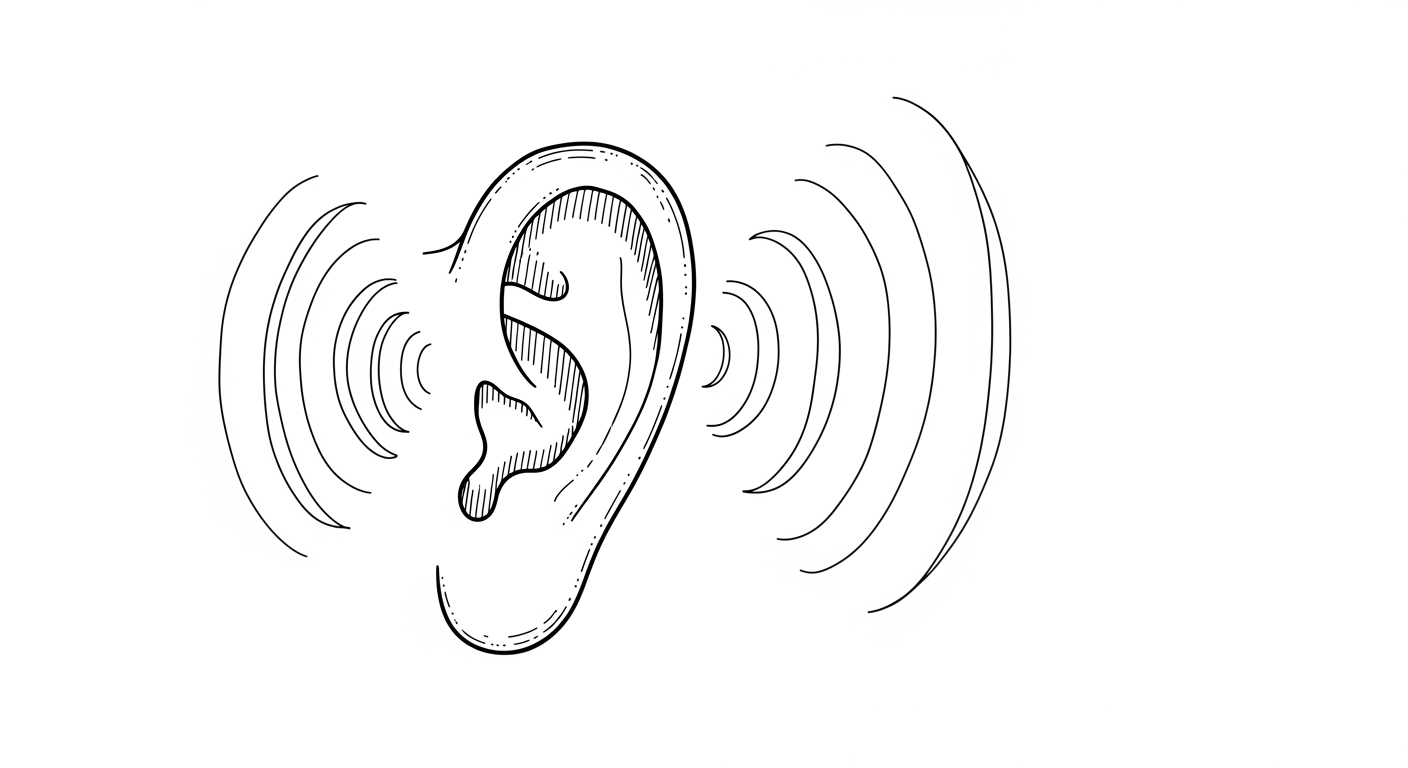
Tinnitus (ringing, buzzing, or humming sounds) often appears alongside hearing changes.
It doesn’t always mean hearing loss but it’s a strong reason to book a hearing test.
Sign 7: Friends or Family Say You’re Missing Things
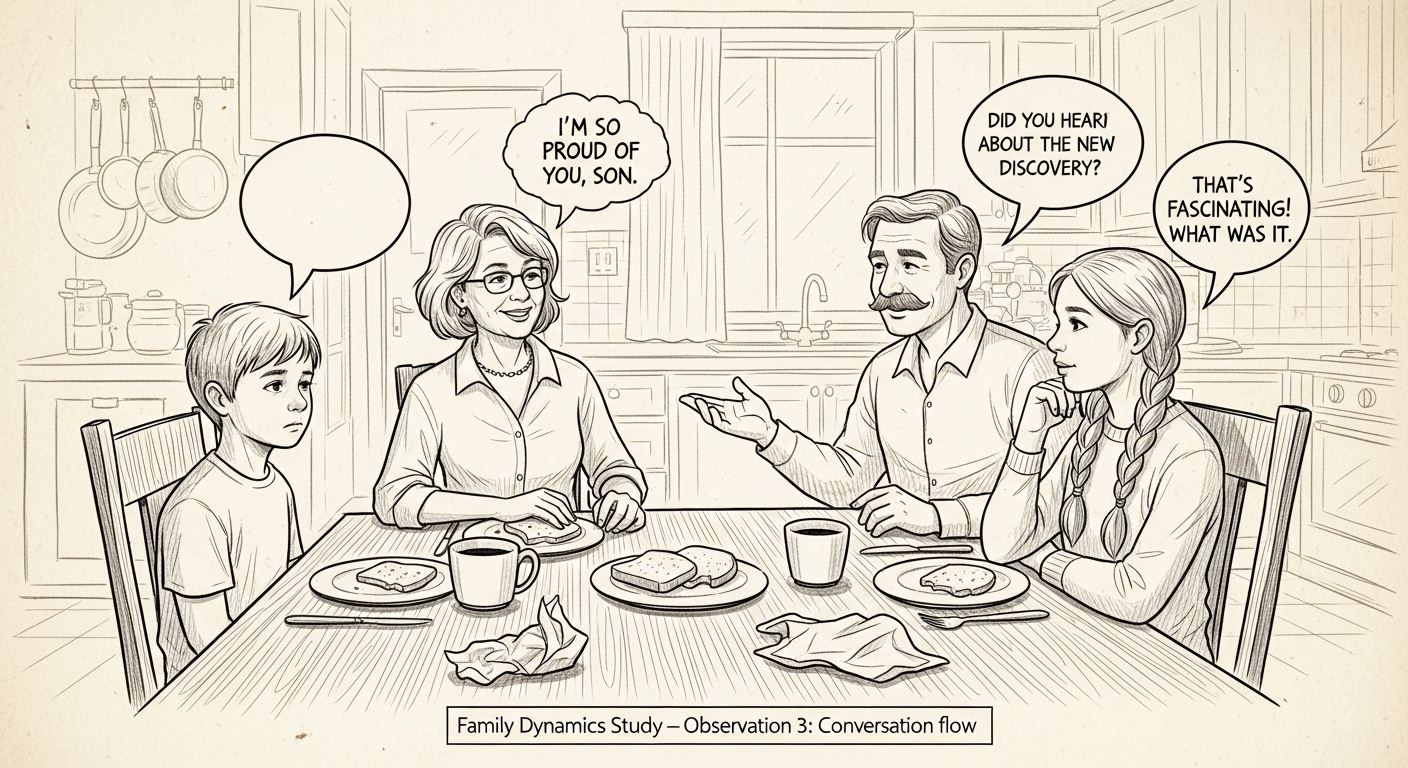
Often loved ones notice first.
Common comments:
- “You didn’t hear me call you”
- “The TV is too loud”
- “You missed part of that conversation”
Outside perspective is valuable don’t ignore it.
Who Should Consider a Home Hearing Test First?
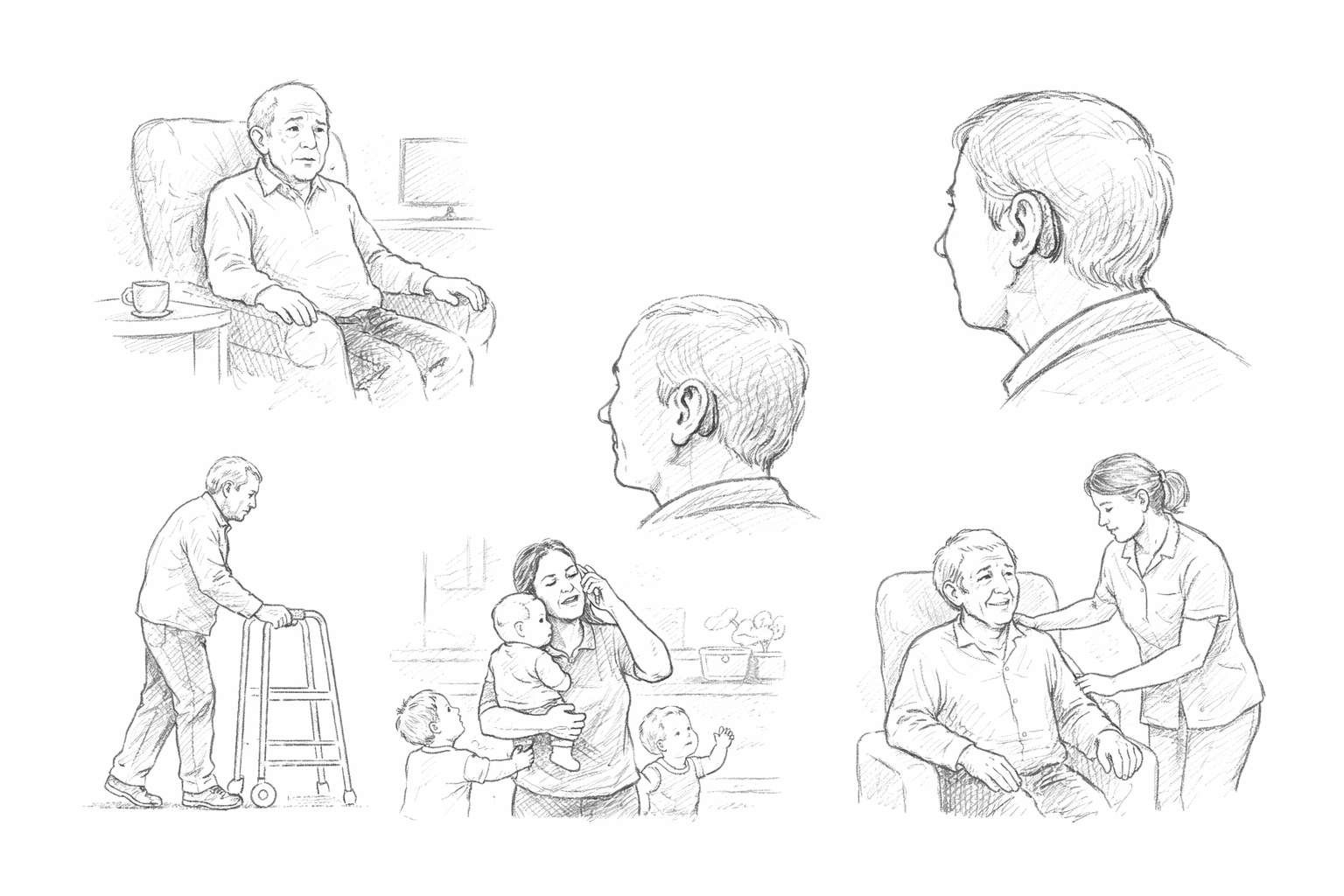
Home hearing tests are ideal for:
Older Adults
Hearing changes naturally increase with age.
Hearing Aid Users
Regular checks maintain device performance.
People with Mobility Challenges
Removes travel stress.
Busy Households
Convenient, flexible appointments.
Care Home Residents
Comfortable, familiar environment testing.
Why Home Hearing Tests Are Growing in the UK
Benefits include:
- No travel required
- Comfortable environment
- More relaxed testing experience
- Personalised care time
- Family can attend
Many patients feel more relaxed at home, leading to better testing accuracy.
What Happens During a Home Hearing Test?
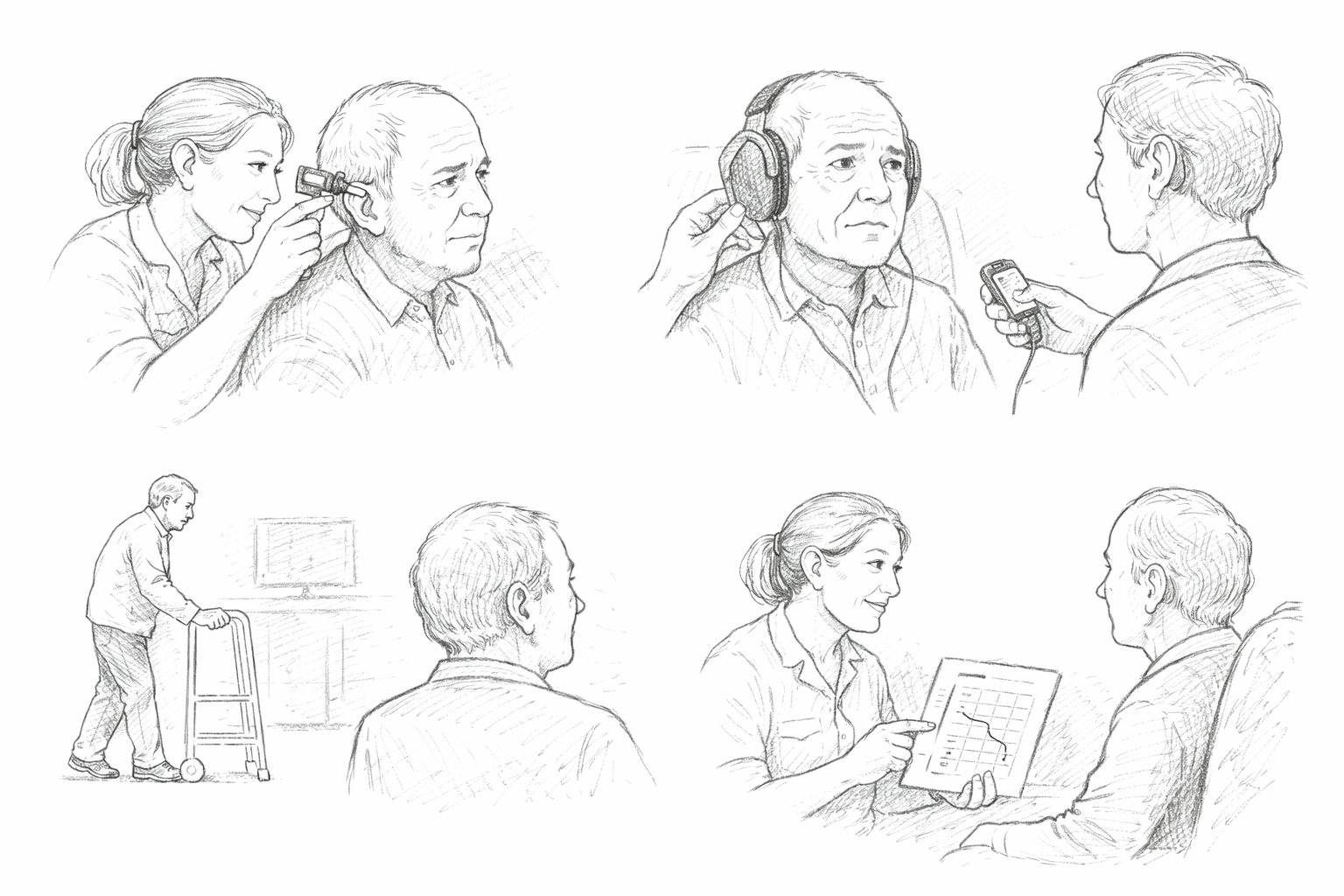
Typical process includes:
Ear Health Check
Looking for wax or blockage.
Hearing Assessment
Measuring hearing across frequencies.
Results Explanation
Clear, simple explanation.
Next Step Advice
If support or hearing aids are needed.
When Should You Book a Hearing Test?

It’s easy to put off a hearing test, especially if symptoms feel mild at first. However, early assessment can prevent further difficulties and help you stay confident in everyday communication.
You should book a hearing test if hearing concerns:
- Last longer than 2–3 months
Ongoing difficulty hearing conversations, TV, or phone calls may indicate an underlying issue that won’t resolve on its own. - Suddenly worsen
Any rapid change in hearing, new ringing in the ears, or a feeling of blockage should be checked as soon as possible. - Begin to affect daily life
Struggling in conversations, avoiding social situations, or feeling frustrated or tired from listening effort are key signs to seek help.
Routine Hearing Checks
Even without noticeable symptoms, annual hearing tests are recommended from age 60 onwards. Regular checks help detect gradual changes early, making treatment simpler and more effective.
If you’re unsure whether your symptoms warrant a test, booking an assessment can offer reassurance and clear guidance on next steps.
Common Reasons People Delay Hearing Tests
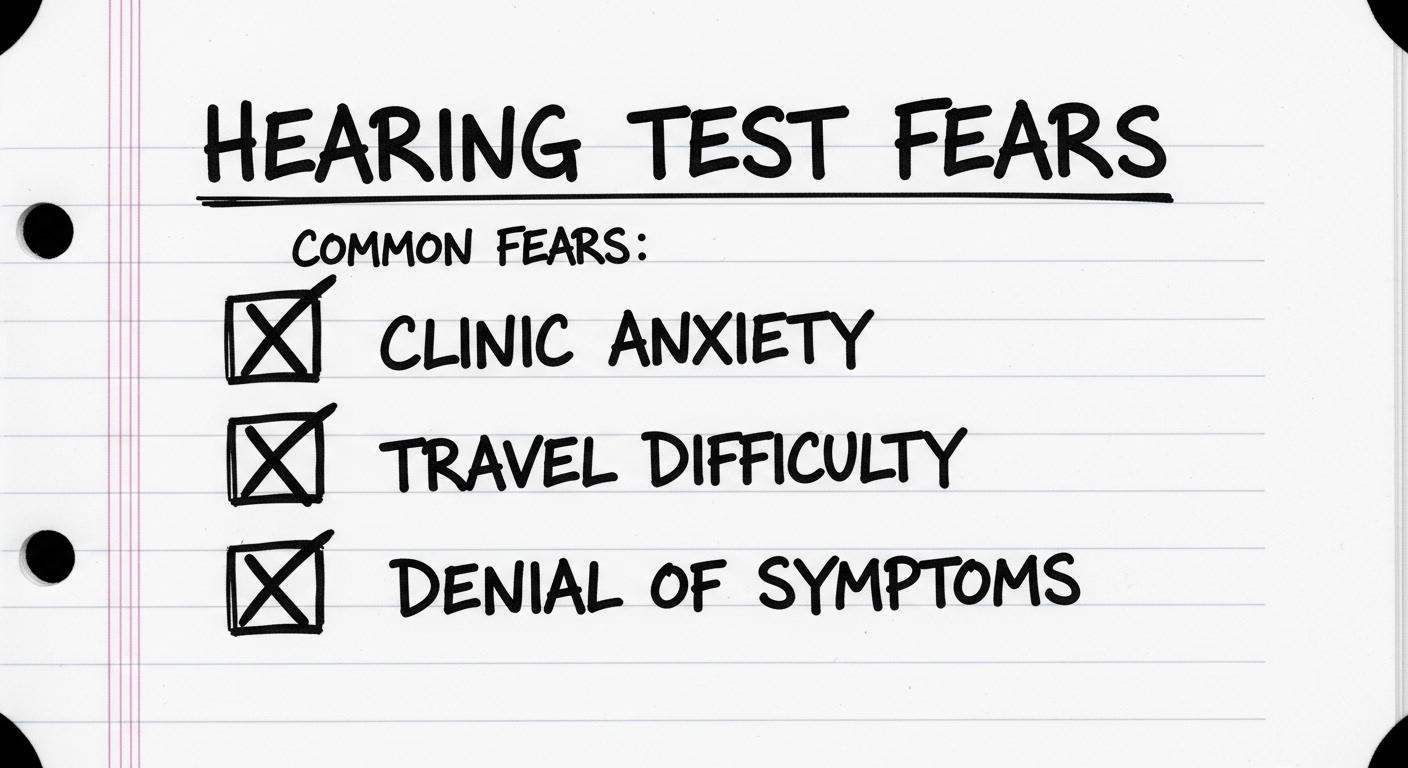
- Thinking hearing loss is normal ageing
- Not wanting hearing aids
- Not noticing gradual change
- Worry about clinic visits
Home testing removes many of these barriers.
The Cost of Ignoring Early Hearing Symptoms
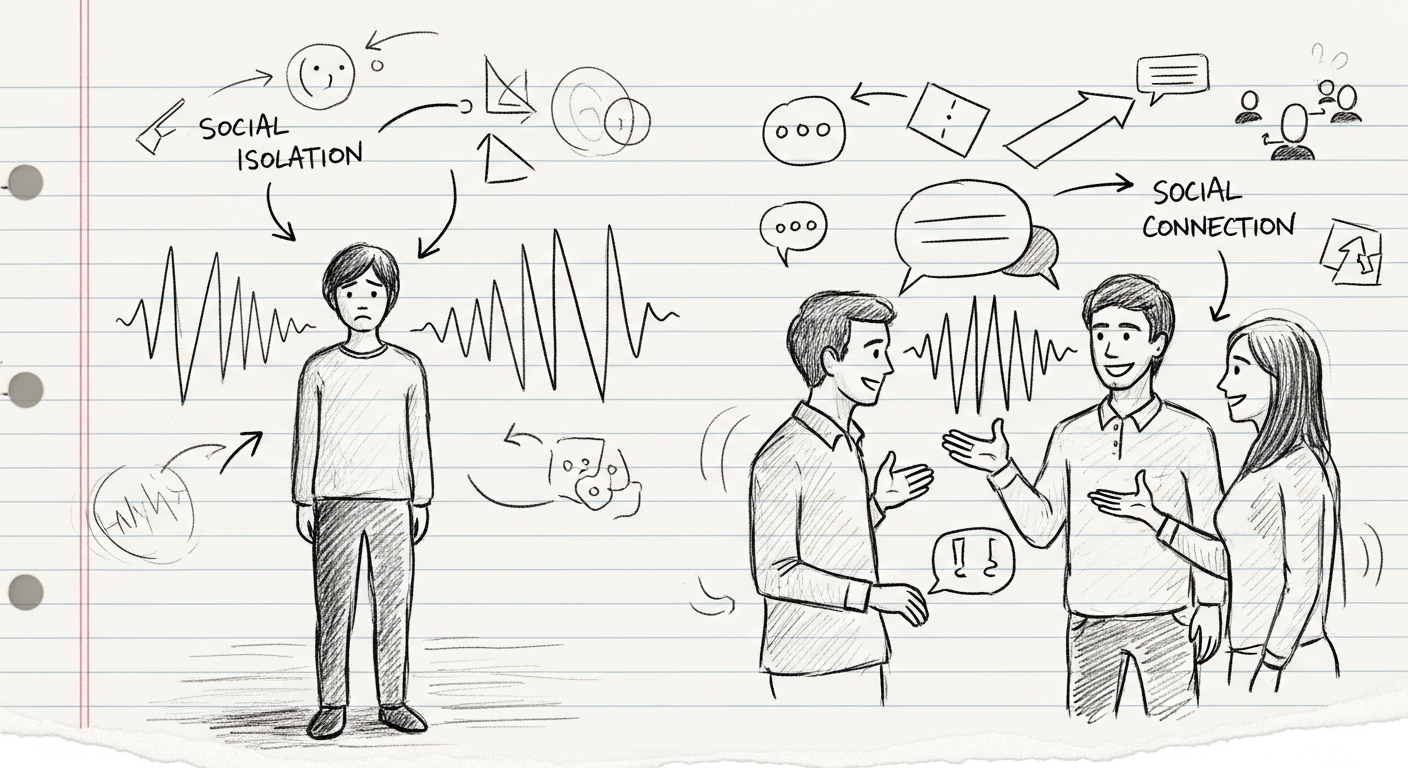
Delayed care can lead to:
- Communication frustration
- Social withdrawal
- Reduced confidence
- Increased listening fatigue
Early testing helps prevent long-term impact.
FAQs
How long does a home hearing test take?
Usually 45–60 minutes.
Is a home hearing test accurate?
Yes — professional equipment and processes are used.
Do I need wax removal first?
Sometimes ear health checks determine this.
Do home tests cost more?
Often similar or included with hearing care plans.
Final Checklist – Signs You Should Book a Hearing Test
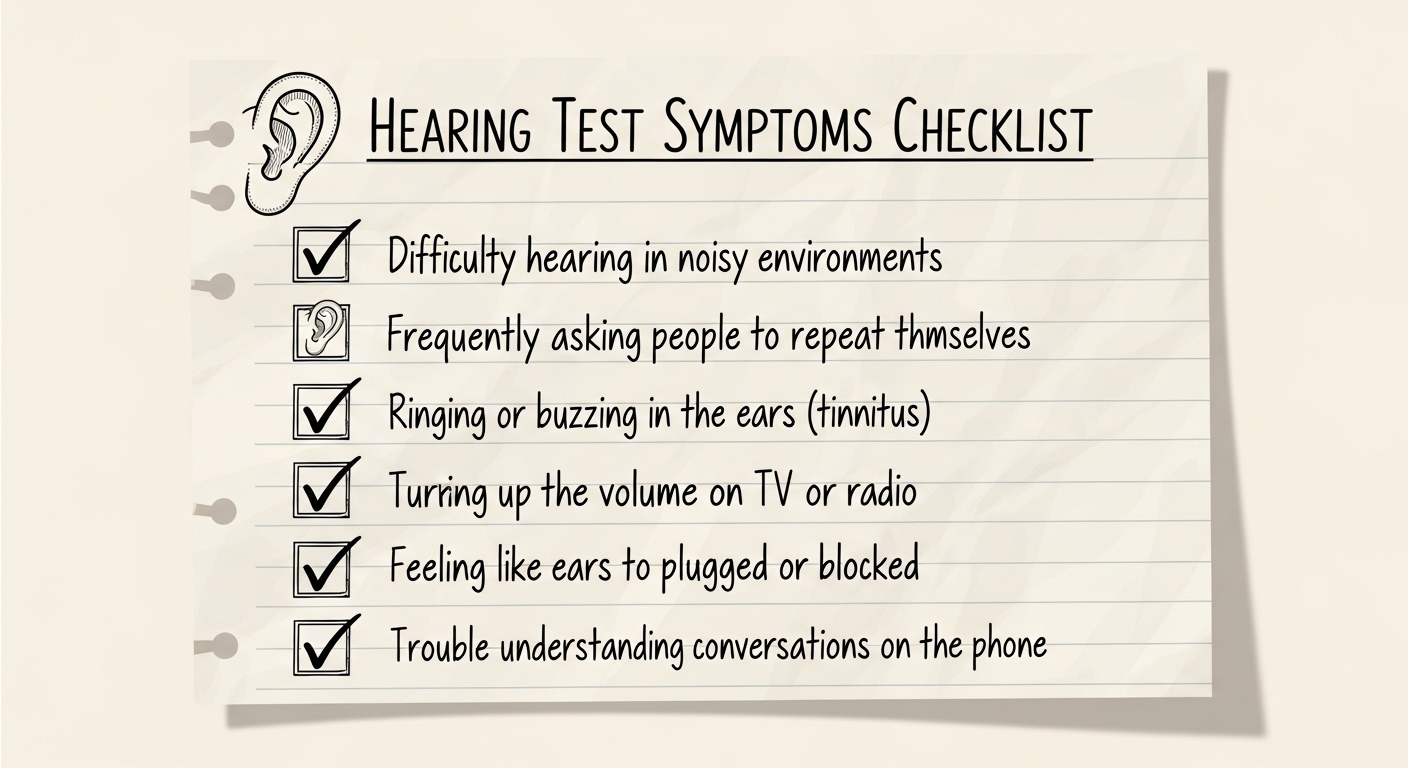
✔ Asking people to repeat
✔ TV volume increasing
✔ Struggling in noise
✔ Listening fatigue
✔ Tinnitus
✔ Family noticing changes
Conclusion
Hearing loss rarely appears suddenly. It develops gradually often unnoticed until it affects daily life.
Recognising early symptoms and booking a home hearing test can protect communication, confidence, and independence.
Modern hearing care is discreet, comfortable, and easier than ever especially with home testing options.
Taking action early is one of the best steps you can take for long-term hearing health.
For appointment information rather than general guidance, see Arrange a home hearing test. Check current postcode coverage before arranging a visit.
What a home hearing assessment can clarify
A hearing assessment connects everyday listening difficulties with measured results and practical next steps.
| Part of the visit | What it explores | Why it matters |
|---|---|---|
| Conversation and history | Changes, priorities and listening situations | Keeps the assessment relevant to everyday life |
| Ear examination | Visible wax and the condition of the outer ear | Helps identify whether another step is needed first |
| Appropriate hearing tests | Responses to sounds across useful frequencies | Provides results that can be explained and discussed |
Would a hearing assessment help?
Explore private hearing tests carried out at home, with results explained clearly.
Arrange a home hearing test → Hearing Test
 Hearing Test
 Hearing Test