
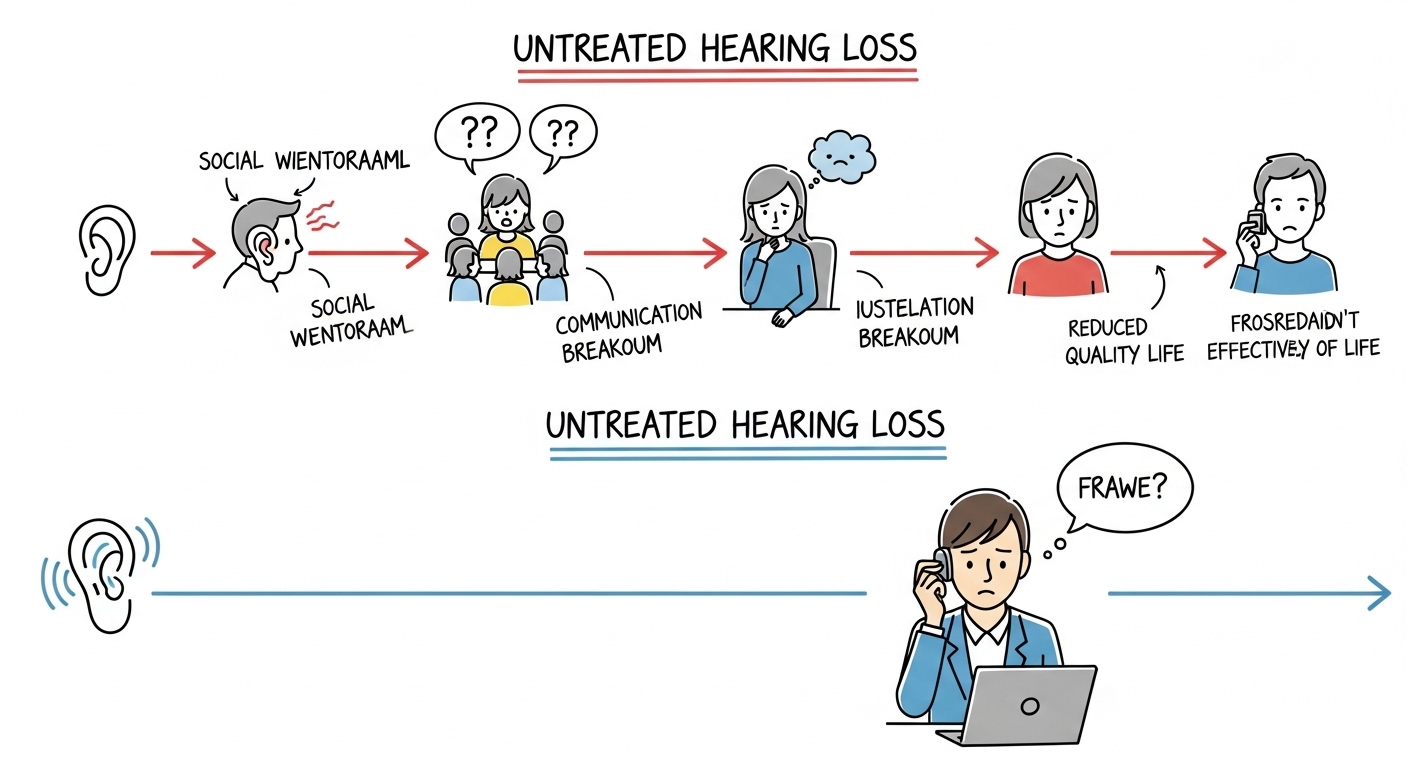
Hearing changes rarely happen suddenly. For most people, hearing loss develops slowly over time, making it easy to ignore early warning signs. Many people adapt without realising turning up the TV, asking people to repeat themselves, or avoiding noisy environments.
The problem is that delaying a hearing test can allow hearing issues to progress, affecting communication, confidence, and overall quality of life. The good news is that modern hearing care especially home hearing tests makes early detection easier and more comfortable than ever.
In the UK, many adults delay hearing checks for years, often assuming hearing loss is just part of ageing. In reality, early testing can help maintain independence, social connection, and day-to-day comfort.
This guide explains the most common signs you may need a home hearing test, why early action matters, and who benefits most from testing at home.
Many people only book a hearing test once hearing loss becomes severe. However, early testing offers major benefits:
Untreated hearing loss has been linked to social isolation, communication strain, and reduced quality of life. Early intervention helps maintain normal daily routines.
For many people especially older adults or those with mobility concerns home hearing tests remove barriers to getting tested early.
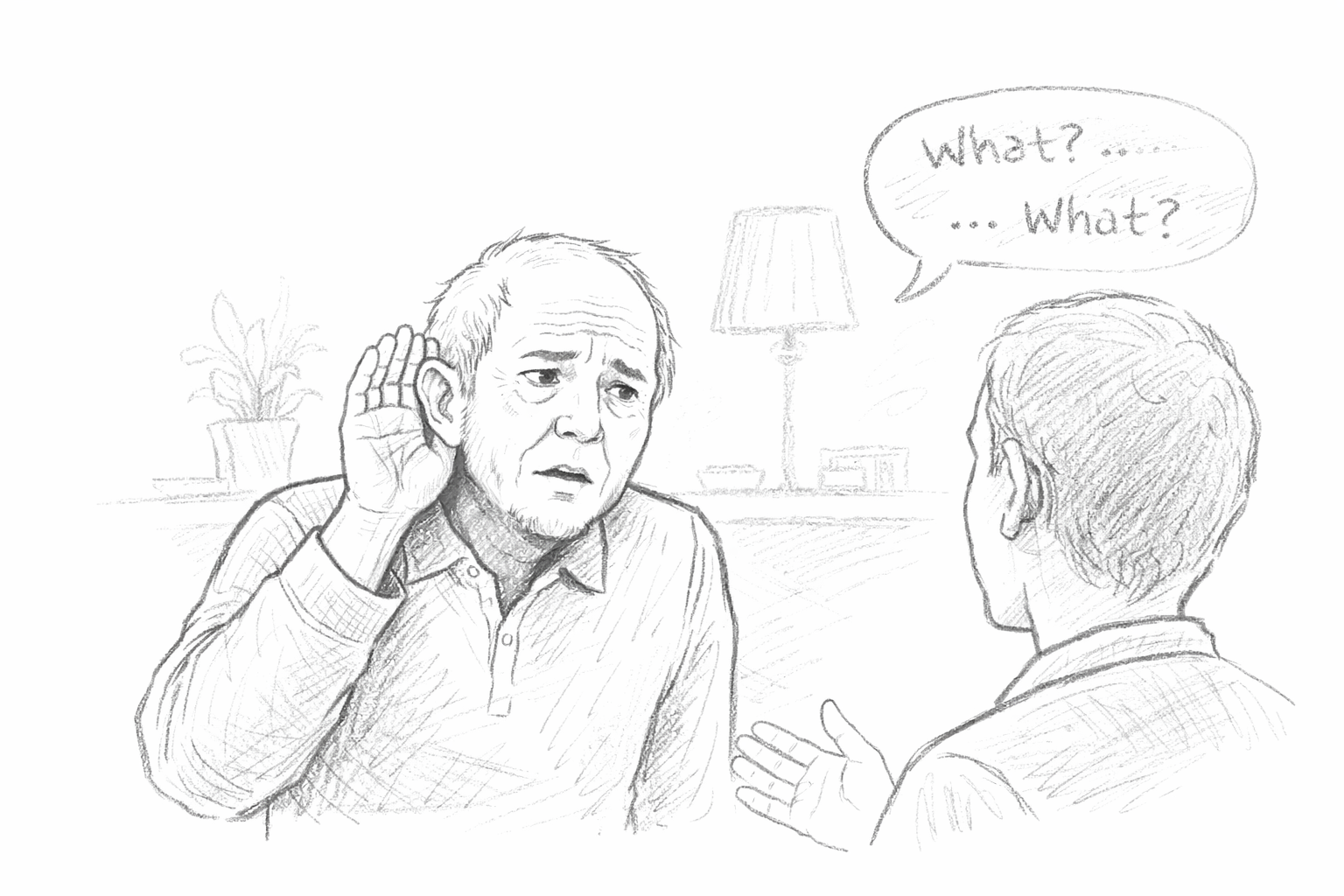
This is one of the earliest and most common symptoms.
You may notice:
Often, people around you notice first.
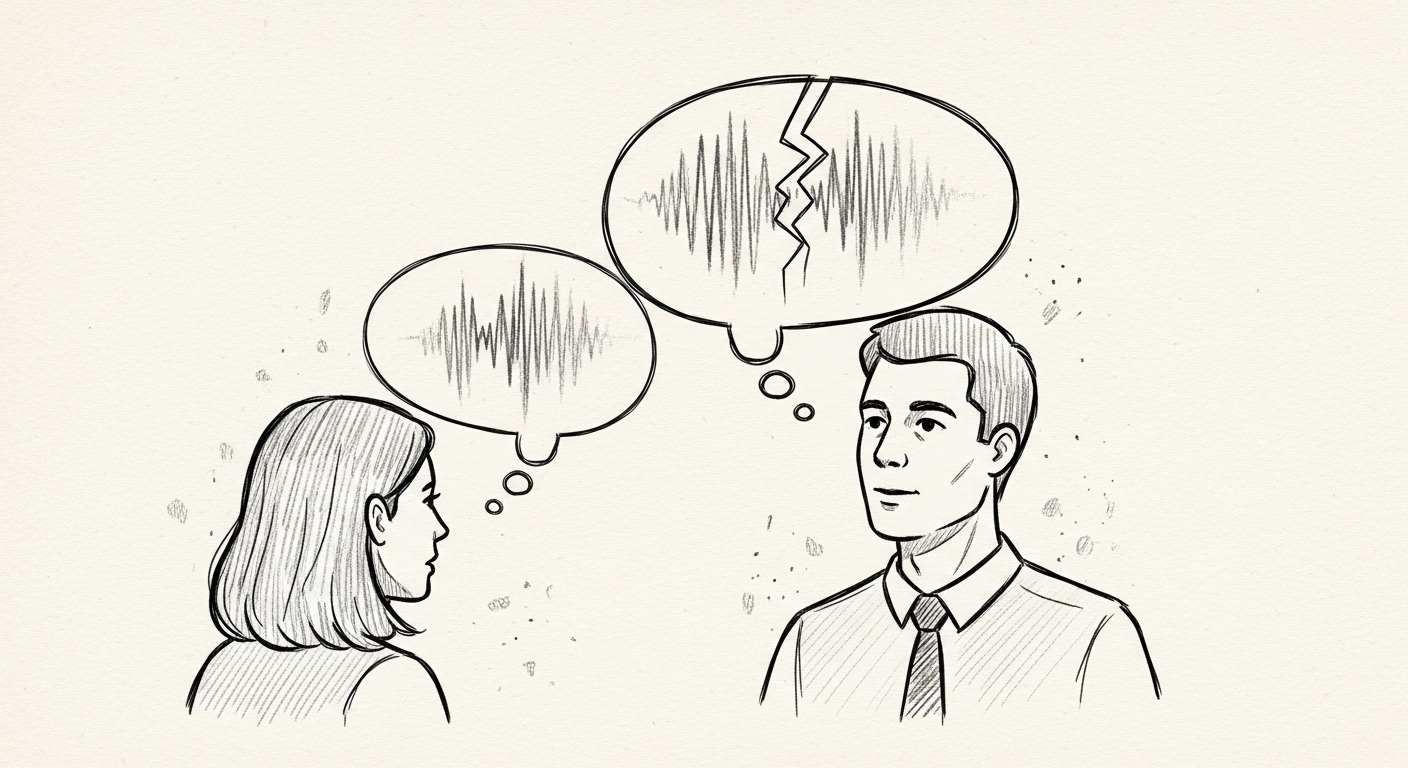
This happens because early hearing loss often affects high-frequency sounds like consonants which help make speech clear.
If others say the volume is too loud but it sounds normal to you, this can indicate hearing changes.
Common patterns:
This happens because speech clarity becomes harder to process before volume itself becomes an issue.

Many people first notice hearing difficulty in:
Background noise makes speech harder to separate a key early hearing loss sign.
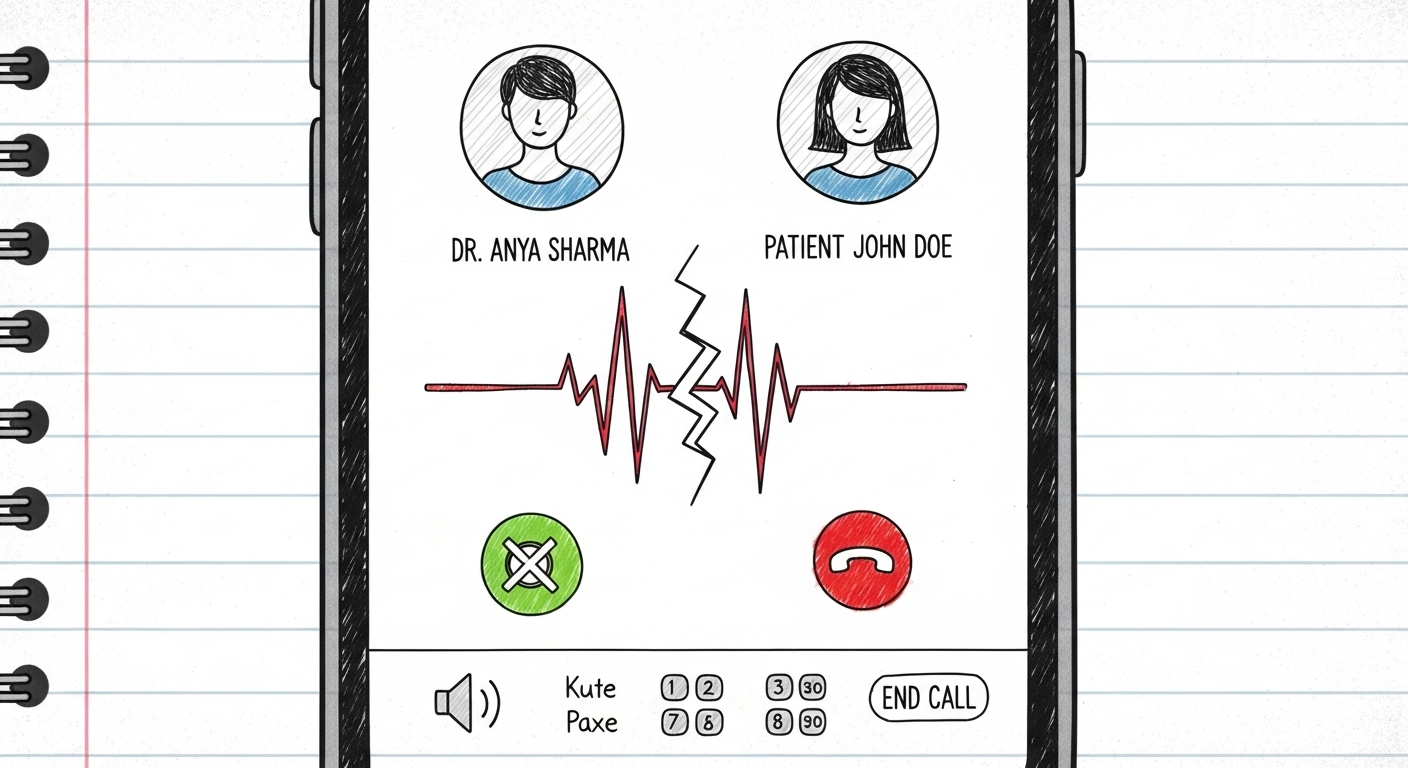
You may notice:
Phones remove visual cues, making hearing loss more noticeable.
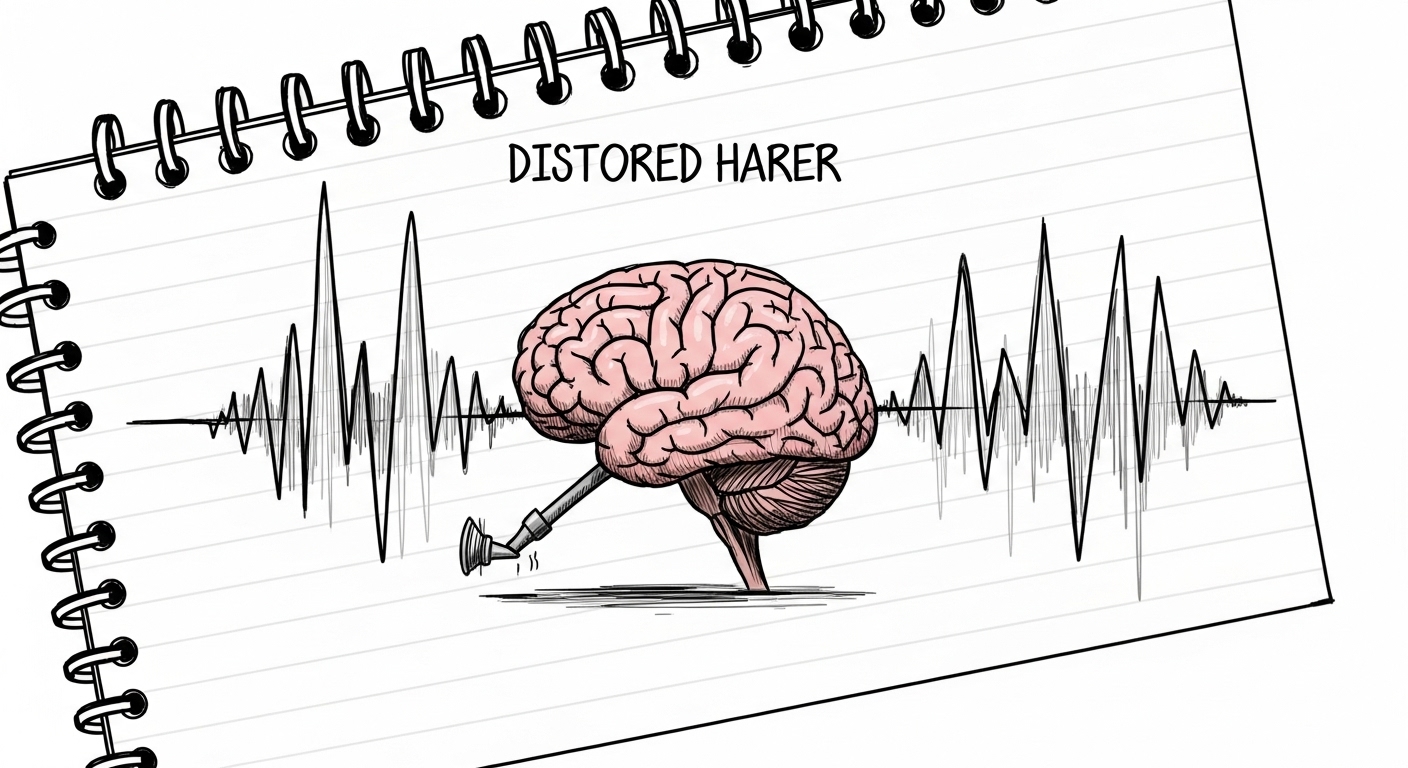
Many people don’t realise hearing loss can be exhausting.
Listening fatigue symptoms:
Your brain works harder to fill missing sound gaps.
Tinnitus (ringing, buzzing, or humming sounds) often appears alongside hearing changes.
It doesn’t always mean hearing loss but it’s a strong reason to book a hearing test.
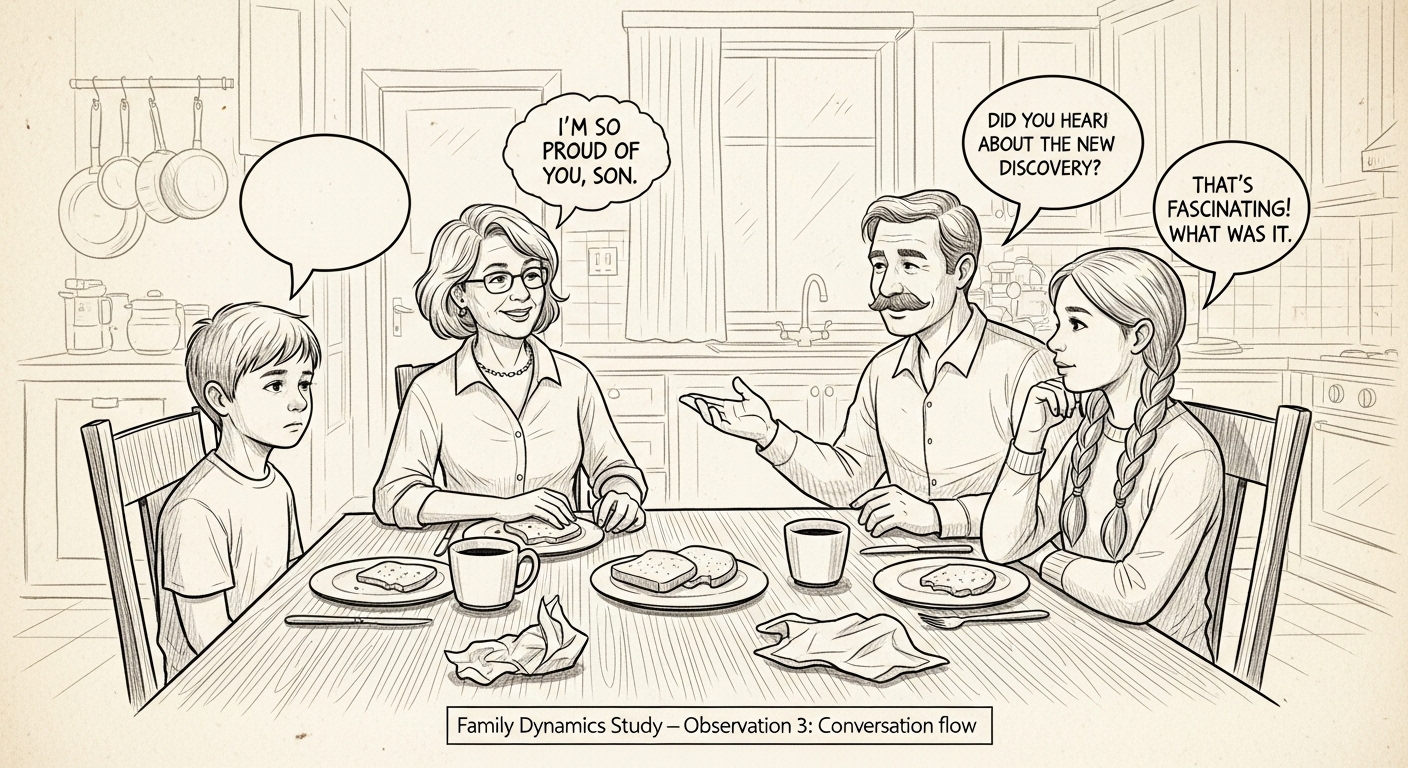
Often loved ones notice first.
Common comments:
Outside perspective is valuable don’t ignore it.
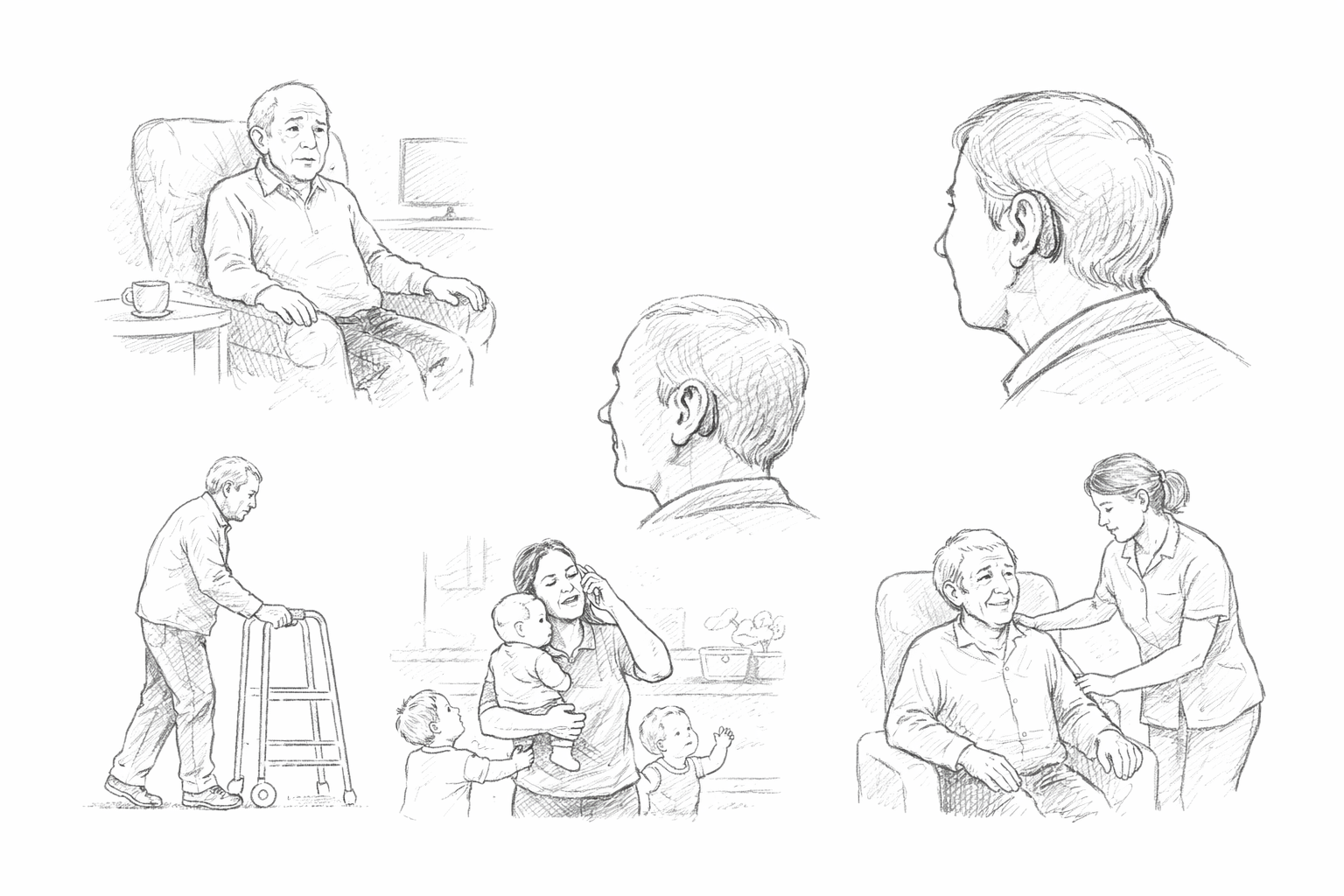
Home hearing tests are ideal for:
Older Adults
Hearing changes naturally increase with age.
Hearing Aid Users
Regular checks maintain device performance.
People with Mobility Challenges
Removes travel stress.
Busy Households
Convenient, flexible appointments.
Care Home Residents
Comfortable, familiar environment testing.
Benefits include:
Many patients feel more relaxed at home, leading to better testing accuracy.
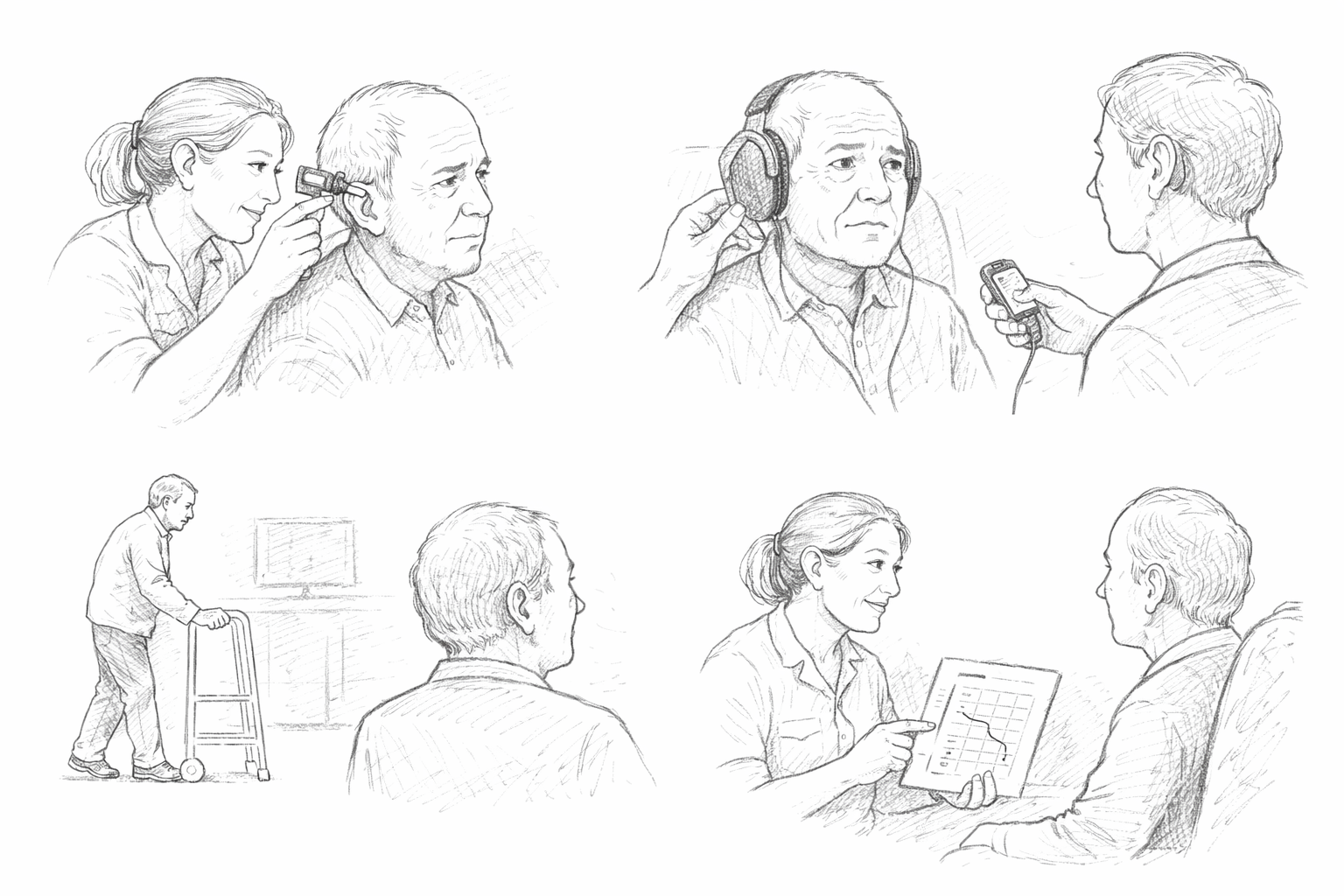
Typical process includes:
Ear Health Check
Looking for wax or blockage.
Hearing Assessment
Measuring hearing across frequencies.
Results Explanation
Clear, simple explanation.
Next Step Advice
If support or hearing aids are needed.

It’s easy to put off a hearing test, especially if symptoms feel mild at first. However, early assessment can prevent further difficulties and help you stay confident in everyday communication.
You should book a hearing test if hearing concerns:
Even without noticeable symptoms, annual hearing tests are recommended from age 60 onwards. Regular checks help detect gradual changes early, making treatment simpler and more effective.
If you’re unsure whether your symptoms warrant a test, booking an assessment can offer reassurance and clear guidance on next steps.
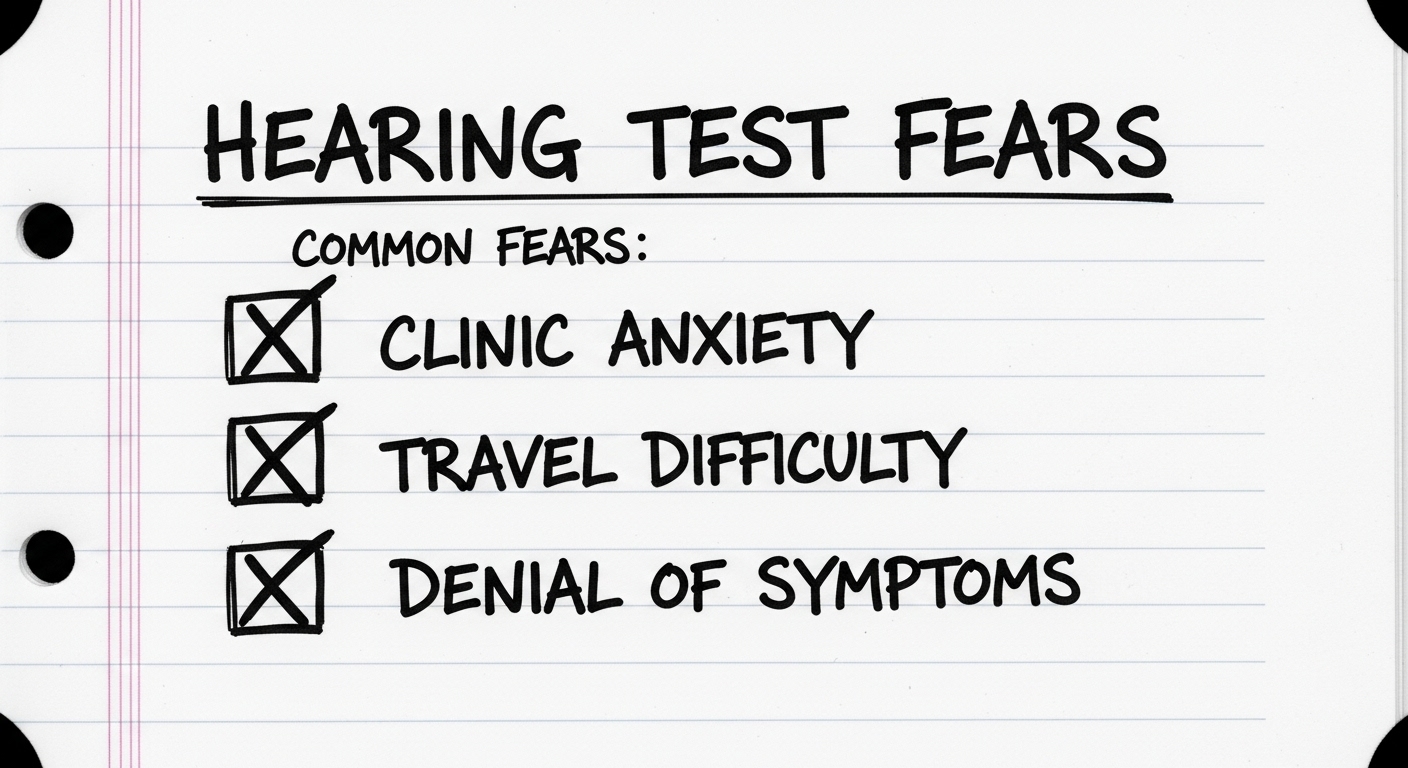
Home testing removes many of these barriers.
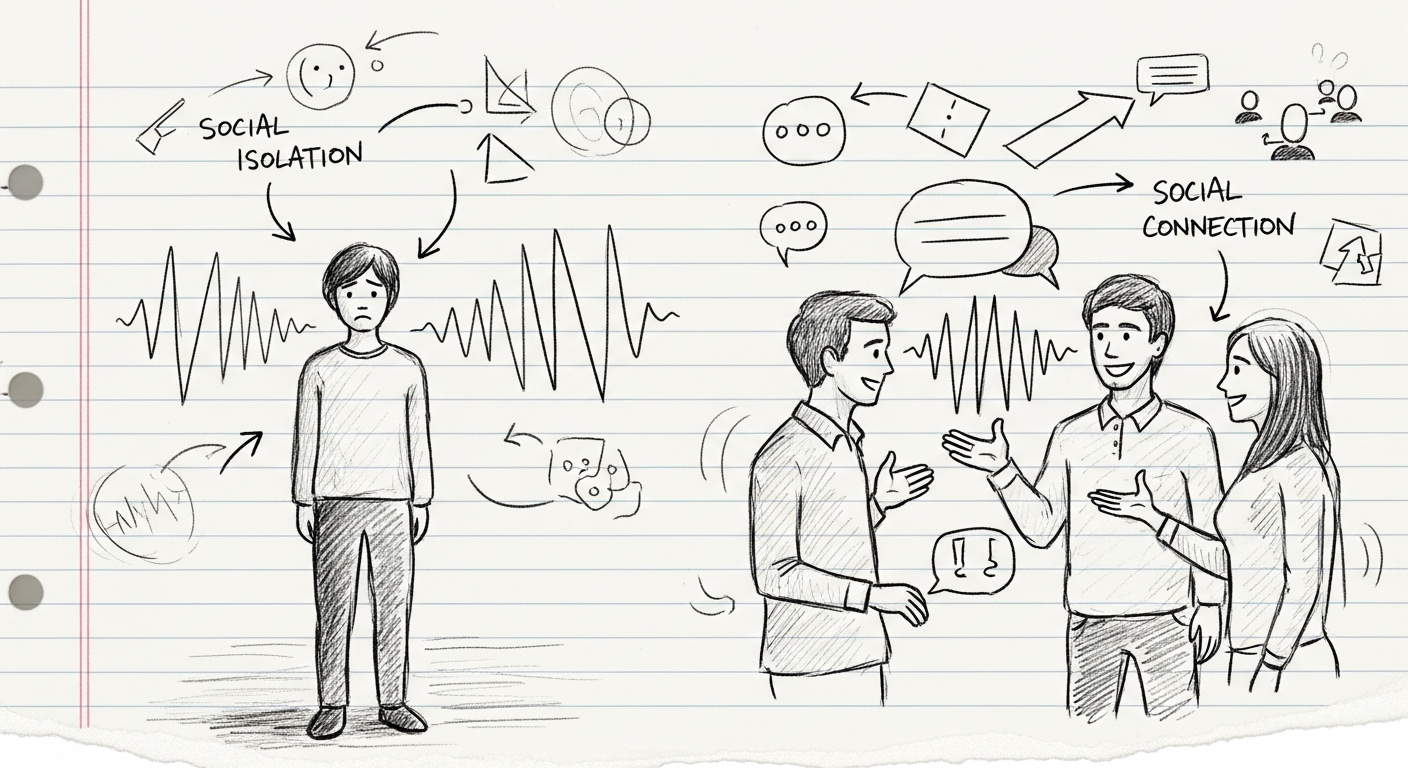
Delayed care can lead to:
Early testing helps prevent long-term impact.
How long does a home hearing test take?
Usually 45–60 minutes.
Is a home hearing test accurate?
Yes — professional equipment and processes are used.
Do I need wax removal first?
Sometimes ear health checks determine this.
Do home tests cost more?
Often similar or included with hearing care plans.
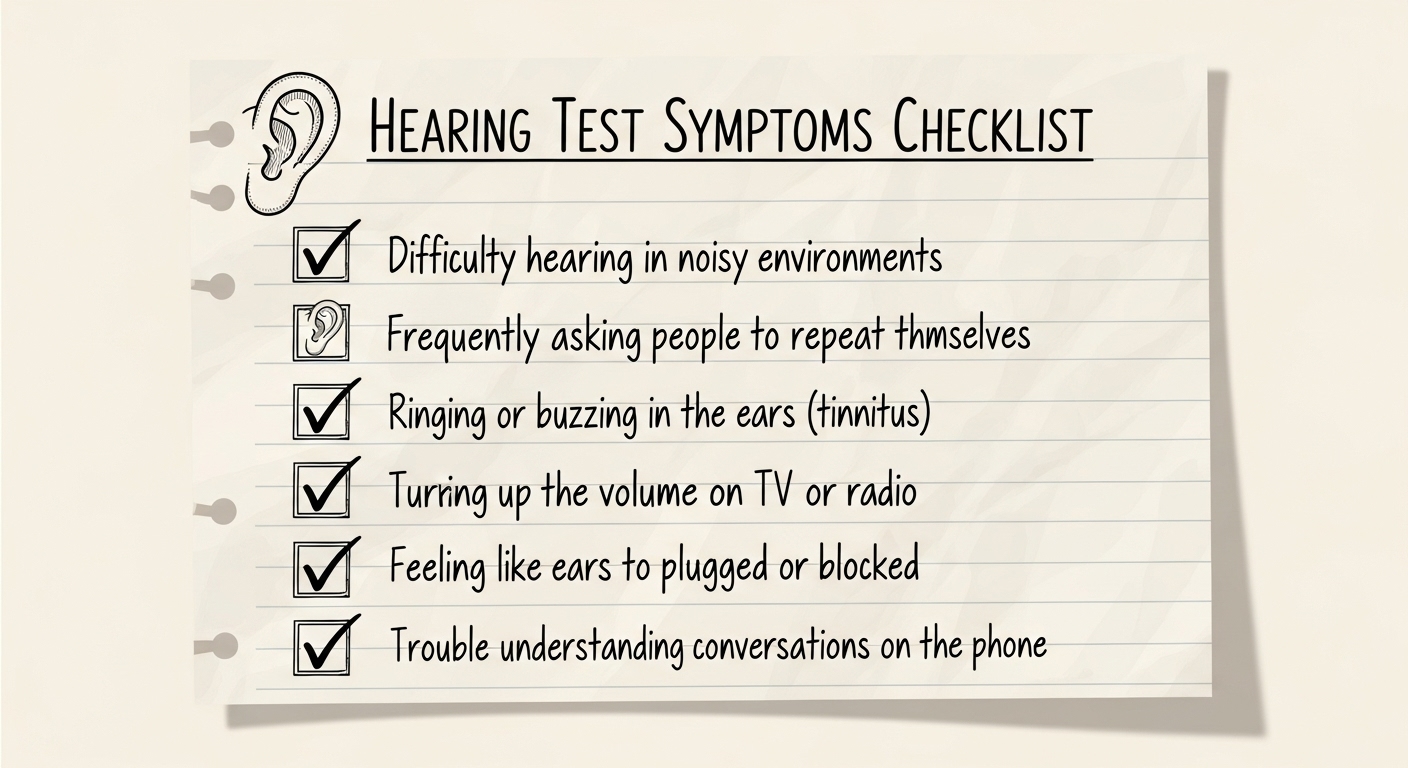
✔ Asking people to repeat
✔ TV volume increasing
✔ Struggling in noise
✔ Listening fatigue
✔ Tinnitus
✔ Family noticing changes
Hearing loss rarely appears suddenly. It develops gradually often unnoticed until it affects daily life.
Recognising early symptoms and booking a home hearing test can protect communication, confidence, and independence.
Modern hearing care is discreet, comfortable, and easier than ever especially with home testing options.
Taking action early is one of the best steps you can take for long-term hearing health.