

In brief
Understanding your hearing is the first step. An assessment, practical communication changes and suitable hearing aids where appropriate can help you manage everyday listening, but support should reflect your individual results and needs.
Key takeaways
- Hearing aids are selected using your hearing results and everyday listening needs.
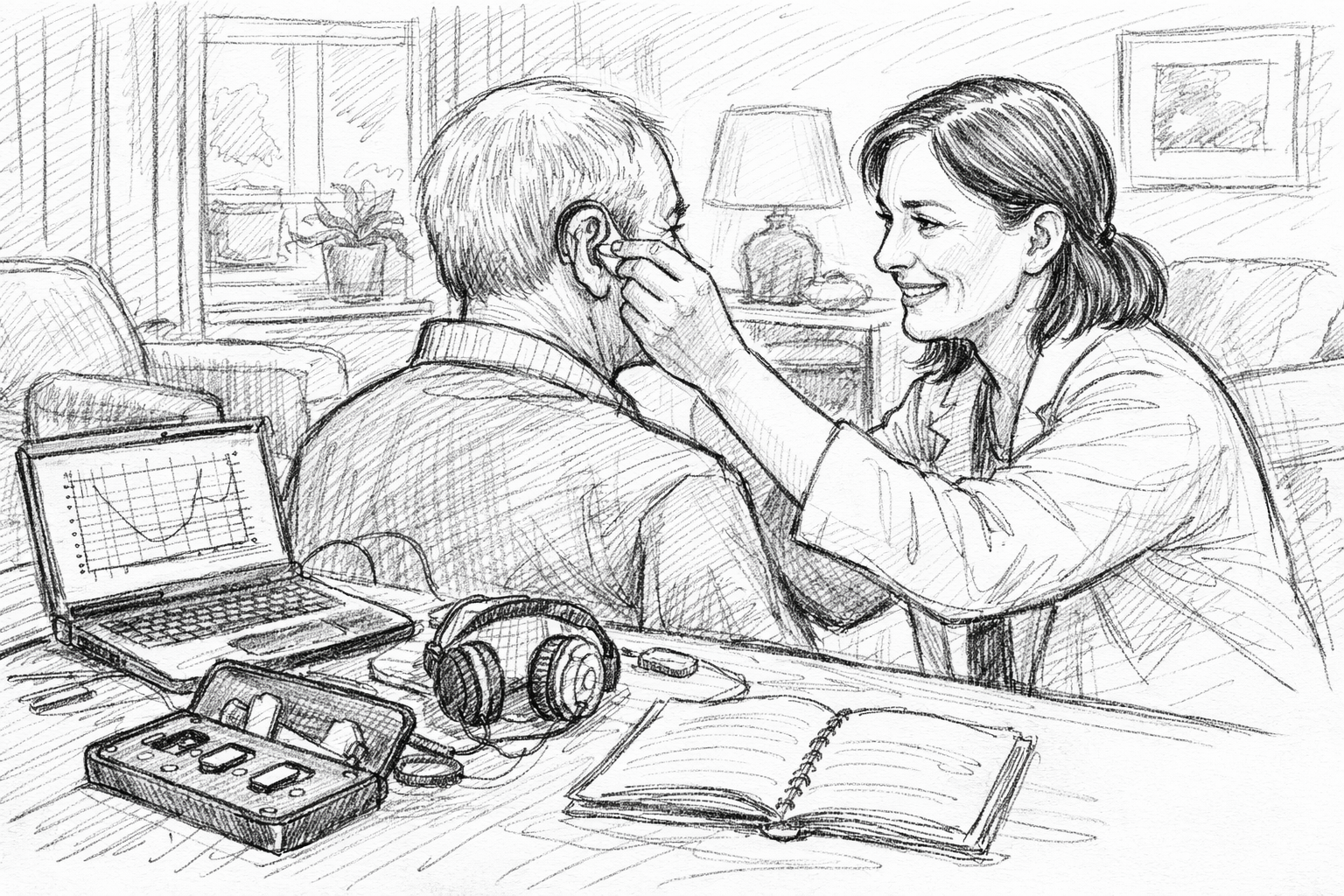
- Devices can be fitted and programmed in your own surroundings.
- Follow-up adjustments and aftercare support comfortable long-term use.
How this guide answers your question
Use these points to move from the concern you noticed to a sensible next step.
How Hearing Support Can Help Everyday ConversationsUnderstanding your hearing is the first step. An assessment, practical communication changes and suitable hearing aids where appropriate can help you manage everyday listening, but support should reflect your individual results and needs.
Why can conversations become tiring?
You may hear a voice without catching all the words, particularly when several people speak or background noise is present. Listening harder can feel tiring. Hearing changes are one possible explanation, but an assessment helps clarify what is happening rather than relying on symptoms alone.
Which changes can help communication?
Face the person speaking, improve lighting and reduce competing television or music where possible. Ask people to speak clearly rather than shout. In groups, choose a quieter seat and take turns speaking. These practical adjustments can support communication whether or not you use hearing aids.
What happens if hearing aids are recommended?
Aids are selected and fitted to your results, but learning to use them takes time. Discuss your most difficult listening situations and ask about controls, charging and cleaning. Follow-up adjustments allow you to explain what works and what still feels difficult.
How can family help without taking over?
Ask the person what helps them hear and respect their preferences. A family member may join an appointment with permission and help describe everyday situations. Decisions should remain centred on the patient, with clear explanations and time to consider options.
When to seek medical advice
Sudden hearing loss, rapidly worsening hearing, or hearing loss with pain or discharge needs urgent medical advice. Contact your GP or NHS 111 rather than waiting for a routine appointment. Read the NHS hearing loss guidance.
Explore assessment and local support
For practical appointment information, read about home hearing assessments. If you live locally, see hearing tests in Leicester or hearing aid fitting and support in Leicester. These service pages explain booking and availability.
What shapes a suitable hearing-aid choice
The right option depends on more than device size. Hearing results, daily listening needs, handling and aftercare all contribute.
| Decision area | What to consider | How it helps |
|---|---|---|
| Hearing results | The pattern and degree of hearing change | Guides appropriate programming and technology |
| Daily listening | Conversation, television, telephone and background noise | Focuses the fitting on real situations |
| Comfort and handling | Fit, controls, charging and maintenance | Supports confident, consistent use |
Considering hearing aids at home?
Learn about assessment, fitting and ongoing support in your own surroundings.
Explore private hearing aids → Hearing Test
 Hearing Aids
 Hearing Aids