

In brief
If you or a loved one wears a hearing aid, chances are you’ve heard it before a sharp, high-pitched
Key takeaways
- Hearing aids are selected using your hearing results and everyday listening needs.
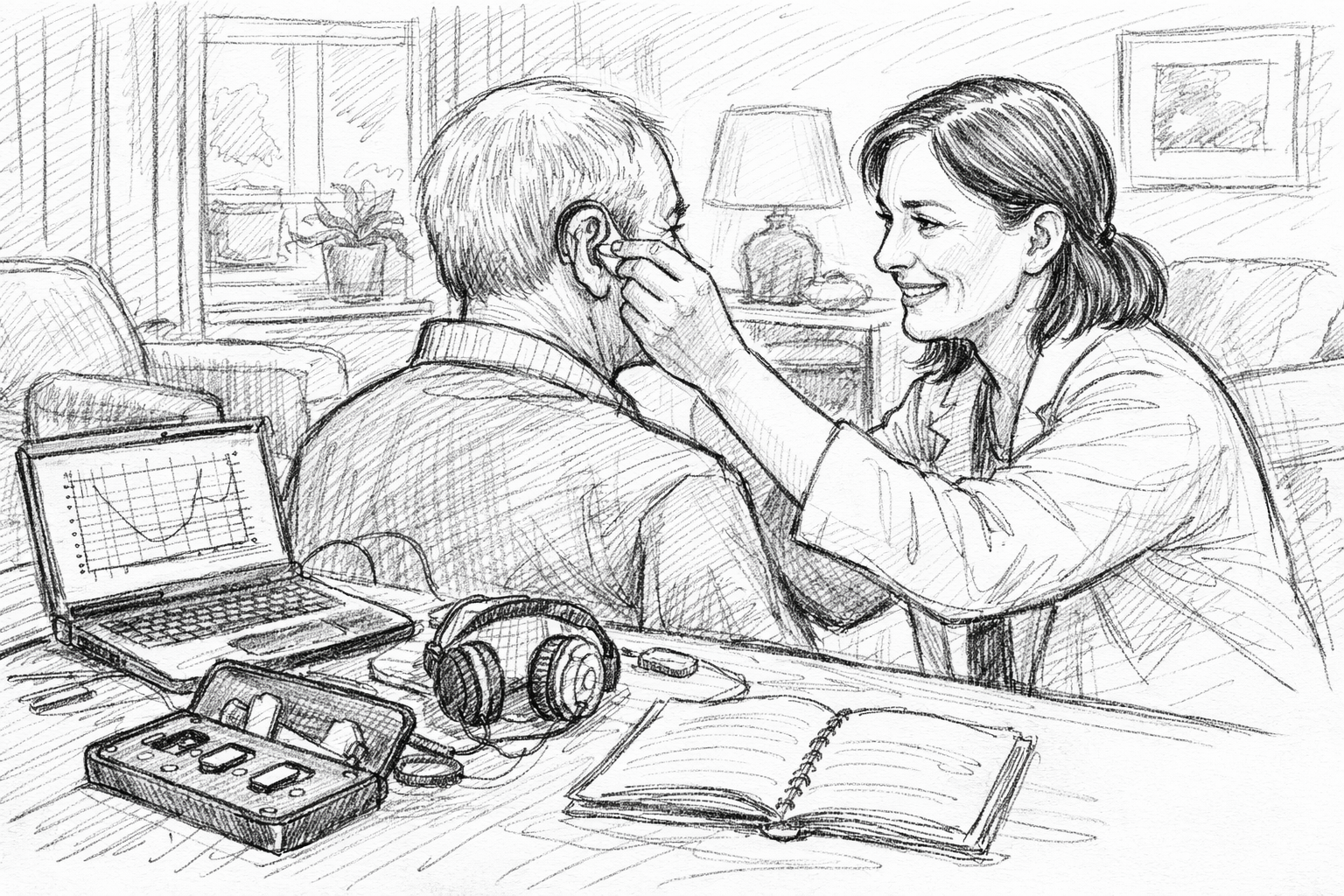
- Devices can be fitted and programmed in your own surroundings.
- Follow-up adjustments and aftercare support comfortable long-term use.
How this guide answers your question
Use these points to move from the concern you noticed to a sensible next step.
When Hearing Aids Whistle- What It Means & How to Fix ItIntroduction: That High-Pitched Sound You Can't Ignore
If you or a loved one wears a hearing aid, chances are you’ve heard it before a sharp, high-pitched whistle that can be annoying, embarrassing, and even painful. This sound, known as feedback, is one of the most common concerns among hearing aid users.
But why does this happen, and more importantly, what can you do about it?
In this ultimate guide from Hazelwood Hearcare, we’ll explain:
- What causes hearing aids to whistle
- How to fix or prevent it
- When to see a hearing care specialist
- How our team can help you enjoy clear, comfortable hearing again
What Is Hearing Aid Feedback?

Hearing aid feedback occurs when amplified sound from the device escapes the ear canal and re-enters the microphone, causing a loop of sound. The result is that familiar whistling or squealing noise.
It’s similar to what happens when a microphone is placed too close to a loudspeaker except it’s happening in your ear.
There are two main types of feedback:
- Acoustic Feedback: Most common, caused by sound leaking from your ear and cycling back into the device.
- Mechanical or Electronic Feedback: Related to internal components or wiring faults in the device.
Top Reasons Why Hearing Aids Whistle

Let’s explore the most frequent culprits behind that bothersome whistle:
1. Poor Fit or Loose Hearing Aid
If your hearing aid doesn’t sit snugly in your ear canal, sound can escape and re-enter the microphone. This is particularly common in:
- Weight loss or changes in ear shape over time
- Children outgrowing their earmolds
- Worn-out or poorly fitted custom ear molds
Solution:
Schedule a refit or ask Hazelwood Hearcare to customise your ear mold for a more secure fit.
2. Blockages from Earwax
Even a small amount of earwax can change how sound travels, leading to:
- Feedback from sound bouncing off the wax
- Blocked receivers causing sound to leak out
Solution:
Regular ear wax removal is essential. Hazelwood Hearcare offers safe, professional ear wax removal at your doorstep across the UK.
3. Device Volume Too High
Sometimes users turn up the volume too much to hear clearly. This extra amplification can cause:
- Sound to leak out of the ear
- Feedback loops from nearby surfaces or phones
Solution:
Let our specialists help reprogram your hearing aid for optimal settings suited to your hearing loss and environment.
4. Improper Insertion
If your hearing aid isn’t inserted fully or correctly, it creates gaps for sound to escape.
Solution:
Practice consistent, proper insertion and have Hazelwood’s audiologists demonstrate the right technique during your next visit.
5. Cracks or Damage in the Device
A small crack in the tubing, shell, or microphone area can cause feedback—even if the fit is correct.
Solution:
Bring your device in for a professional hearing aid check-up or servicing to catch wear and tear early.
6. Interference from Phones, Scarves, or Hats
Objects brushing against the microphone or creating echo-like surfaces can cause intermittent whistling.
Solution:
Try repositioning your phone or adjusting how you wear hats or scarves. Newer models also come with anti-feedback features—ask us about an upgrade.
Hazelwood’s Tips to Prevent Hearing Aid Whistling
We recommend the following best practices to avoid whistling altogether:
✅ Get Regular Hearing Aid Maintenance
Have your hearing aids cleaned, checked, and serviced every 6–12 months. At Hazelwood Hearcare, we offer at-home visits for your convenience.
✅ Clean Your Ears and Devices
Use proper tools to remove wax and moisture. Never insert cotton buds or unapproved objects. We provide safe, professional cleaning tools and ear care advice with every appointment.
✅ Turn Off Device Before Inserting
Insert your hearing aids while they are off or muted, then turn them on once they’re properly seated to avoid start-up feedback.
✅ Check for Earwax Buildup Monthly
Hazelwood offers microsuction and irrigation methods to safely remove wax without risking hearing aid damage.
✅ Use Feedback Cancellation Technology
Modern hearing aids come with built-in digital filters to eliminate feedback. If yours doesn’t, we can help you upgrade or reprogram to enable this feature.
When to Call Hazelwood Hearcare
Hearing aid feedback isn’t something you should live with. If the whistling:
- Happens frequently
- Is getting worse
- Affects your confidence or hearing clarity
- Is accompanied by discomfort or pressure
…it’s time to call in the experts.
We provide:
- At-home hearing aid fittings and servicing
- Custom ear mold solutions
- Ear wax removal with latest technology
- Hearing aid upgrades, programming, and repairs
Serving across Coventry, Leamington Spa, Kenilworth, and beyond.
Customer Story: Kelly Williams
""Wow! Absolutely amazing service. The gentlemen arrived at my home on time and was very polite, reassuring and professional. The treatment was quick, painless and so effective. I feel like my old self again, able to clearly and in comfort. Thank you so much. Highly recommend (Brierley Hill)"
— Kelly Williams
Professional Ear Wax Removal
- Microsuction or irrigation techniques
- No discomfort or damage to devices
- Available at your doorstep
Hearing Aid Repairs & Servicing
- Battery checks, tubing replacement, shell repairs
- Adjustments for feedback control
Free Hearing Test & Device Upgrade Consultation
- Modern digital hearing aids with noise suppression and anti-feedback features
- Tailored advice from local specialists
Common Questions About Whistling Hearing Aids
Q: Is hearing aid whistling normal?
A: Occasionally, yes. But if it’s frequent or disruptive, it likely needs attention.
Q: Will new hearing aids fix this issue?
A: Most modern hearing aids have feedback cancellation technology. Ask Hazelwood about upgrade options.
Q: Can I fix feedback at home?
A: Basic cleaning or reinserting the device can help, but persistent feedback should be checked by a professional.
Q: Is feedback damaging to hearing?
A: While not harmful, constant feedback can be irritating and interfere with communication and device use.
Conclusion: Clear Hearing Starts With Proper Care
A whistling hearing aid may seem minor—but it’s often a sign that something needs adjustment, cleaning, or repair. Don’t wait until it affects your quality of life.
Let Hazelwood Hearcare provide the trusted, professional help you need—right at your doorstep.
For appointment information rather than general guidance, see Explore private hearing aids. Check current postcode coverage before arranging a visit.
What shapes a suitable hearing-aid choice
The right option depends on more than device size. Hearing results, daily listening needs, handling and aftercare all contribute.
| Decision area | What to consider | How it helps |
|---|---|---|
| Hearing results | The pattern and degree of hearing change | Guides appropriate programming and technology |
| Daily listening | Conversation, television, telephone and background noise | Focuses the fitting on real situations |
| Comfort and handling | Fit, controls, charging and maintenance | Supports confident, consistent use |
Considering hearing aids at home?
Learn about assessment, fitting and ongoing support in your own surroundings.
Explore private hearing aids → Hearing Aids
 Hearing Aids
 Hearing Aids